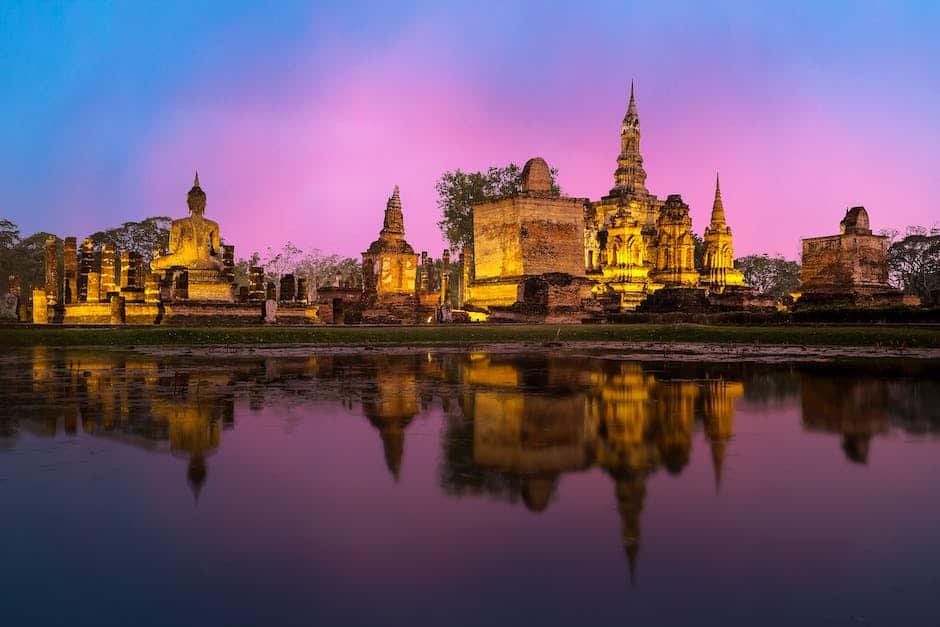
Bangkok, the capital city of Thailand, is known for its stunning temples and palaces that showcase the country’s unique architecture. Thailand is rich in history and culture, and this is reflected in its traditional architecture, which has been passed down from one generation to another. The beauty of the temples and palaces in Bangkok is just one of the things that makes it one of the most sought-after travel destinations in the world.
Thai architecture is a mix of various styles, from ancient designs that can be traced back to the prehistoric period, up to modern-day structures that incorporate Western influences. This diversity is what makes Thai architecture so unique and admired by all who see it. Visitors to Thailand can’t get enough of the intricate designs, sculptures, and ornate decorations found in its temples and palaces.
In this blog post, we will explore some of the most popular temples and palaces in Bangkok, and learn about their meaning and significance in Thai culture. We will take an in-depth look at some of the most famous sites, including Wat Phra Kaew (the Temple of the Emerald Buddha), the Grand Palace, and Wat Arun (the Temple of Dawn). We will also delve into the history behind the traditional wooden houses and the decorative arts that are an integral part of Thai architecture.
If you’re planning a trip to Thailand, this guide will be a handy companion for your visit to Bangkok’s stunning temples and palaces. Join us as we embark on this journey to discover the beauty and richness of Thai architecture!
The History of Thai Architecture: From Ancient to Modern Times
Thai architecture is a reflection of Thailand’s history and culture. It has a unique style that blends various influences, including Indian, Chinese, and Khmer architectural traditions. From ancient times to modern days, Thai architecture has evolved, adapting to the country’s changing needs and inspirations.
During the ancient times of Thailand, the architecture was significantly influenced by the Khmer Empire, which once held sway over large parts of the region. Khmer-style temples can still be seen today in Ayutthaya and Sukhothai, the old capital cities of Thailand. The most distinctive feature of ancient Thai architecture is the use of stucco for decoration and detailing.
With the arrival of the Ayutthaya Kingdom in the fourteenth century, Thai architecture evolved and became increasingly diverse. The kingdom’s capital city, Ayutthaya, was home to many impressive temples and palaces, featuring unique and intricate designs. These buildings were constructed with wood, as it was the most readily available material at the time. The most noteworthy examples of ancient Thai architecture are Wat Phra Si Sanphet, Wat Ratchaburana, and Wat Mahathat.
In the late nineteenth century, King Rama V initiated a renovation and modernization of the country’s architecture. He imported Western-style architecture to Thailand, which led to the emergence of a new style known as Rattanakosin, named after the new capital city. Rattanakosin-style buildings are characterized by the use of brick and stucco, combined with modern materials such as concrete and iron. This blend of traditional Thai elements and Western construction techniques gave rise to buildings that were both functional and aesthetically appealing.
With the arrival of the twentieth century, Thai architecture underwent further changes. The country’s urbanization and the rise of modernism inspired architects to experiment with new styles. The result was a blend of different styles, including Art Deco, International Style, and Brutalism. These new styles can be seen in buildings such as the Tuxedo Theater and Lido Cinema in Bangkok.
In conclusion, Thai architecture is a rich and diverse reflection of Thailand’s culture and history. From ancient Khmer temples to modernist skyscrapers, Thai architecture has evolved and adapted to changing times and inspirations. Today, the country’s architecture continues to evolve, embracing new materials, techniques, and styles, while still retaining its unique character and identity.
Visiting the Famous Temple of the Emerald Buddha in Bangkok
The Temple of the Emerald Buddha, also known as Wat Phra Kaew, is arguably the most famous temple in Bangkok. Located in the Grand Palace complex, it is a must-visit attraction for those interested in Thai architecture, history, and culture. Steeped in symbolism and significance, this temple is a true masterpiece of Thai art and architecture.
The temple was built in 1782 during the reign of King Rama I and is named after the sacred Emerald Buddha, a small, but revered statue of a seated Buddha. The statue is made of jade and is clothed in gold, and is considered to be the protector of Thailand and the symbol of the nation.
Upon entering the temple, visitors are immediately struck by the intricate details of the architecture. The temple is adorned with intricate carvings, murals, and golden decorations. The walls and ceilings are covered with colorful paintings portraying scenes from the life of Buddha and important tales from Thai history.
One of the most impressive features of the temple is the golden chedi, or stupa, which houses relics of the Buddha. Visitors can also see the royal pantheon, a small hall that houses statues of past Chakri monarchs. The complex also features several other remarkable buildings, including the Phra Si Rattana Chedi, which features a golden spire studded with precious stones.
Visitors are expected to dress appropriately when visiting the Temple of the Emerald Buddha. This means that both men and women should cover their shoulders and wear pants or long skirts that cover the knees. Shoes must be removed before entering the temple and hats and sunglasses should also be removed. Women are also expected to cover their heads.
Overall, a visit to the Temple of the Emerald Buddha is an unforgettable experience that shouldn’t be missed when visiting Bangkok. The intricate architecture, beautiful decorations, and rich history of the temple make it a true gem of Thai culture and an important symbol of the nation.
Exploring the Grand Palace, a Symbol of Thai Royalty and Power
The Grand Palace is one of the most iconic landmarks in Thailand, located in the heart of Bangkok. First constructed in 1782, it has served as the official residence of the kings of Thailand for over two centuries. The palace is a complex of buildings that showcases the neoclassical style blended with traditional Thai Architecture. The Grand Palace was built to impress foreign visitors with the power of the Chakri dynasty. Today, it is a popular tourist attraction and an essential stop on any trip to Bangkok.
The palace is divided into several sections, each of which gives travelers a different glimpse into Thai history, art, and culture. Visitors should take their time exploring every corner of the palace complex, including the Emerald Buddha Temple, the Queen Sirikit Museum of Textiles, and the Audience Hall of Amarin Winitchai.
One of the most spectacular architectural highlights of the Grand Palace is the Wat Phra Kaew, also known as the Temple of the Emerald Buddha. This building contains the most revered and highly-prized Buddha image in Thailand. The temple itself, with its intricate carvings, gold leaf accents, and shimmering mosaics is an architectural masterpiece that showcases Thai creativity and superior craftsmanship.
Another building of note is the Chakri Maha Prasat Hall, the only building on the palace grounds that exemplifies European neoclassical architecture with distinct Siamese-style roofline. Built-in 1876, it is the royal throne hall and the venue for state occasions. The Grand Palace compound is a fascinating blend of traditional Thai and European influences, making it a must-visit destination for travelers looking to explore the culture and heritage of Thailand.
The Grand Palace’s architecture reflects its rich history and the evolution of Thai architectural style and design since the late 18th century. Its walls and roofs are covered with intricate designs, colorful tiles, and traditional Thai motifs, making it a feast for the eyes. The palace also serves as a living museum of Thai craftsmanship, with many buildings and halls preserved in their original state.
Overall, the Grand Palace is a unique and fascinating location that tells the story of Thailand’s past and present. It is a symbol of Thai monarchy and a showcase for Thai architectural excellence, making it an attraction that tourists should not miss.
Traditional Thai Architecture: The Beauty of Wooden Houses and Decorative Arts
Traditional Thai architecture is a unique and stunning style that showcases the country’s rich cultural heritage. The heart of traditional Thai architecture is the use of wood, which has been an important building material in Thailand for centuries. Traditional Thai houses were built using teak wood, which is known for its durability. The intricate carvings and beautiful details in wooden houses demonstrate the skilled craftsmanship of Thai builders.
The wooden houses typically have steep roofs that curve up at the corners, which helps to protect the house from heavy rain and also increases air circulation. The shape of the roof is similar to that of a lotus bud, which adds to the beauty of the house. Thai culture places great importance on the lotus flower, as it is considered to be a symbol of purity and enlightenment.
Another notable feature of traditional Thai architecture is the use of vibrant colors that are applied to the intricate ornaments and carvings. The colors used in traditional Thai architecture are drawn from nature and include shades of red, gold, green, and blue. These colors are inspired by flowers, fruits, and other natural elements found in Thailand.
Decorative arts, such as lacquerware, weaving, and carving, are an integral part of traditional Thai architecture. The decorative arts showcase the skill and creativity of Thai artisans. Lacquerware, for example, is a unique art form that involves coating objects with a thick layer of resin made from the sap of the lacquer tree. Once the resin is dry, it is carved, painted, and decorated to create a beautiful work of art.
Weaving is another important decorative art in Thailand that is used to create intricate patterns and designs on textiles. The silk and cotton fabrics are woven together to create stunning pieces of cloth that are used in traditional Thai clothing and home décor. Carving is also an important decorative art, with Thai artists creating intricate designs on wood, stone, and ivory.
Overall, traditional Thai architecture is a remarkable blend of beauty and functionality, showcasing the rich cultural heritage of the country. The intricate wooden houses, vibrant colors, and stunning decorative arts create a unique and unforgettable experience for visitors to Thailand.
Discovering the Unique Style of Wat Arun, the Temple of Dawn by the Chao Phraya River
Wat Arun, also known as the Temple of Dawn, is one of the most recognizable landmarks in Thailand. Located on the bank of the Chao Phraya River, it is a stunning example of traditional Thai architecture. The temple’s unique style and intricate details make it a must-see for anyone visiting Bangkok.
Wat Arun’s design is influenced by both Hindu and Buddhist traditions. It is covered in colorful glass and Chinese porcelain, creating a shimmering effect when the sun reflects off the temple. The central prang, or tower, is over 70 meters tall and is surrounded by four smaller prangs adorned with intricate carvings.
To reach the top of the central prang, visitors must climb a steep staircase of over 80 steps. While this can be a challenge, the view from the top is breathtaking, offering a panoramic view of the surrounding river and cityscape.
Another unique feature of Wat Arun is its use of asymmetry in its design. Unlike most other temples, Wat Arun’s four smaller prangs are not identical in size or shape. This was a deliberate decision made by the temple’s designers to create a sense of balance in the overall design.
Visitors to Wat Arun can explore the temple grounds and see many other stunning architectural features, including a statue of the god Indra on his three-headed elephant and an impressive collection of murals depicting scenes from Buddhist mythology.
As one of Bangkok’s most beloved landmarks, Wat Arun is a testament to the rich history and unique architecture of Thailand. Its stunning design and beautiful location make it a must-visit destination for anyone interested in exploring the country’s cultural heritage.
Beyond Bangkok: The Most Impressive Temples and Palaces in Thailand
While Bangkok is undoubtedly home to some of Thailand’s most awe-inspiring temples and palaces, there are many other equally impressive sites to explore beyond the capital city. Some of the most notable include:
Wat Rong Khun – Located in Chiang Rai, this stunning all-white temple is unlike any other in Thailand. Its intricate decoration, including pieces of glass inlaid in the walls, creates an otherworldly atmosphere.
Doi Suthep – Perched on a mountaintop overlooking Chiang Mai, Doi Suthep is a must-visit for anyone exploring northern Thailand. The temple’s golden chedi and expansive views make it a true highlight.
The Grand Palace in Ayutthaya – The ancient city of Ayutthaya was once the capital of Thailand, and the impressive ruins of the Grand Palace give a glimpse into its former grandeur. Stone sculptures, towering pagodas, and intricately carved facades are sure to impress any history or architecture buff.
Phanom Rung Historical Park – This complex of Khmer temples and palaces in Buriram Province, near the Cambodian border, is one of Thailand’s most impressive archaeological sites. Ornate carvings and impressive stonework make it well worth the journey.
Phra Borommathat Chedi – This massive golden chedi, located in Nakhon Si Thammarat, is one of the most impressive religious structures in southern Thailand. It dates back more than 1300 years and is said to contain important Buddhist relics.
These are just a few of the many impressive temples and palaces that can be found throughout Thailand. Exploring these sites gives a glimpse into the country’s rich history and unique cultural heritage.
Conclusion
Exploring Bangkok’s temples and palaces is a fascinating journey into the rich history and culture of Thailand. From the ancient ruins of Ayutthaya to the modern architecture of the city, Thailand offers a unique blend of tradition and modernity. The stunning architecture of Thailand’s temples and palaces showcases the artistic skills of the Thai people and their dedication to the Buddhist faith.
Each of the temples and palaces mentioned in this post has its distinct style and character, reflecting the different periods and influences in Thai history. The Temple of the Emerald Buddha, the Grand Palace, and Wat Arun are some of the most famous and impressive landmarks in Bangkok, attracting millions of visitors each year.
However, beyond Bangkok, there are many other impressive temples and palaces in Thailand, each with its story and beauty. Some of the must-see places include the ancient city of Sukhothai, the historic city of Chiang Mai, and the amazing temples of Angkor Wat in Cambodia.
Overall, exploring Thailand’s temples and palaces is a fascinating and rewarding experience, offering visitors a glimpse into the country’s rich heritage and cultural traditions. Whether you are a history buff or an architecture enthusiast, Thailand’s temples and palaces offer a unique and unforgettable experience that should be on every traveler’s bucket list.


