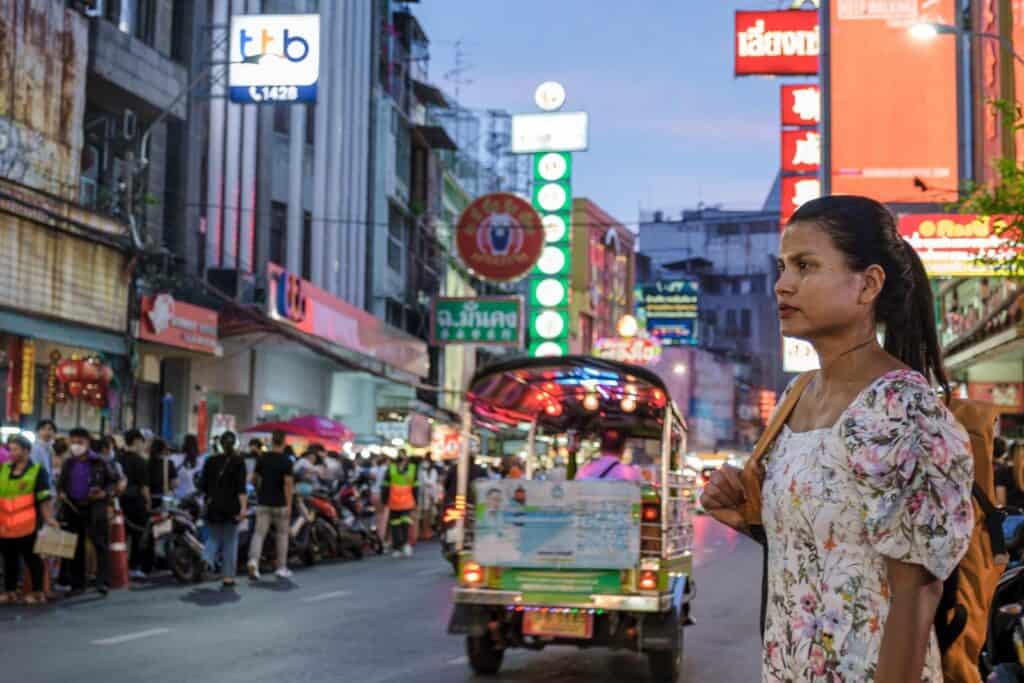
Looking to take a trip to Bangkok but unsure of how much it will cost? You’re not alone. Many people are intimidated by the idea of budgeting for a visit to a foreign country, especially one as vibrant and bustling as Bangkok. However, with a little bit of research and planning, you can make the most of your trip without breaking the bank.
In this post, we’ll break down the various costs associated with a visit to Bangkok, including everything from accommodation and transportation to food, attractions, and hidden expenses. By the end, you’ll have a better understanding of what to expect in terms of pricing and will be able to budget your trip accordingly.
Visiting Bangkok can be as affordable or as luxurious as you make it. From budget hostels to five-star hotels, the city offers a range of accommodation options to suit different needs and budgets. Similarly, when it comes to dining, you can choose to indulge in high-end restaurants or stick to affordable street food. The choice is yours.
The same goes for transportation. Bangkok has a range of options, from public buses and trains to taxis and tuk-tuks, all at varying price points. Understanding the best way to get around can save you big in the long run.
Ultimately, the cost of your trip will depend on a range of factors, including the time of year you visit, the activities you want to do, where you stay, and how you choose to get around. By breaking down each of these factors and providing insights into pricing, we hope to make budgeting for your Bangkok trip as simple and stress-free as possible.
Planning Your Trip: Budgeting for a Visit to Bangkok
Bangkok is one of the most popular tourist destinations in Southeast Asia, offering visitors a unique mix of ancient temples, modern shopping malls, and delicious street food. A trip to this bustling metropolis is a dream come true for many but can turn into a logistical and financial nightmare if not planned carefully.
The first step in planning your trip to Bangkok is to create a budget. This step is crucial to ensure that you don’t overspend and also avoid the unpleasant experience of running out of money halfway through your trip. Your budget will determine how long you can stay, where you can stay, the food you eat, and the activities you can do.
One of the main factors that will influence your budget is the time of year you plan to visit. If you visit Bangkok during the peak tourist season, which is from November to February, expect to pay higher prices for flights, accommodation, and tourist attractions. If you want to save money, consider visiting during the low season, which is from March to October.
Another crucial factor to consider is your accommodation, which can take a significant chunk of your budget. Bangkok offers a range of accommodation options, from budget-friendly hostels to luxurious hotels. If you’re on a tight budget, consider staying in a hostel or a guesthouse, which also offers a unique local experience.
Transportation is another expense to factor in when planning your trip to Bangkok. The best way to get around the city is by using the BTS Skytrain, MRT subway, or the iconic tuk-tuks, which are synonymous with Bangkok. Taxis are also available but expect to pay more during peak hours.
Food is one of the highlights of a trip to Bangkok, with a range of street food options available at affordable prices. While there are also high-end restaurants, eating like a local will save you a significant amount of money. A golden rule to remember is “the busier the food stall, the better the food.”
Finally, don’t forget to set aside some money for unforeseen expenses such as tips, taxes, and other hidden costs. It’s always better to be over-prepared than under-prepared.
In conclusion, planning your trip to Bangkok requires careful budgeting to ensure an enjoyable experience without breaking the bank. With the right budget and a bit of research, you can have a magical time in this vibrant city.
The Cost of Accommodation in Bangkok: Budget Options vs. Luxury Stays
Bangkok, as the capital city of Thailand, has a vast range of accommodation options for all budgets. Whether you’re a backpacker looking for hostels or a luxury traveler seeking high-end hotels, you’ll find plenty of options here.
If you’re traveling on a budget, Bangkok has plenty of affordable accommodation choices, including backpacker hostels, guesthouses, and budget hotels. Hostels are a popular choice for budget travelers as they offer dormitory-style accommodation with shared facilities. A bed in a hostel dorm can cost as little as $5-10 per night. Guesthouses and budget hotels usually offer private rooms with basic amenities such as air conditioning, hot water, and Wi-Fi for around $20-40 per night.
If comfort and luxury are your priorities, then Bangkok doesn’t disappoint either. The city has an impressive range of high-end hotels to choose from with top-notch amenities such as rooftop pools, spas, and fine-dining restaurants. Prices for luxury hotels vary depending on the location and facilities. The cost of a five-star hotel room in the city center can range from $100-300 per night. However, it’s worth noting that prices can be inflated during peak tourist season (November to February).
Another popular accommodation option in Bangkok is Airbnb. The city has many Airbnb apartments and condos that can be rented for a short-term stay. This can be a budget-friendly option for families or friends traveling together as they can split the cost of a larger apartment or home. An average cost of an Airbnb apartment in Bangkok is around $50-80 per night, depending on the location and the size of the apartment.
It’s essential to research and compare prices before booking your accommodation. Prices can vary significantly depending on the location, amenities, and season. Booking in advance can also help you to save money on accommodation costs and secure your preferred choice of lodging.
In conclusion, whether you’re looking for budget or luxury accommodation, Bangkok has plenty of options for all types of travelers. With careful planning and research, you can find comfortable and affordable accommodation in one of the most vibrant and exciting cities in the world.
Getting Around Bangkok: Transportation Costs for Your Trip
Bangkok is a vast city with numerous transportation options available, each with its own cost and convenience. Taxis are one of the most popular choices, offering a comfortable and air-conditioned ride, but can be expensive during peak hours or with heavy traffic. However, taxis are still a good option for traveling longer distances or at night when other modes of transport may not be as readily available.
Another popular option is the Bangkok Mass Transit System, commonly known as the BTS Skytrain. The BTS is an elevated train system comprising two lines covering many of the main areas of the city. While not as fast as taxis, the BTS is often quicker during rush hour and offers a bird’s eye view of Bangkok. Fares for the BTS start at around 15 baht, depending on the distance traveled and the destination.
The MRT Subway is the other train option in Bangkok, and it is popular for being affordable and efficient. The subway system is most useful for commuting between the central business district and other parts of Bangkok. Fares for the MRT start at around 16 baht, making it an inexpensive way to get around the city while avoiding traffic.
Tuk-tuks and motorcycle taxis are also transportation options, popular with tourists for their novelty factor. While tuk-tuks and motorcycle taxis are relatively cheap, they can also be hazardous and may not be covered by insurance. Nevertheless, these options are still a popular way to get around the city, particularly for short distances or to experience the local flavor.
Finally, for longer journeys or if you prefer to have your own transportation, renting a car is an option. Bangkok is home to several international car rental companies, such as Avis, Hertz, and Budget. However, be prepared for heavy traffic, and make sure to carry your international driver’s license.
Ultimately, the cost of transportation in Bangkok will depend on your choice of transport, distance traveled, and traffic conditions. It’s best to plan ahead, taking into account where you want to go and the options available to you. Doing this will help you get around the city efficiently and at the lowest possible cost.
Exploring Bangkok’s Tourist Attractions: Ticket Prices and Entry Fees
Bangkok is a vibrant city full of history and culture with plenty of things to see and experience. When budgeting for a trip to Bangkok, it’s important to consider the cost of visiting the city’s many tourist attractions. While some attractions are free, others require an entrance fee or ticket purchase.
One of the most famous tourist attractions in Bangkok is the Grand Palace, which is a must-visit for anyone traveling to the city. While there are a few areas within the palace that are free to visit, such as the Temple of the Emerald Buddha, entrance to the Grand Palace itself requires a ticket purchase. As of 2021, the cost of a ticket is 500 Baht (approximately $16 USD).
Another popular attraction is the Wat Arun temple, known for its stunning architecture and unique design. Visitors can climb to the top of the temple for an incredible view of the city. The entrance fee for Wat Arun is 50 Baht (approximately $1.60 USD).
If you’re interested in learning more about Thai culture, a visit to the Jim Thompson House is a must. This beautiful complex is a museum showcasing Thai silk and traditional Thai architecture. The entrance fee is 200 Baht (approximately $6.40 USD).
If you’re traveling with children, a visit to Siam Ocean World, one of the largest aquariums in Southeast Asia, is a great option. The entrance fee is 990 Baht for adults (approximately $32 USD) and 790 Baht for children (approximately $25 USD).
Other popular tourist attractions in Bangkok include the Chatuchak Weekend Market, the Floating Market, and the Bangkok National Museum. It’s important to budget for entrance fees and ticket purchases when planning your trip to Bangkok so that you can fully enjoy all that the city has to offer.
Dining in Bangkok: Affordable Street Food or High-End Restaurants?
When it comes to dining in Bangkok, there is no shortage of options for every budget and taste. One of the most beloved aspects of Bangkok’s culinary scene is its affordable street food. From the famous pad Thai to the spicy som tam salad, you can find a variety of delicious dishes at street food stalls all over the city. These dishes typically cost around ฿40-฿100 ($1.30-$3.30 USD) per meal, making them the perfect choice for budget-conscious travelers.
However, if you’re looking for a upscale culinary experience, Bangkok has plenty of high-end restaurants to choose from as well. The city is home to numerous Michelin-starred restaurants, such as Gaggan and Le Du, which offer international and fusion cuisine at a premium price. Expect to pay around ฿2,500-฿3,500 ($83-$116 USD) per person, not including drinks or additional courses.
If you want to try local Thai food at a fancier restaurant, there are also many elegant Thai restaurants in Bangkok. These restaurants can provide you with a fine-dining experience with authentic Thai dishes such as gaeng kiew wan (green curry) or tom yum goong (spicy shrimp soup). Typically these establishments charge around ฿1,800-฿2,500 ($59-$83 USD) per person for a full meal.
One thing to keep in mind is that many restaurants in Bangkok charge an additional 10% service charge and 7% VAT on your meal. This isn’t always included in the menu price, so be sure to double-check your bill before leaving. Drinking water is typically provided for free, but if you want to add alcohol to your meal, expect to pay a similar price to Western countries (roughly ฿150-฿250 or $5-$8 USD for a beer).
Don’t be afraid to venture outside of your comfort zone when it comes to dining in Bangkok. Some of the best food in the city can be found in the most unexpected places. Whether you’re enjoying a bowl of noodles from a street vendor or indulging in a high-end meal at a fine dining establishment, Bangkok is sure to provide a memorable culinary experience.
Hidden Expenses to Consider: Tips, Taxes, and Extras You May Not Expect.
When planning a trip to Bangkok, it’s important to factor in hidden expenses that may catch you off guard. One of these expenses is tipping. It’s customary to tip 10% to 15% in restaurants and for services such as haircuts and massages. Make sure to carry small bills for tipping, as larger bills may not be accepted.
Another expense to keep in mind is taxes. Most tourist attractions, such as museums and temples, have an admission fee that includes taxes. However, some hotels and restaurants may not include taxes in their advertised prices, so be sure to clarify before making a purchase. In Thailand, the value-added tax (VAT) is 7%, and some establishments may also charge a service charge of 10%.
Transportation can also come with unexpected costs. Taxis and tuk-tuks may seem like a cheap option, but they can add up quickly. Be wary of drivers who refuse to use the meter and negotiate a price before getting in. For a more budget-friendly option, try the BTS Skytrain or MRT subway system. These are air-conditioned and efficient, with fares ranging from 15-52 baht, depending on the distance travelled.
If you plan on shopping in Bangkok, be prepared for the possibility of getting hit with an extra baggage fee at the airport. Thailand’s budget airlines often charge for checked baggage, and the fees can be steep if you’re not careful. Check the airline’s baggage policy before purchasing your ticket, and consider packing light or purchasing extra baggage ahead of time if needed.
Finally, keep in mind that extras can add up quickly. For example, if you plan on visiting a temple, you may be required to rent a sarong or pay for a locker to store your shoes. Some activities, such as elephant riding or cooking classes, may also come with additional fees. Plan ahead and research the costs of these extras to avoid any surprises.
Overall, it’s best to budget for these hidden expenses ahead of time to avoid any stress or financial strain during your trip. Keep track of your spending and be mindful of the costs of extras, and you’ll be able to enjoy all that Bangkok has to offer without breaking the bank.
Conclusion
Visiting Bangkok can be an exciting experience, but it can also be overwhelming when it comes to budgeting and expenses. By following the tips and insights provided in this article, you can plan your Bangkok trip with greater clarity and make informed decisions about where to spend your money.
From budgeting for your trip and finding affordable accommodation to navigating transportation options and exploring tourist attractions, there are many factors to consider when planning your Bangkok adventure. These decisions will ultimately impact your overall cost, so it’s crucial to plan ahead and do your research.
When it comes to dining in Bangkok, there are plenty of affordable street food options that allow you to try local cuisine without breaking the bank. However, if you’re looking for a more high-end dining experience, there are also plenty of options available.
It’s also important to keep in mind any hidden expenses that may come up, such as tips, taxes, and extra fees for activities or services. By adding these potential expenses into your budget ahead of time, you can ensure that you’re prepared for any unexpected costs and won’t be caught off guard.
Overall, with careful planning and consideration, it’s possible to visit Bangkok on a budget and still have an enjoyable, culturally rich experience. So start planning your trip today and get ready to explore all that this vibrant city has to offer!


