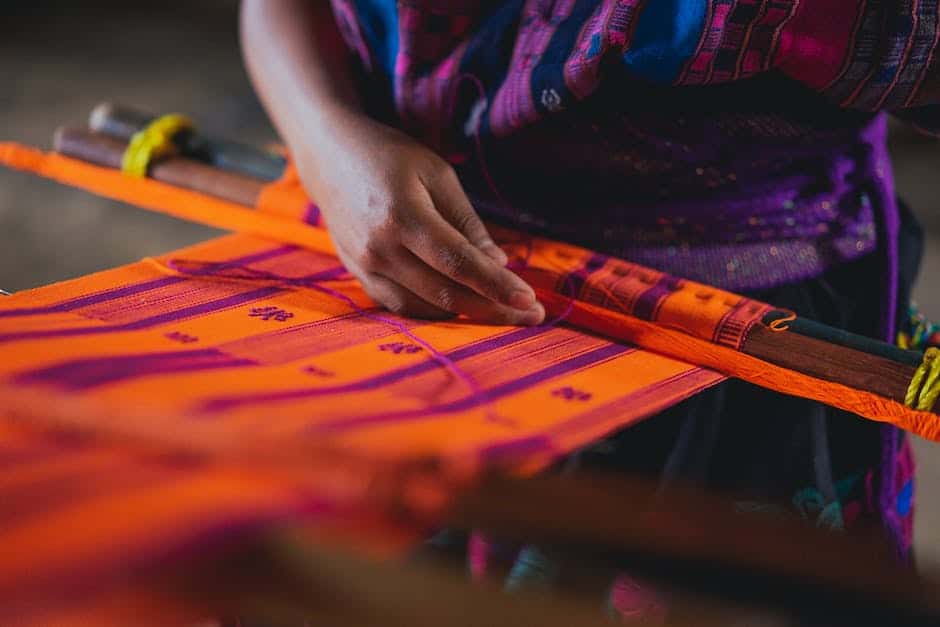
Located in southern Mexico, the state of Oaxaca is home to a rich and vibrant textile tradition that dates back centuries. From the intricate designs of Zapotec rug weaving to the ancient techniques of backstrap weaving, Oaxacan textiles are celebrated for their beauty and cultural significance.
Throughout history, textiles have played a critical role in Oaxacan society. They have been used for both practical and ceremonial purposes, and the art of weaving has been passed down from generation to generation. Today, Oaxacan textiles are a cornerstone of the local economy, with many communities relying on the production and sale of textiles to support themselves.
One of the most fascinating aspects of Oaxacan textile traditions is their use of natural dyes. For centuries, weavers have used plants, fruits, and other natural substances to create vibrant dyes in a range of colors. These natural dyes not only produce stunning results but also have a much lower environmental impact than synthetic dyes.
In this blog post, we’ll take a closer look at some of the key elements of Oaxacan textile traditions. We’ll explore the history of textile art in Oaxaca, meet some of the master weavers who keep these traditions alive, and gain insight into the techniques and materials used in Oaxacan textile production.
Whether you’re a textile enthusiast or simply intrigued by the rich cultural heritage of southern Mexico, you’re sure to discover something new and fascinating about Oaxaca’s textile traditions.
The History of Textile Art in Oaxaca
Oaxaca is known for its rich cultural heritage, and one of the most prominent aspects of this heritage is its textile art. For centuries, the indigenous people of Oaxaca have been creating beautiful textiles using traditional techniques and natural materials.
The history of textile art in Oaxaca can be traced back to pre-Columbian times. Archaeological evidence suggests that the people of the Oaxaca Valley were producing textiles as early as 1500 BCE. By the time of the Spanish conquest in the early 16th century, textile production had become a major industry in the region.
Under Spanish rule, Oaxacan textiles began to incorporate new materials and techniques, such as silk and embroidery. However, the indigenous people of the region continued to preserve their traditional weaving techniques and designs, passing them down from generation to generation.
One of the most famous types of Oaxacan textiles is the Zapotec rug. Zapotec rug weaving has been a part of Oaxacan culture for over 2000 years and is still practiced today. The intricate patterns and designs of Zapotec rugs reflect the rich cultural heritage of the people who make them.
Another well-known form of Oaxacan textile art is backstrap weaving. This technique involves weaving on a simple loom that is tied around the weaver’s waist using a belt. Backstrap weaving is used to create a wide variety of textiles, from belts and bags to shawls and ponchos.
Throughout the centuries, Oaxacan textile art has continued to evolve and adapt to changing cultural and social conditions. Today, Oaxacan weavers and textile artists continue to produce beautiful and intricate textiles using traditional techniques and materials, while also incorporating new ideas and modern designs.
From pre-Columbian times to the present day, the history of textile art in Oaxaca is a testament to the creativity, ingenuity, and resilience of the indigenous people of the region. The beauty and craftsmanship of Oaxacan textiles continue to inspire and captivate people around the world.
Meet the Master Weavers of Oaxaca
Oaxaca is home to master weavers that have been practicing this craft for generations. These artisans are renowned for their remarkable skill in weaving textiles that showcase intricate designs and stunning color combinations. Many of these weavers belong to indigenous communities that have been weaving for centuries, using a combination of pre-Hispanic and colonial techniques. Today, these talented master weavers continue to pass on their knowledge to their children, ensuring that the craft remains alive for generations to come.
The weavers of Oaxaca are known for producing a range of textiles, including rugs, shawls, blouses, and traditional dresses. Each textile has its own unique design and symbolism, reflecting the culture and history of the community that creates it. Some of the designs are so complex that they can take months to complete, with weavers carefully creating each individual stitch by hand. Despite the hard work and long hours that go into creating these textiles, it is a labor of love for these talented artisans.
The process of weaving in Oaxaca often begins with the wool itself. Many weavers raise their own sheep and goats, shearing the wool and treating it with natural dyes to create the vibrant colors that are characteristic of Oaxacan textiles. Once the wool is ready, it is carefully spun into yarn before being woven on a backstrap loom. This technique can be traced back to pre-Hispanic times and remains a popular method of weaving among Oaxacan artisans today.
Once the textile is complete, it is often finished with intricate embroidery or other embellishments. This adds another layer of complexity to the textile and showcases the skill and creativity of the weaver. In addition to traditional textiles, many Oaxacan weavers are also experimenting with new techniques and designs, blending tradition with innovation to create stunning new works of art.
If you’re interested in learning more about the weavers of Oaxaca, there are a number of markets and workshops throughout the region where you can see the weavers at work and purchase their textiles. These markets are a great way to support local artisans and gain a deeper appreciation for the rich textile traditions of Oaxaca.
Overall, the master weavers of Oaxaca are a testament to the enduring power of traditional crafts. Their ability to create stunning textiles by hand is a true marvel, and their dedication to preserving the craft for future generations is truly inspiring.
The Art of Zapotec Rug Weaving
Oaxaca is internationally renowned for its textile traditions and one of its most famous forms of weaving is the Zapotec rug. This ancient art form has been passed down through generations and remains an important part of the region’s cultural identity.
The Zapotec people are indigenous to the Central Valley of Oaxaca, where they have been weaving textiles for over 2,000 years. Their textiles are made using a combination of cotton and wool, and are often decorated with intricate geometric patterns and symbols that hold deep cultural significance.
The traditional process of Zapotec rug weaving is incredibly intricate and time-consuming. It starts with the collection and preparation of the materials, which can include cleaning, carding, and spinning wool fibers by hand.
The next step is the actual weaving process, which is done on a large horizontal loom. The weaver carefully threads the wool and cotton fibers together to create the base of the rug, and then begins the process of adding the colorful patterns and designs.
One of the unique aspects of Zapotec rug weaving is the use of natural dyes to achieve vibrant and long-lasting colors. Many of the dyes used are derived from plants, such as indigo and cochineal, while others come from shells, roots, and even insects.
Zapotec rugs come in various sizes, from small tapestry-like pieces to large and intricate floor coverings. Each rug is a unique work of art that reflects the weaver’s creativity and cultural heritage.
Today, Zapotec rug weaving continues to thrive in Oaxaca, with many master weavers passing down their knowledge and skills to younger generations. Visitors to the region can experience this incredible art form firsthand by visiting local workshops and markets, where they can purchase one-of-a-kind rugs and other textiles.
The Ancient Techniques of Backstrap Weaving
Backstrap weaving is an ancient technique that is still widely used in Oaxaca. It is a type of weaving in which the loom is tied to the weaver’s body, using a strap that goes around their back. This helps to keep the tension consistent, allowing for precise weaving.
Backstrap weaving was developed in Mesoamerica over 2000 years ago, and was used by the Maya, Aztec and Inca cultures. This technique requires only a few simple tools, such as a loom and a shuttle, making it highly portable and adaptable to various settings.
Backstrap weaving is typically used to make textiles such as belts, sashes, and other narrow pieces. The weaver can incorporate various patterns and designs into the piece using different colors and types of thread. The motifs used often have cultural, religious or spiritual significance and are passed down from one generation to the next.
The process of backstrap weaving is a slow and meticulous one, often taking many hours or even days to complete a single piece. The weaver must pay close attention to the tension of the warp and weft threads in order to ensure that the finished product is strong and even.
Backstrap weaving is not just a practical craft, but also a form of artistic expression. The weaver can incorporate their own personal flair and unique style into each piece. This individual touch is what makes each piece truly one-of-a-kind and valuable.
Today, backstrap weaving remains an important part of Oaxacan culture and tradition. The skill and dedication required to create these beautiful textiles is passed down from generation to generation, ensuring that this ancient technique will continue to be practiced for many years to come.
Creating Textiles with Natural Dyes
The use of natural dyes is an ancient technique that has been used by Indigenous communities in Oaxaca for centuries. Before the Spanish arrived in the 16th century, the Zapotecs and Mixtecs were already experts in the art of dyeing fabrics with natural pigments. The process involves extracting color from plants, insects, and minerals, which are then used to dye fibers like cotton, wool, and silk.
Each community in Oaxaca has its own traditional natural dyeing techniques. In Santa Ana del Valle, for example, they use the nopal cactus to produce a bright red color, while in Teotitlán del Valle, the purple color is obtained from the purpura pansa mollusk. The use of natural dyes not only preserves ancestral techniques but also supports sustainable practices in the textile industry.
The process of natural dyeing is complex and time-consuming. First, the fiber must be washed and cleaned to remove any natural oils or impurities. Then, it is soaked in a mordant solution, which helps the dye adhere to the fibers. After this, the fibers can be immersed in the natural dye solution and boiled for several hours to ensure the colors are absorbed evenly.
One of the challenges of natural dyeing is that the colors can vary depending on the weather conditions and the availability of certain plants or insects. This makes each piece of textile unique and adds to its value. The use of natural dyes also offers health benefits since they don’t contain toxic chemicals that can be harmful to the environment and the people working in the industry.
In recent years, there has been a growing interest in natural dyes and sustainable practices in the textile industry. Many artisans in Oaxaca have started to offer workshops and classes to share their knowledge and techniques with visitors and younger generations. This ensures that traditional practices are not lost and that the textile industry can continue to thrive in a sustainable way.
Modern Adaptations of Oaxacan Textile Traditions
Oaxaca’s rich textile traditions have experienced a resurgence in modern times, inspiring contemporary artists to put their spin on traditional techniques.
Some skilled artisans have adapted these techniques to create new, innovative pieces, blending their cultural heritage with contemporary designs to create beautiful, functional works of art.
One such artist is Porfirio Gutiérrez, who has gained international recognition for his weaving and dyeing techniques. He creates striking pieces that evoke the beauty and history of his Zapotec ancestry, while also incorporating modern designs.
Another artist, Francisco Toledo, has had a significant impact on the modernization of Oaxacan textiles. He founded the Instituto de Artes Gráficas de Oaxaca, which provides education and resources to local artists looking to carry on the region’s traditions.
Contemporary designers have also been incorporating Oaxacan textiles into modern fashion, bridging the gap between ancient techniques and contemporary design. From colorful embroidered blouses to intricately woven handbags, these modern adaptations showcase the beauty and versatility of Oaxacan textiles.
It’s not just locals who are embracing these textiles, as they have become increasingly popular with tourists visiting Oaxaca. With a growing demand for ethical and sustainable fashion, Oaxacan textiles are the perfect fit. Supporting local artisans not only helps preserve centuries-old traditions, but it also directly supports the local economy.
As the world continues to prioritize sustainable and ethical fashion, Oaxacan textiles will undoubtedly continue to grow in popularity. These modern adaptations of ancient techniques bring new life to the region’s rich textile traditions and ensure that they will continue to be appreciated by generations to come.
Conclusion
Exploring Oaxaca’s rich textile traditions has given us a deep appreciation for the artistry and skill that goes into creating these beautiful, intricate works. From the ancient techniques of backstrap weaving to the modern adaptations of traditional designs, Oaxacan textiles have evolved and thrived over centuries, becoming a powerful symbol of the region’s cultural identity.
Meeting the master weavers of Oaxaca and learning about their dedication to preserving traditional methods and using natural materials was truly inspiring. Their passion for their craft is evident in the exquisite designs and quality of the products they create.
Creating textiles with natural dyes and the art of Zapotec rug weaving are just a couple of examples of the incredible variety of techniques employed in the region. Each style reflects the unique history, culture and environment of the communities in which they are practiced.
We hope this journey through Oaxaca’s textile traditions has been as enriching for you as it has been for us. By supporting these skilled artisans and their businesses, we can play a small but vital role in keeping these traditions alive for generations to come.
So the next time you see a brilliant, colorful Oaxacan textile, remember the centuries-long history and artistry that went into creating it, and the vibrant culture and traditions that continue to thrive in this special region of Mexico.


