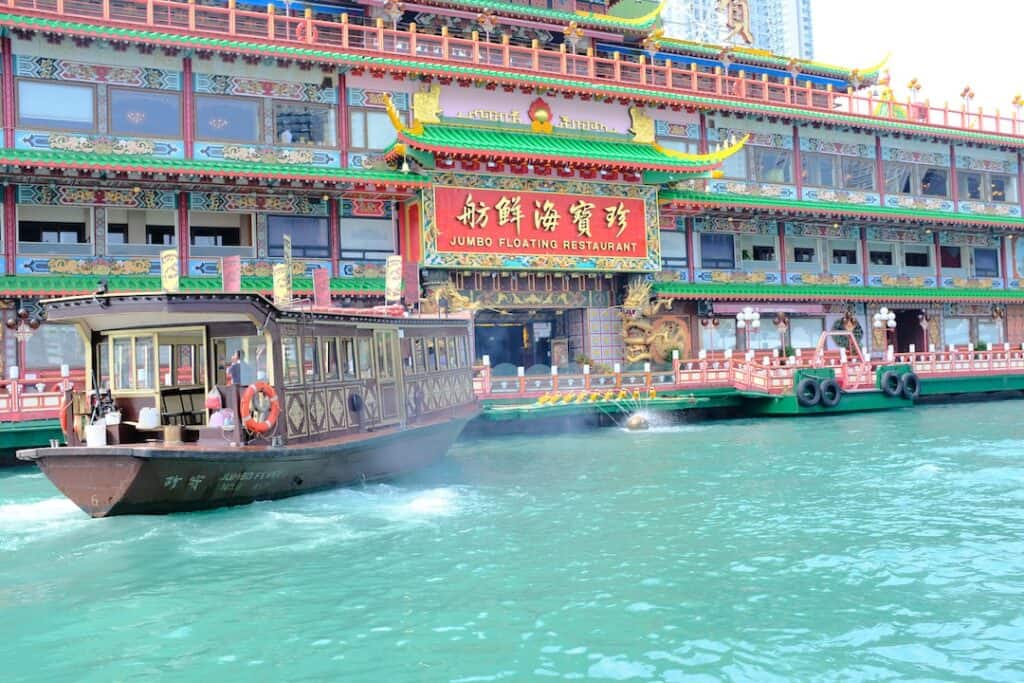
If you’re traveling to Hong Kong, one culinary experience you don’t want to miss is indulging in a dim sum feast. It’s a beloved tradition in Cantonese cuisine that has been around for centuries, and Hong Kong boasts some of the best dim sum restaurants in the world. From traditional teahouses to high-end dining establishments, Hong Kong has something to offer everyone’s taste buds.
The origins of dim sum can be traced back to ancient Silk Road travelers who would stop at tea houses along their journeys to rest and refuel. The small dishes served alongside tea gradually evolved into the art of dim sum, and it became a significant part of Cantonese culture. Today, dim sum has become a ubiquitous eating experience, with people from all over the world flocking to Hong Kong to taste its cuisine.
In this complete guide to Hong Kong’s best dim sum restaurants, we’ll explore traditional teahouses that serve classic dim sum dishes, alongside modern fusion restaurants that have added their twists to this delicious cuisine. We’ll also dive into hidden gems of Hong Kong’s street food scene. We’ll give you insider tips to make the most of your dim sum experience and help you navigate your way through the dizzying array of options that Hong Kong has to offer.
Get ready to indulge yourself in a culinary adventure that will leave your taste buds wanting more. From timeless classics to modern twists, we present you with the ultimate guide to Hong Kong’s best dim sum restaurants.
Modern Twists on Dim Sum: Popular Fusion Restaurants and Must-Try Dishes
While traditional dim sum may be the go-to for many, Hong Kong has seen a rise in fusion dim sum restaurants that incorporate global flavors and techniques. These innovative restaurants offer a unique take on classic dishes that attract a younger crowd and adventurous foodies.
One such restaurant is Little Bao, famous for their pork belly bao with hoisin ketchup and scallion coleslaw. The upscale restaurant serves a selection of baos, including mushroom and truffle, Szechuan fried chicken, and slow-cooked beef cheek, all with their signature soft, pillowy buns.
For those looking for a more traditional feel with some modern twists, Duddell’s is a Michelin-starred restaurant located in Central Hong Kong. The restaurant offers classic dim sum dishes such as har gow and siu mai, but with unique variations, such as their black truffle crystal dumplings and baked egg tarts with bird’s nest.
RŌNIN, a trendy Japanese izakaya-style restaurant, serves an unconventional dim sum brunch with a fusion twist. The restaurant’s signature dishes include grilled eel with stir-fried beans and shiso, and a wagyu beef puff pastry topped with black truffle.
Another popular restaurant is Yum Cha, known for its playful and Instagram-worthy presentation of traditional dim sum dishes. The standout must-try dishes include their molten salted egg yolk lava buns, crispy pumpkin puffs, and cheese rice balls shaped like sea urchins.
Located in the vibrant neighborhood of Wan Chai, Mott 32 is an upscale Chinese restaurant that offers a unique interpretation of Cantonese cuisine. With dishes like kurobuta pork siu mai and signature apple wood roasted Peking duck, Mott 32 has gained a reputation as one of the best fusion dim sum restaurants in Hong Kong.
Lastly, DIM SUM ICON, a restaurant chain that originated in Hong Kong and now has locations in other Southeast Asian countries, is equally known for its unique take on dim sum dishes and its quirky cartoon characters inspired by Hong Kong culture. Their standout dishes include molten duck egg yolk lava custard buns and rice rolls filled with truffle mushroom sauce.
A Taste of Tradition: Top Dim Sum Restaurants for Classic Dishes
Dim sum is a crucial part of Hong Kong’s culinary culture. It has become a ritual that has been enjoyed by generations of people in the city. The cuisine originated in teahouses in Canton, China, and gradually became popular across Asia.
To experience the authentic flavor and atmosphere of traditional dim sum, one can’t miss the opportunity to visit Tim Ho Wan. The restaurant is widely regarded as the best place to try classic dim sum dishes. The steamed BBQ pork buns and shrimp dumplings are the must-try dishes for first-time visitors.
The Michelin-starred restaurant, Lin Heung Tea House is another classic choice that has been satisfying customers since the 1920s. The teahouse is famous for its wide selection of delightfully shaped dim sum dishes. You have to be quick to grab dishes from trolleys which are the main attraction in Hong Kong’s traditional dim sum restaurants.
Siu Sai Wan is a small neighborhood in the Eastern District of Hong Kong Island, and it’s a great spot to try out dim sum. There are less crowded restaurants in Siu Sai Wan, providing a more laid-back atmosphere compared to the busy Kowloon shops. One of the most famous restaurants in the area is Hoi King Heen, a double Michelin star restaurant. The prawn dumplings, and fried turnip cake should not be missed.
For those who want a taste of Hong Kong nostalgia, head to the nostalgic restaurant, Fook Lam Moon. The restaurant has a spacious dining area with classic décor that harks back to a bygone era in Hong Kong’s history. The menu also serves up traditional dim sum dishes such as Har Gow (shrimp dumplings), Siu mai (steamed pork dumplings), as well as Chinese delicacies like bird’s nest soup and abalone dishes.
The Spring Moon restaurant at the Peninsula Hotel is another popular spot for dim sum lovers in Hong Kong. It offers a refined atmosphere where you can indulge in delectable dim sum such as the char siu sou (BBQ Pork Pastry) and the fried glutinous rice dumpling with minced pork and mushrooms.
Overall, these traditional dim sum restaurants provide a perfect opportunity to savor the classic dishes of Hong Kong’s culinary culture. So, be sure to visit at least one of these restaurants on your next trip to Hong Kong.
Origins of Dim Sum in Hong Kong and its Cultural Significance
Dim sum has been an integral part of the Cantonese culture for centuries. Cantonese dim sum is believed to have originated from teahouses along the Southern Silk Road in the ancient province of Guangdong, China. People would stop at these tea houses to rest and socialize while enjoying small bites of food served with tea. As the popularity of this dining style grew, teahouses began to specialize in dim sum. Dim sum became an important part of Chinese dining culture and soon spread to other parts of China, including Hong Kong.
Hong Kong played a significant role in the evolution of dim sum. During the 1800s and early 1900s, Hong Kong’s port economy attracted migrants from all around the world. With them came new ingredients and cooking styles that enriched the Cantonese cuisine. Dim sum itself was transformed. New cooking techniques, ingenious use of spices, and the incorporation of non-traditional ingredients made dim sum a more diverse and flavorful cuisine.
In the early 1900s, the dim sum restaurant was born in Hong Kong, and soon became the heart of Cantonese culture. Over time, dim sum restaurants in Hong Kong evolved into an intricate and unique system for ordering and serving meals. Cart ladies, also known as “dim sum aunties,” push trolleys with steaming bamboo baskets and small dishes around the restaurant. Patrons point at the dishes they want to try, and the aunties keep track of the orders by stamping a card on each table.
Dim sum is more than just a meal. It is a way of life. Cantonese people treat dim sum gathering as a social event and a chance to bond with friends and family. It is a cultural experience that reflects the core values of Chinese society such as respect for elders, courtesy, and hospitality. Dim sum is also an expression of the Cantonese people’s rich and diverse culinary heritage, which is deeply rooted in their history and shaped by their environment.
Today, dim sum remains an integral part of Hong Kong’s gastronomic culture. Hong Kong is home to a diverse array of dim sum restaurants – from traditional tea houses that serve classic dim sum dishes to modern fusion restaurants that experiment with new flavors and presentation. The city’s dim sum culture continues to evolve and thrive, reflecting Hong Kong’s unique history, culture, and people.
In conclusion, Hong Kong’s dim sum culture is deeply rooted in its history and reflects the core values of Chinese society. Hong Kong’s cuisine continues to evolve, and dim sum is an essential part of its gastronomic landscape. Understanding the origins and cultural significance of dim sum allows us to appreciate this culinary treasure even more.
Navigating Hong Kong’s Street Food Scene: Hidden Gems and Local Favorites
Hong Kong is famous for its exciting street food scene, which is filled with unique flavors and a variety of dishes to explore. Whether you’re looking for a quick grab-and-go snack or a filling meal, the city’s streets offer plenty of options for foodies.
One of the best ways to navigate Hong Kong’s street food scene is by trying out some of the hidden gems that locals love. These hidden spots offer a glimpse into the city’s vibrant culinary scene and are often overlooked by tourists. From hole-in-the-wall noodle shops to bustling night markets, there is no shortage of hidden food treasures to discover.
In addition to hidden gems, there are also a number of local favorites that you won’t want to miss. These iconic dishes have been a staple of Hong Kong’s street food scene for years and are a must-try for any foodie visiting the city. Think steaming bowls of congee, savory egg tarts, and sweet pineapple buns.
One popular spot to explore Hong Kong’s street food scene is the Temple Street Night Market. This lively market is home to dozens of food vendors, each offering a unique culinary experience. From sizzling skewers of fresh seafood to steaming bowls of spicy noodles, there is something for everyone at this bustling outdoor marketplace.
For a more off-the-beaten-path experience, head to the Sham Shui Po neighborhood, which is known for its authentic local eateries and street food stalls. Here, you can try everything from handmade dumplings to traditional Cantonese-style roast meats.
Of course, no exploration of Hong Kong’s street food scene would be complete without a visit to a dai pai dong. These outdoor food stalls are a staple of the city’s culinary culture and offer a casual dining experience that is unique to Hong Kong. Sample dishes like stir-fried noodles, curry fish balls, and grilled skewers of meat and vegetables while soaking up the bustling atmosphere of the city’s streets.
With so many hidden gems and local favorites to explore, navigating Hong Kong’s street food scene can be a delicious adventure for any food lover. From iconic dishes to off-the-beaten-path eateries, there is something new and exciting to try around every corner.
Beyond the Teahouse: High-End Dim Sum Dining for a Luxurious Experience
While traditional teahouses and bustling dim sum restaurants offer a lively and authentic atmosphere, Hong Kong also boasts a range of high-end establishments that offer a more luxurious dining experience. These restaurants elevate dim sum to an art form, incorporating premium ingredients and exquisite presentation to create dishes that are both visually stunning and delicious.
One such establishment is Lung King Heen, the first Chinese restaurant in the world to be awarded three Michelin stars. Located in the Four Seasons Hotel, Lung King Heen combines breathtaking panoramic views of Victoria Harbour with culinary masterpieces such as Iberico Pork with Steamed Shrimp and Bamboo Shoots Dumpling and Steamed Crab Claw with Chinese Wine and Egg White.
Another high-end dining experience can be had at T’ang Court, which has held three Michelin stars since 2016. The restaurant, located in The Langham, Hong Kong, offers a refined atmosphere with upscale touches such as plush seating and a chandelier made of handmade glass. The dim sum dishes at T’ang Court are equally impressive, featuring delicacies like Baked Whole Abalone Puff with diced chicken, and Steamed Shrimp Dumpling with Bird’s Nest.
If you’re looking for a unique and extravagant experience, be sure to check out Yan Toh Heen. Located in the InterContinental Hong Kong Hotel, the restaurant’s décor is as impressive as its offerings, with hand-painted wallpaper, intricate wooden latticework, and glistening crystal chandeliers. The dim sum here is equally striking, with dishes like Baked Barbecued Pork Buns with Pine Nuts and Steamed Lobster and Scallop Dumplings in a Golden Broth.
At these high-end dim sum restaurants, expect to pay premium prices for the exceptional quality of ingredients and attention to detail in both the food and the atmosphere. However, for a special occasion or to indulge in a truly unforgettable culinary experience, it’s well worth the splurge.
Insider Tips and Tricks for the Ultimate Dim Sum Experience in Hong Kong
Dim sum is not only a delicious meal but also a cultural experience. To make the most of your time in Hong Kong, here are some insider tips and tricks for the ultimate dim sum experience.
First and foremost, it’s important to know that dim sum is typically served during brunch hours, from early morning until mid-afternoon. If you want to avoid the crowds and long lines, it’s best to arrive early, ideally around 10-11 am.
Another helpful tip is to look out for popular dim sum restaurants that offer a ticketing system. This system allows you to take a number and wait for your turn, eliminating the need to stand in a long line. Tim Ho Wan, one of the most famous dim sum restaurants in Hong Kong, is known for its ticketing system and delicious food.
When it comes to ordering, don’t be afraid to try new things! Dim sum is all about sampling a variety of dishes, both sweet and savory. One strategy is to order one or two dishes at a time, rather than everything at once, to pace yourself and ensure that each dish is fresh and hot.
It’s also worth noting that tea is an essential part of any dim sum meal. Hong Kong-style milk tea or pu-erh tea are traditional choices, but feel free to ask your server for recommendations or try something new.
If you’re looking for a more upscale experience, many high-end hotels and restaurants in Hong Kong offer a luxurious take on dim sum. These establishments often feature elevated presentations of classic dishes and unique fusion creations, accompanied by breathtaking views of the city.
Finally, don’t neglect the street food scene! Some of the best dim sum can be found in the most unexpected, hole-in-the-wall places. Be adventurous and explore the local neighborhoods to find hidden gems that may not be listed on popular travel guides.
With these insider tips and tricks, you’ll be well on your way to a memorable dim sum experience in Hong Kong.
Conclusion
In conclusion, Hong Kong is renowned for its excellent selection of dim sum restaurants, and it can be overwhelming to decide where to start. From traditional teahouses to modern fusion experiences, there is something for everyone to enjoy. Understanding the cultural significance and origin of dim sum is essential to truly appreciate the art of this cuisine.
When it comes to finding the best dim sum in Hong Kong, exploring street food and hidden gems is just as essential as visiting high-end restaurants. Each experience offers a unique perspective on this beloved cuisine.
Finally, insider tips and tricks can help maximize your dim sum experience, from knowing which items to order to understanding local customs. By following this complete guide, you can plan an unforgettable culinary journey through Hong Kong’s diverse and exciting dim sum scene.
Overall, Hong Kong’s dim sum restaurants are a must-visit for any traveler interested in experiencing the city’s unique culture and cuisine. Whether you’re a seasoned fan or a first-time visitor, there is no shortage of unforgettable dim sum experiences awaiting you in Hong Kong. So don’t be afraid to dive in and embrace this delicious and iconic cuisine.


