Hong Kong is a bustling and vibrant city that never sleeps. If you’re planning on visiting or living in Hong Kong, it’s essential to know how to navigate the city’s public transportation system. The system is designed to be efficient and convenient, and there are many options for travelers, including trains, trams, buses, ferries, taxis, and ride-hailing services.
The transportation system in Hong Kong can be a bit overwhelming, especially for first-time visitors, but with a little guidance, you can easily get around and explore the city. In this guide, we’ll cover everything you need to know about Hong Kong’s public transportation system, from getting from the airport to your hotel to traveling around the city’s most popular attractions.
One of the best things about Hong Kong’s public transportation system is that it’s incredibly affordable. You can travel across the city on a budget without sacrificing comfort or convenience. Additionally, Hong Kong’s transportation system is incredibly safe and reliable, making it an excellent choice for solo travelers and families alike. You can rest assured that you will arrive at your destination on time and with ease.
Whether you’re traveling to Hong Kong for business or pleasure, knowing how to get around the city is crucial. In the following sections, we’ll cover each mode of public transport available in Hong Kong and offer tips and tricks for navigating the system efficiently. From iconic trams to the high-speed MTR, our guide has got you covered.
The Iconic Hong Kong Tram: Navigating the City’s Busy Streets
The iconic Hong Kong tram, also known as the ‘ding ding’, has been in operation for over 100 years, and is a popular form of transport among locals and tourists alike. These double-decker trams are not only a great way to navigate the busy streets of Hong Kong, but they also offer a unique way to experience the city’s culture and history.
Running along the northern side of Hong Kong Island, the tramway stretches from Kennedy Town to Shau Kei Wan, covering a total of 30 kilometres. The trams run 24 hours a day, making it one of the most convenient and budget-friendly transportation options in the city.
One of the best things about taking the tram is that it offers an unparalleled view of the city. Unlike the metro or buses, the trams run at a slower pace, allowing passengers to take in the sights and sounds of Hong Kong on their journey. Plus, with windows that can be opened, taking the tram is a refreshing way to get some fresh air and enjoy the city’s skyline.
Another advantage of the tram is that it makes frequent stops, allowing passengers to easily hop on and off to explore different areas of the city. This makes it an ideal form of transport for tourists who are looking to sightsee on a budget.
Despite being one of the oldest transportation systems in Hong Kong, the trams are still very efficient and reliable. They run frequently, with an average waiting time of just a few minutes, and fares are extremely affordable, making it accessible to everyone.
When taking the tram, it is important to keep in mind that it can get quite crowded during peak hours, especially during rush hour. Passengers are advised to hold on tight to the handrails and to be mindful of others around them to ensure a safe and comfortable ride.
In conclusion, the Hong Kong tram is not just a form of transport, but a cultural icon. Riding the tram is a must-do experience for anyone visiting the city for the first time, and it provides a unique perspective on the hustle and bustle of Hong Kong’s busy streets.
The MTR: A Comprehensive Guide to Hong Kong’s High-Speed Rail Network
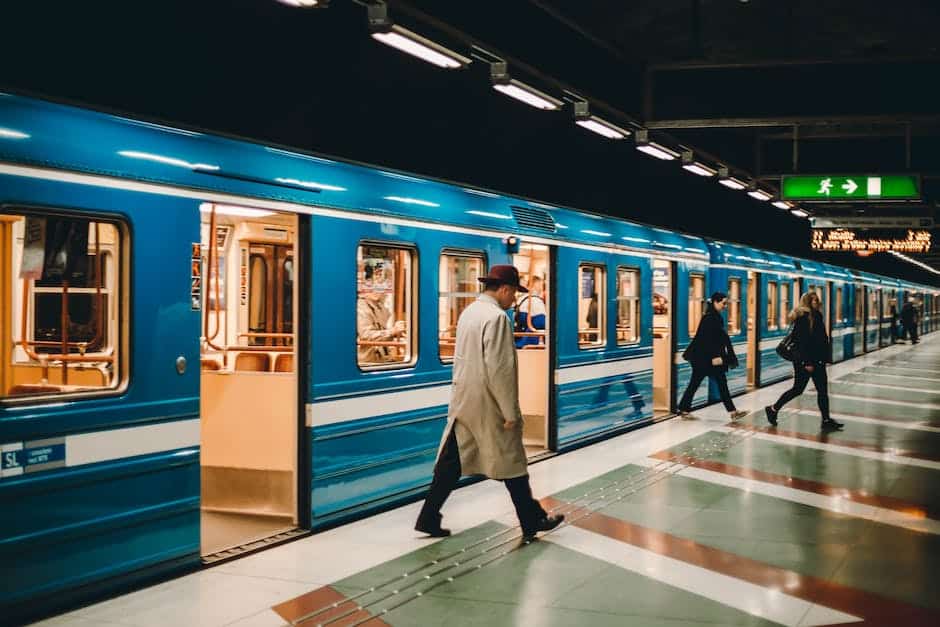
The Mass Transit Railway (MTR) is Hong Kong’s rapid transit system, connecting various parts of the city and extending to the New Territories and beyond. The MTR is an efficient, affordable, and reliable mode of transport for locals and tourists alike. With 12 lines and over 90 stations, the MTR covers most of the city’s major attractions and commercial areas.
The MTR’s trains run from 6 am until 1 am daily, with services every few minutes during peak hours and the wait time increasing slightly during off-peak hours. One of the standout features of the MTR is its speed, with trains reaching up to 135 km/h on some lines.
The MTR is incredibly easy to navigate, with clear signage and announcements in English and Chinese. The fare is based on distance, and the cost is relatively low compared to other major cities in the world. Tourists can purchase single-journey tickets or an Octopus Card, which is a reloadable smart card that can be used for multiple journeys on the MTR and other forms of transport in Hong Kong.
One of the most convenient aspects of the MTR is that it is fully integrated with other forms of transport in Hong Kong. Passengers can connect to other modes of transport like buses, minibusses, and ferries from various MTR stations. The interconnectivity of the MTR allows passengers to travel throughout Hong Kong with ease.
The MTR system is designed to be accessible to everyone, including those with disabilities. All stations are equipped with elevators, ramps, and tactile guide paths for the visually impaired. Priority seats are available for those in need, and announcements are made in both Cantonese and English.
Overall, the MTR is a great way to get around Hong Kong. It is fast, efficient, and affordable, making it an ideal mode of transport for locals, expats, and tourists alike. With its extensive network, ease of use, and emphasis on accessibility, the MTR truly is the backbone of Hong Kong’s public transport system.
Getting Around Hong Kong: An Overview of Public Transport Options
Hong Kong is a bustling city with a complex public transport system. Whether you’re a resident or a tourist, navigating the city’s transport options can often be overwhelming. Fortunately, Hong Kong boasts an efficient and extensive public transportation network that can get you anywhere you need to be, quickly and affordably.
The Mass Transit Railway (MTR) is the backbone of Hong Kong’s public transport system. Consisting of eight lines and 93 stations, the MTR reaches virtually every corner of the city. It’s fast, reliable, and incredibly affordable. An added bonus is free Wi-Fi connection in all stations and on trains. You can use the MTR to reach Hong Kong Island, Kowloon, and New Territories. Each line has its own color, and stations are clearly marked in both English and Chinese.
Hong Kong’s iconic tram network is another affordable option for getting around the city. Trams have been running in Hong Kong since 1904 and are still a popular mode of transport for locals and tourists alike. They operate exclusively on Hong Kong Island, running east to west along the northern shore. The trams are particularly useful for exploring the Central and Admiralty districts as well as Sheung Wan, Wan Chai and Causeway Bay. As the trams run quite slowly, they are a great way to take in Hong Kong’s street life at a leisurely pace.
Buses and minibuses are another important component of the Hong Kong transport system offering a cost-effective way to travel at longer distances, or to remote areas beyond the reach of the MTR. Hong Kong buses and minibuses are color-coded according to their route, so be sure to check the color of the bus before jumping aboard. Minibuses are a more flexible option as they are able to navigate narrower roads, but they can also be less comfortable than buses during peak hours.
Hong Kong’s Star Ferry service, which has been operating for over 120 years, is another iconic mode of transport in the city. The ferry service runs across Victoria Harbour, connecting Hong Kong Island with Kowloon. The trip takes only 10 to 15 minutes, and offers incredible views of the city skyline from the water. It’s also incredibly affordable, with fares starting at just HKD 2.5 per ride.
If you need to get somewhere quickly, taxis and ride-hailing services are always an option. Hong Kong taxis are metered, and fares are charged based on distance and time elapsed. You can hail a taxi from the street, or find them waiting at ranks located around the city. Ride-hailing services such as Uber and Lyft also operate throughout Hong Kong, but fares may vary depending on demand.
Overall, Hong Kong’s public transport system is reliable, efficient, and one of the most extensive in the world. With a little planning and an understanding of the different transport options available, you’ll be able to quickly and easily get wherever you need to go in this incredible city.
Buses and Minibuses: Exploring the City’s Road Networks
If you’re looking to explore more of Hong Kong’s vibrant neighborhoods and lesser-known attractions, consider taking the bus or minibus. Buses are the most common form of public transportation in the city, with dozens of routes running throughout the day and night. Minibuses, on the other hand, are smaller vehicles that typically operate on more specialized routes.
Both buses and minibuses are affordable and convenient, making them an excellent option for budget-conscious travelers or those who prefer a more flexible travel itinerary. Many bus routes also offer scenic views of the city’s stunning skyline and harbor, making for an enjoyable ride.
One thing to keep in mind, however, is that buses can be crowded during peak hours and may run behind schedule due to traffic congestion. It’s best to plan ahead and give yourself extra time to reach your destination. Additionally, be sure to have exact change on hand when boarding a bus, as drivers typically do not give change.
If you’re looking to explore Hong Kong’s outlying islands, buses and minibuses are also a great option. The New World First Bus operates routes to popular islands such as Lantau and Cheung Chau, while the Lantau Bus company offers services to more remote areas of Lantau Island.
For those who prefer a more private mode of transportation, Hong Kong also offers a range of taxi services. Taxis in the city are color-coded according to their operating areas and typically charge by the meter or a fixed rate for certain routes. However, fares may increase during peak hours or when crossing bridges or tunnels.
In addition to taxis, ride-hailing apps such as Uber and Grab are also available in Hong Kong and offer a convenient way to get around the city. However, it’s important to note that ride-hailing services must be booked through an app and cannot be hailed on the street like traditional taxis.
The Iconic Star Ferry: An Iconic Way to Cross Victoria Harbour
One of the most iconic ways to travel in Hong Kong is via the Star Ferry. The service has been operating for over 100 years, and offers stunning views of the city’s harbor and skyline. The journey from Tsim Sha Tsui to Central is an unforgettable experience, especially at night when the skyscrapers light up the skyline.
The ferry service runs every day from early in the morning until late at night, with a frequency of about every 15 minutes. The prices are incredibly affordable, making it an accessible transport option for all. Tourists often take the ferry to get a glimpse of Hong Kong’s famous landmarks and take in the breathtaking views of the city. Additionally, the ferry provides a great photo opportunity for visitors to capture the postcard-perfect views of Victoria Harbour.
The iconic green and white Star Ferries are part of Hong Kong’s history and culture. These vessels have been transporting passengers for over a century and are an integral part of the city’s transportation system. The Star Ferry has been romanticized in movies, books, and songs, which has made it a favorite spot among locals and tourists alike.
The ride is a short one, taking only around eight minutes, but it is a must-do for anyone visiting Hong Kong. The gentle sway of the boat coupled with the fresh ocean air and the skyline views will make your journey enjoyable and memorable. For passengers looking for an extra special experience, the ferry offers a “Harbour Tour” on a sightseeing boat, which includes a 45-minute cruise around the city’s waterfront.
The Star Ferry is an experience that is not to be missed when visiting Hong Kong. It offers a unique way to explore the city and take in the stunning views of Victoria Harbour. Book a ride and experience the history and culture of Hong Kong’s iconic transportation system.
Taxis and Ride-Hailing Services: Tips and Tricks for Getting Around Hong Kong Efficiently
Hong Kong is known for its efficient and affordable public transport system, but sometimes taking a taxi or using a ride-hailing service can be a faster and more convenient option. Here are some tips and tricks for using taxis and ride-hailing services in Hong Kong:
One thing to keep in mind when taking a taxi in Hong Kong is that there are different types of taxis, each with a different color. Red taxis operate throughout most of Hong Kong, while green taxis only serve the New Territories and blue taxis are exclusively for Lantau Island. It’s important to make sure you get in the right taxi for your destination.
Another important thing to keep in mind is that Hong Kong taxi drivers are generally honest and reliable, but there are a few unscrupulous ones out there. Make sure the meter is running and that the driver is using the most direct route to your destination. Also, be aware that taxis charge an extra fee for crossing the harbor tunnels or using certain expressways.
If you prefer to use a ride-hailing service like Uber or Lyft, you’ll be happy to know that they are readily available in Hong Kong. One thing to keep in mind, however, is that Hong Kong has strict regulations regarding ride-hailing services. For example, drivers must have a hire car permit and insurance that covers ride-hailing activities. As a result, ride-hailing services in Hong Kong tend to be a bit more expensive than in some other places.
Another option for ride-hailing in Hong Kong is the local service called “DiDi.” This app is similar to Uber and can be used to hail private cars, taxis, and even luxury vehicles. The rates for DiDi tend to be more affordable than Uber or Lyft, so it’s worth checking out if you’re looking for an alternative.
One final tip for getting around Hong Kong efficiently is to use the cross-harbor taxis or ride-hailing services. These services allow you to cross Victoria Harbour without having to take the MTR or a ferry. This can be particularly useful during rush hour when the tunnels and ferries can get crowded.
Overall, taxis and ride-hailing services can be a convenient way to get around Hong Kong, especially if you’re in a hurry or need to go somewhere that’s not easily accessible by public transport. Just make sure to follow these tips and tricks to ensure a safe and hassle-free journey.
Conclusion
With its extensive public transportation system, getting around Hong Kong couldn’t be easier. From the iconic Hong Kong tram and Star Ferry to the city’s modern MTR network and variety of buses and minibuses, travelers have numerous options at their disposal to explore the city’s bustling streets and neighborhoods.
Whether you’re a first-time visitor to Hong Kong or a long-time resident, understanding the different modes of transportation available can save you time, money, and headaches. Taking advantage of ride-hailing services like taxis and Uber can also be a convenient option, especially during peak travel times or when you need to make a quick trip across town.
One thing to keep in mind when planning your travels is that many of Hong Kong’s transportation systems are cashless, so consider picking up an Octopus card for easy payment. And don’t forget to take in the stunning views of Victoria Harbour when crossing by ferry or tram!
Overall, with a little research and preparation, getting around Hong Kong can be a breeze. We hope this guide has provided you with a comprehensive overview of the city’s public transportation options and helped you feel more confident as you explore what this vibrant destination has to offer.


