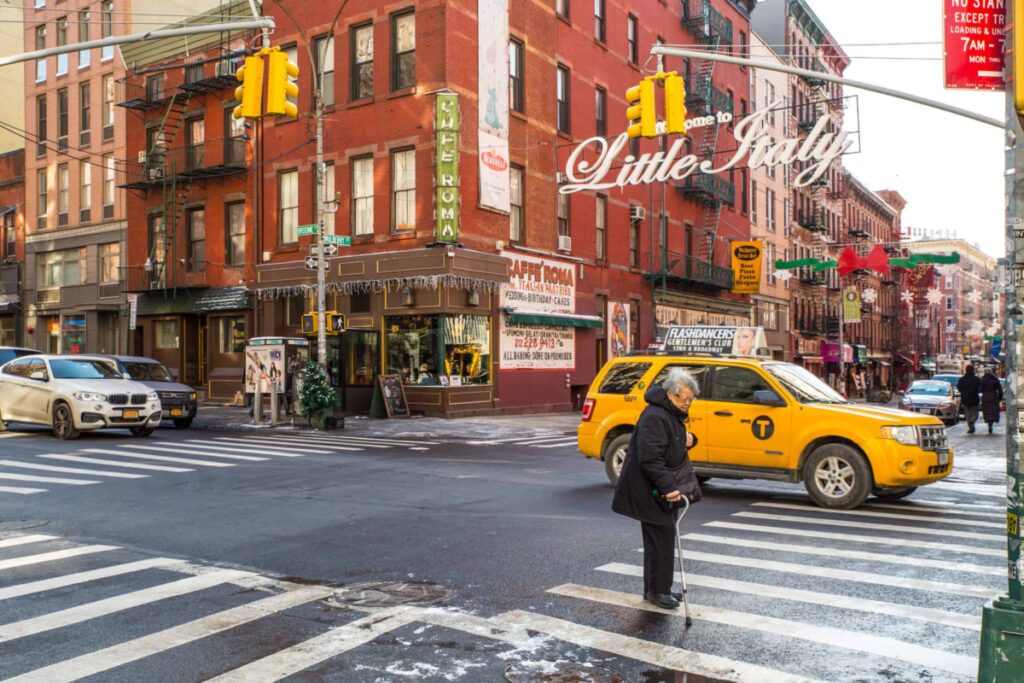
You’re visiting New York City and want to experience the city’s cultural diversity and history. One way to do that is to explore the ethnic enclaves that are scattered throughout the city. In this guide, we’ll explore two of the most iconic neighborhoods: Little Italy and the Jewish Lower East Side.
What was once a bustling Italian American neighborhood, Little Italy has evolved into one of New York’s premier destinations for delicious Italian cuisine and historic architecture. Meanwhile, the Jewish Lower East Side is a hub of Jewish culture, with historic synagogues, institutions, and delicious kosher food. Let’s dive into these two neighborhoods and discover all that they have to offer.
Exploring Mulberry Street
One of the most iconic streets in Little Italy is Mulberry Street. Taking a stroll through this historic street will transport you back in time to the era of early Italian immigration to New York. As you walk down the street, be sure to visit famous landmarks like the Italian American Museum. This museum celebrates the vibrant Italian American community and highlights the many contributions that Italian immigrants have made to American society.
Another must-see landmark on Mulberry Street is St. Patrick’s Old Cathedral. This beautiful Gothic Revival church was constructed in the 1800s and continues to serve as a place of worship for the local community today. Take a moment to step inside and marvel at the ornate stained glass windows and intricate marble altar.
Feasting on Italian Cuisine
No visit to Little Italy would be complete without indulging in some authentic Italian cuisine. Fortunately, this neighborhood is home to some of the best Italian restaurants in the city. For a true classic, head to Lombardi’s, widely considered to be the oldest pizzeria in the United States. The pizzas here are made with fresh mozzarella, tomato sauce, and hand-rolled dough that’s baked to perfection in a coal-fired oven.
If you’re craving pasta, there’s no shortage of options on Mulberry Street. Head to Il Cortile for classic dishes like spaghetti alla carbonara or linguine vongole. And be sure to save room for dessert! The cannoli at Ferrara Bakery & Cafe are some of the best in the city. These crispy, cream-filled pastries are a Little Italy staple and will satisfy any sweet tooth.
Whether you’re a seasoned New Yorker or visiting for the first time, exploring Little Italy and feasting on its delicious cuisine is a must-do experience. So put on your walking shoes, head to Mulberry Street, and prepare to be transported to one of the most vibrant and historic neighborhoods in the city.
The Jewish Lower East Side: Home to Many
It wasn’t until the late 1800s that a large wave of Jewish immigrants began to arrive in New York City. Many of these immigrants settled in the Lower East Side, creating a tight-knit community that would become home to over one million Jewish residents by the early 20th century. The neighborhood became a center of Jewish culture, with dozens of synagogues, kosher shops, and Yiddish theaters.
The establishment of the Jewish Lower East Side wasn’t always easy, though. Many of the Jewish immigrants faced discrimination and poverty upon arrival. Despite these challenges, the community persevered and built a thriving neighborhood that would come to be known as the cultural capital of American Jewry for nearly a century.
A Glimpse into Jewish Traditions
One of the best ways to understand Jewish traditions is to visit some of the historic synagogues in the Lower East Side. The Kehila Kedosha Janina Synagogue & Museum is a great place to start. This unique synagogue was founded by Jewish immigrants from the Greek island of Ioannina. The museum contains artifacts that offer glimpses into the lives of Sephardic Jews and their history in the neighborhood.
Another must-visit synagogue is the Eldridge Street Synagogue. This ornate synagogue was built in 1887 and served the large community of Eastern European Jewish immigrants. Today, it has been beautifully restored and is open for tours and worship. Visitors can learn about the rich history of the synagogue and the Jewish community that built it.
Other spots where you can learn about Jewish traditions and customs include the Lower East Side Tenement Museum and the Yiddish Theater Walk of Fame. These places offer a fascinating look into the lives of Jewish immigrants and their lasting impact on American culture.
Tasting Jewish Delicacies
If you’re a foodie, you certainly won’t want to miss the chance to indulge in some of the Jewish delicacies that have made the Lower East Side famous. A visit to this iconic neighborhood wouldn’t be complete without trying a variety of classic Jewish dishes.
1. Katz’s Delicatessen
Katz’s Delicatessen, a New York institution, has been serving up pastrami sandwiches, hot dogs, and other deli treats since 1888. Katz’s is a must-visit attraction for foodies from all over the world. Their pastrami and corned beef sandwiches are legendary and have been featured in numerous movies and TV shows.
One of the most famous sandwiches on the menu is the hot pastrami on rye. It’s piled high with tender, flavorful pastrami and served with spicy mustard and a pickle on the side. Make sure you grab a ticket before getting in line to order, so you can pay your tab at the end.
2. Russ & Daughters
Russ & Daughters, opened in 1914, is renowned for its lox and bagels, smoked fish, and other Jewish specialties. Their classic New York bagel is soft and chewy on the inside and crispy on the outside. Toasted and slathered with cream cheese, it’s the perfect breakfast or snack.
Try some of their smoked fish like salmon, whitefish, or sturgeon. The thinly sliced fish is a delicacy often served with a bagel, cream cheese, onions, and capers. If you’re looking for something sweet, be sure to try their hand-rolled chocolate babka, which is rich, buttery, and irresistible.
Shopping in the Southside
While visiting Little Italy and the Jewish Lower East Side, don’t forget to check out the local shops. There are many unique stores and markets in the area where you can find souvenirs, gifts, and other special items.
1. The Pickle Guys
The Pickle Guys have been in business for over 50 years, and they offer a wide variety of pickled vegetables and other specialties. Their barrels of pickles are always fresh and crunchy, and the brine is perfectly tangy. You can try different flavors and pick out your favorites to bring home.
Their hot and spicy pickled green tomatoes are particularly popular, as well as their half-sour pickles and garlic pickles. They also sell pickled beets, carrots, okra, and other vegetables- the list goes on!
2. Streit’s Matzo factory
Streit’s Matzo factory has been around since 1925 and is a must-visit for those wanting to learn more about Jewish culture and traditions. The factory offers tours that take you behind the scenes to see how matzo, a traditional unleavened bread, is made. The guides explain the history of the company and the matzo-making process in detail.
You can buy fresh matzos, cake meal, and other kosher products at their store- they also have a selection of Jewish cookbooks and other Judaica items available for purchase.
If you have a sweet tooth, be sure to check out their selection of Passover candies and treats. These include chocolate-covered matzos, dried fruit, nuts, and other sweets.
Immigration Museum: A Journey to the Past
Visiting the Tenement Museum is a must if you want to experience the lives of immigrants in the 19th century. The museum located in Lower East Side presents an interactive journey to the past, where you witness the recreated living spaces of the immigrants and their everyday struggles. The museum’s education programs offer guided tours, readings, and discussions, making it an enjoyable yet informative experience for all age groups.
The museum showcases five historical buildings, which are restored and furnished with items collected from antique stores, private donors, and flea markets. These buildings are representative of different times, groups, and cultures and help visitors understand the diversity and the complexity of immigration to New York City in the late 1800s.
The museum’s approach to storytelling is immersive and personal, relying on audio and visual cues, interactive media, and historical facts. Guided by certified educators, visitors traverse the narrow corridors, walk up the creaky stairs, and peer into the bedrooms, kitchens, and living rooms of families that once lived there. The experience humanizes history and engages visitors in a conversation about immigration, identity, and dignity.
Festivals and Celebrations
Experience the richness and vibrancy of Italian and Jewish cultures by joining the thriving festivals held in Little Italy and the Lower East Side. These street festivals are an opportunity to taste delicious food, listen to live music, shop for artisanal products, and learn about the cultural heritage of the communities.
San Gennaro Feast
The San Gennaro Feast is an annual festival held in September that celebrates the Feast Day of San Gennaro, the patron saint of Naples. The festival features a vibrant procession, in which a statue of the saint is carried through the streets, followed by a feast of Italian delicacies, tiramisu, cannolis, and zeppoles among others, along Mulberry Street.
The feast is an opportunity to experience the charm and authenticity of Little Italy, listen to live music, play games, and laugh with friends. The festival attracts thousands of visitors from all over the world, making it a colorful and lively event.
Feast of Sukkot
The Feast of Sukkot is a Jewish holiday that commemorates the period when the Israelites lived in tents or booths in the wilderness. The holiday features the construction of Sukkah, temporary shelters decorated with fruits, vegetables, and other memorabilia. The festival is a time to rejoice, give thanks, and appreciate the harvest season.
During the festival, the Lower East Side hosts a variety of cultural and religious events, including lectures, tours, art exhibitions, and traditional meals. Visitors can join Congregation Chasam Sopher for an authentic Sukkot dinner, or attend the Harvest Festival at Sixth Street Community Center, where they can taste local products grown in urban gardens, listen to music, and participate in workshops.
Whether you are interested in history, culture, or cuisine, Little Italy and the Lower East Side have something for everyone. By visiting the Tenement Museum and joining the festivals and celebrations, you will not only learn about the past and the present but also connect with the communities and the stories that make New York City unique.
Getting There
When it comes to exploring New York City’s vibrant ethnic enclaves, Little Italy and the Jewish Lower East Side are two neighborhoods you won’t want to miss. Whether you plan to take the subway or walk, there are several transportation options to consider.
Subway
The New York City Subway is a convenient and affordable way to get to Little Italy and the Jewish Lower East Side. Take the B or D subway line to Grand St. station if you’re visiting the Jewish Lower East Side, while the 6 subway line stops at Spring St. station if you’re heading to Little Italy.
If you want to explore both neighborhoods in one day, a good option is to take the F subway line to East Broadway station, and then walk north to Little Italy and south to the Jewish Lower East Side.
Best Times to Visit
If you want to experience the true essence of Little Italy and the Jewish Lower East Side, plan your visit during one of the many cultural events that take place here throughout the year. These events include the Feast of San Gennaro in September, where you can sample some of the best Italian food and wine, or the Lower East Side Pickle Day in October, where you can taste and buy pickled cucumbers, beets, and other vegetables.
If you prefer a quieter visit, it’s best to avoid the weekends when the neighborhoods can get crowded with tourists. Weekdays are ideal for a more peaceful experience and a chance to mingle with locals.
Accommodations Nearby
If you’re planning to spend the night in Little Italy or the Jewish Lower East Side, there are plenty of options to choose from. From budget-friendly hostels to luxury hotels, the neighborhoods have something for everyone.
| Accommodation Type | Hotel Name | Price Range |
|---|---|---|
| Budget | Central Park Hostel | $30-$60/night |
| Moderate | Ace Hotel New York | $150-$250/night |
| Luxury | The Ludlow Hotel | $300-$500/night |
Another great option for a unique stay is to book an Airbnb apartment in the heart of Little Italy or the Jewish Lower East Side. You’ll get to experience the neighborhoods like a local and have a more immersive cultural experience.
Whether you plan to visit Little Italy and the Jewish Lower East Side for a day or a week, there are plenty of accommodations and transportation options to choose from to make your visit a memorable one.
Exploring New York’s Ethnic Enclaves
Congratulations, you now have a comprehensive understanding of two of New York’s most historic ethnic enclaves – Little Italy and the Jewish Lower East Side. Both neighborhoods offer a rich history and culinary experiences that are sure to captivate travelers and locals alike. Little Italy’s narrow streets still pay homage to its centuries-old Italian roots, offering authentic cuisine and an old-world charm that will make you feel as though you stepped into Italy itself. Similarly, the Jewish Lower East Side is bursting with history and culture, and you’ll find a plethora of Jewish delis and bakeries that have been around for generations.
While there’s still much more to explore throughout New York’s diverse neighborhoods, we hope this guide has provided a glimpse into the fascinating cultural melting pot that the city has to offer. Whether you seek to experience the bustling energy of a city driven by diversity, or satisfy your cravings for delicious world-renowned eats, Little Italy and the Jewish Lower East Side are definitely worth checking out. So what are you waiting for? Put on your walking shoes and explore these historic and flavorful neighborhoods.


