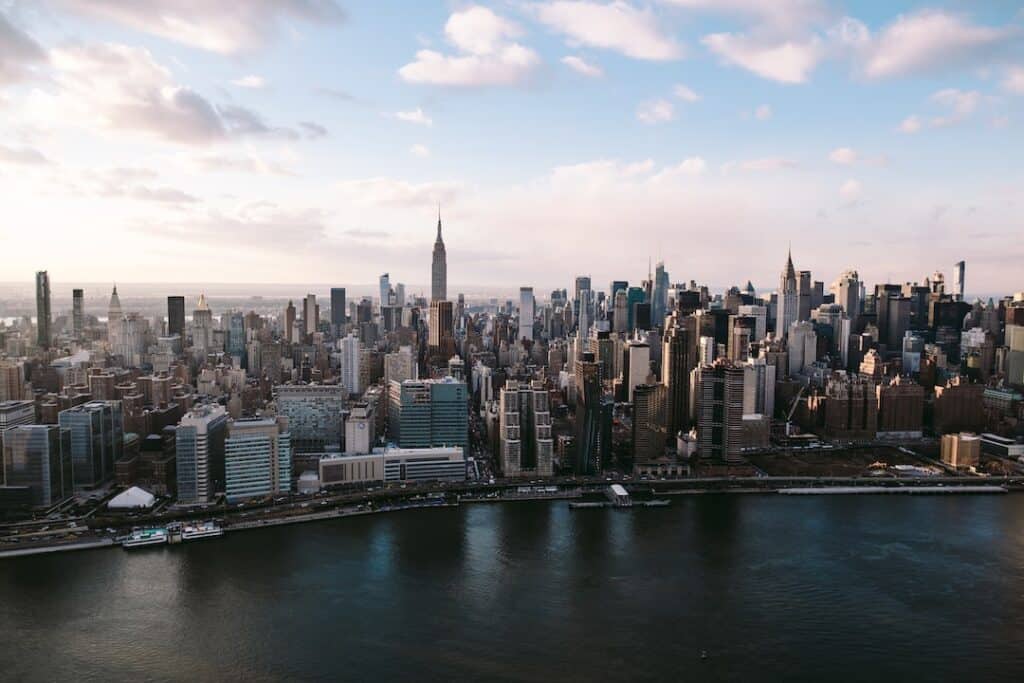
August in New York City is among the most beautiful months of the year, bringing warm weather, plenty of sunshine, and a host of outdoor activities for locals and tourists alike. However, anyone planning to visit the “City That Never Sleeps” in August should be prepared for a few surprises when it comes to the weather.
One of the first things to consider is the typical weather patterns for August in New York City. Over the years, the city has seen a variety of weather conditions during this month, from high humidity and hot temperatures, to cooler and more pleasant temperatures that are ideal for exploring the city on foot or by bike. Understanding the weather history and patterns can help visitors pack appropriately and plan their activities to make the most of their time in the city.
New York City’s location on the Atlantic coast also plays a significant role in its weather patterns, with ocean currents affecting the city’s climate throughout the year, including in August. This, combined with the city’s urbanization, has led to some significant challenges when it comes to dealing with extreme weather conditions, such as heatwaves, thunderstorms, and flooding.
Although August can be an unpredictable month weather-wise, with proper planning and preparation, visitors should be able to enjoy all that the city has to offer during this beautiful time of the year. From rooftop bars and parks, to world-class museums and galleries, New York City in August is a destination like no other.
The Historical Weather Patterns of August in New York City
August is the last month of summer, and it comes with unpredictable weather in New York City. Historical weather patterns show that August has been one of the hottest and most humid months in the city, as compared to other months in the year. For over a century, New York has experienced an average high temperature between 79°F and 83°F during August, with lows ranging between 69°F and 73°F.
The hot temperature during August in New York is caused by several factors such as the city’s location, ocean currents, and urbanization. New York City is close to the Atlantic Ocean, where air currents carry hot air from the south into the city. Additionally, the city’s urban heat island effect causes even higher temperatures during this month.
August also involves a lot of humidity, with levels increasing throughout the month. The city’s temperature and humidity are further exacerbated by the afternoon sun, creating conditions of discomfort for residents and tourists. Because of this, air conditioning systems and fans are essential to provide relief from the heat and humidity.
While New Yorkers might feel like August is sweltering every year, the data shows that there has been some variation in weather patterns over the years. For instance, some years have recorded exceptional levels of precipitation and thunderstorms while others have been relatively dry.
One significant historical event that impacted August weather in New York City was Hurricane Irene in 2011. The storm caused severe flooding in parts of the city, with one area receiving over 13 inches of rain. Hurricane Irene demonstrated the importance of hurricane safety measures and preparedness for the city.
In conclusion, understanding the historical weather patterns of August in New York City can help residents and visitors prepare for the month ahead. Not only will it allow people to pack the right clothes, but it also gives you an idea of how much air conditioning you’ll need during this time.
The Impact of Ocean Currents on New York City’s August Weather
As a coastal city, New York City’s weather is directly impacted by the nearby ocean currents. In August, the ocean currents flowing past New York City are primarily influenced by the Gulf Stream. The Gulf Stream is a powerful warm ocean current that originates in the Gulf of Mexico and flows into the Atlantic Ocean. It helps to regulate the temperature and weather patterns of many parts of the Eastern Seaboard of the United States, including New York City.
The Gulf Stream has a significant impact on New York City’s August weather patterns. The warm waters of the Gulf Stream influence the temperature and humidity levels of the surrounding areas. In August, this can lead to warmer and more humid conditions in New York City, especially during a heatwave. The presence of the Gulf Stream also contributes to the frequent occurrence of thunderstorms and tropical storms during this time of year.
Along with the Gulf Stream, the nearby Labrador Current also affects New York City’s August weather patterns. The Labrador Current is a cold ocean current that flows from the Arctic into the Atlantic Ocean. In August, this current can sometimes push warmer waters further southward, leading to a brief increase in temperatures in New York City.
Another way in which ocean currents impact New York City’s weather during August is through sea surface temperatures. Warmer sea surface temperatures can increase the amount of moisture in the air, leading to higher humidity levels and a greater chance of thunderstorms. This is especially true in coastal areas of the city, which directly experience the effects of the nearby ocean currents.
Overall, the impact of ocean currents on New York City’s August weather is significant. The Gulf Stream and Labrador Current both influence temperature, humidity, and precipitation levels, creating a unique climate for this time of year. Understanding these factors can help residents and visitors prepare for the specific weather patterns that are likely to occur in New York City during August.
The Role of Urbanization in Altering New York City’s August Climate
New York City’s urbanization has been on a constant rise, with skyscrapers and concrete jungles sprouting all over the sprawling city. This urbanization has resulted in a form of “microclimate” in the city, with temperatures differing from one area to another. A major result of this has been the alteration of August weather in the city.
One of the most significant impacts of urbanization in New York City has been the urban heat island effect. The concentration of buildings, roads, and other urban infrastructure results in the absorption and retention of more heat. This causes the city to be warmer than its surroundings. In August, temperatures in urban areas in New York City can be up to 5°F hotter than in rural areas.
Another severe impact of urbanization has been the loss of vegetation and the increase in impervious surfaces such as concrete. Trees and vegetation play a significant role in regulating the temperature by providing natural shade and releasing water vapor that cools the air. The absence of vegetation results in a reduced ability to remove pollutants, lower humidity levels, and increased dryness. This causes a higher risk of heatwaves that can be dangerous for human health.
Urbanization has also led to a disturbing phenomenon in New York City- air pollution. Higher traffic volumes and burning of fossil fuels release large quantities of pollutants into the air. The effects of air pollution can result in weakened respiratory systems, asthma and other allergies, as well as more severe conditions such as lung cancer.
As the population of New York City continues to grow, urbanization will continue to alter the August climate. Fortunately, there are methods to mitigate the negative impacts of urbanization. New York City has implemented strategies such as creating green spaces and parks, promoting cleaner forms of transport, mandating strict building codes that incorporate environmentally friendly designs. The role of initiatives such as these will be essential in maintaining a desirable August climate as urbanization continues to shape the city.
How Heatwaves and Humidity Affect New York City in August
August in New York City is notorious for its high temperatures and humidity levels due to its location on the East Coast. In fact, the city experiences heatwaves almost every year in August. A heatwave is defined as a prolonged period of excessive heat, which can have significant impacts on human health and the environment.
The combination of high temperatures and humidity can lead to dangerous heat index levels, making it difficult for the human body to cool down. This can cause heat exhaustion, heatstroke, and even death, particularly for vulnerable populations such as the elderly, children, and those with pre-existing medical conditions.
Heatwaves can also have economic implications, impacting industries such as tourism, transportation, and energy. Increased energy demand for air conditioning during a heatwave can lead to blackouts and brownouts, further exacerbating the situation.
Aside from the immediate impact on human health and the economy, heatwaves can also have long-term effects on the environment. For example, high temperatures can exacerbate air pollution and lead to the formation of ground-level ozone, which can damage crops and ecosystems.
High humidity levels in New York City during August can add to the discomfort of high temperatures. When the air is saturated with moisture, sweat cannot evaporate as quickly from the skin, making it harder for the body to cool down. This can lead to an increased risk of heat exhaustion and heatstroke. Additionally, high humidity levels can contribute to the formation of fog and haze, reducing visibility on the roads and impacting transportation.
In conclusion, heatwaves and high humidity levels can have significant impacts on New York City in August, ranging from human health to the environment and the economy. It is important to take precautions to stay safe during these extreme weather events, such as staying hydrated, staying indoors if possible, and checking on vulnerable populations such as the elderly.
The Frequency and Intensity of Thunderstorms during August in New York City
August is known for being a month of increased heat and humidity in New York City. As a result, this month is also the peak of thunderstorm season in the region. Thunderstorms are particularly dangerous because they occur suddenly and often unpredictably, causing severe damage to property and posing a threat to human life.
The frequency and intensity of thunderstorms in August depend on various factors such as temperature, humidity, and atmospheric pressure. Thunderstorm activity tends to peak during the late afternoon and evening due to rising temperatures throughout the day, it often cools the environment down but can be intense in the first few hours. The rise in humidity also plays a critical role in the development of thunderstorms.
New York City’s urban environment can also exacerbate the severity of these storms. The heat island effect caused by the city’s numerous concrete buildings and asphalt streets can enhance the conditions for thunderstorms by trapping heat and moisture. The resulting smog and air pollution can also contribute to the instability of the atmosphere, potentially leading to more intense and frequent thunderstorms in the area.
According to historical data, the frequency of thunderstorms in August tends to increase from the beginning of the month and peaks towards the end while the thunderstorms tend to last for only an hour or two. However, there may also be periods of extended thunderstorm activity lasting multiple days, depending on the atmospheric conditions at the time.
With the advent of climate change, it is predicted that New York City may experience more frequent and severe thunderstorm activity in the future. The number of high-intensity storms and heavy rainfall events has been increasing over the past few decades, and this trend is expected to continue. Therefore, it is important for residents and visitors in the city to stay informed and prepared for any potential thunderstorm activity during August.
Preparing for New York City’s August Weather – Tips and Tricks
New York City’s August weather can be extreme and unpredictable, which can make it difficult to plan your daily activities or vacations. However, with some preparation and practical tips, you can enjoy the best of what the city has to offer, regardless of the weather forecast.
Firstly, it’s essential to pack for a range of weather conditions. August in New York City can be scorching, with high humidity levels, so you should bring lightweight and breathable clothing to stay comfortable. Be sure also to pack an umbrella or poncho in case of unexpected thunderstorms.
It’s also wise to check the weather forecast regularly leading up to your trip or daily activities. The weather in New York City can vary greatly from one day to the next, so always be prepared for any possible conditions such as intense heat, heavy rain, or thunderstorms. Consider downloading a reliable weather app to stay informed and make necessary adjustments to your plans.
If you plan to spend an extended time outdoors, try to plan around the hottest part of the day, which is usually between noon and 3 pm. Additionally, take advantage of the many indoor activities that New York City has to offer, from world-renowned museums to Broadway shows. You can also explore the city’s many parks and waterfronts during cooler morning or evening hours, when the heat is less intense.
It’s crucial to stay hydrated when visiting New York City during August, given the high heat and humidity levels. Be sure to drink plenty of water throughout the day, and avoid sugary or alcoholic drinks, which can lead to dehydration. You should also wear sunscreen and a hat to protect yourself from the sun’s harmful UV rays.
Finally, it’s always wise to be prepared for any possible emergencies. Make a plan with your traveling companions in case you get separated or lost. Also, keep a record of essential phone numbers such as your hotel, emergency services, and embassy or consulate.
By following these simple tips and tricks, you can enjoy the best of New York City in August, regardless of the weather forecast.
Conclusion
August weather in New York City is characterized by a mix of hot and humid days coupled with thunderstorms and occasional heatwaves. Understanding the historical weather patterns, the impact of ocean currents, and the role of urbanization in altering the climate are important factors in predicting and preparing for the August weather.
The unique geography of New York City, with its location near the ocean, makes it vulnerable to the impact of tropical storms and hurricanes. Similarly, heatwaves and high humidity levels can pose a risk to public health, particularly for vulnerable populations such as the elderly and those with pre-existing medical conditions. Thunderstorms and lightning strikes can also cause power outages and other disruptions.
While preparing for the August weather, it is important to stay informed about weather forecasts and potential hazards. In addition, taking precautions such as staying hydrated, using fans or air conditioning, and seeking shelter during thunderstorms can help reduce the risks associated with extreme weather conditions. By being proactive and well-prepared, individuals and communities can better protect themselves and their property during the unpredictable August weather in New York City.


