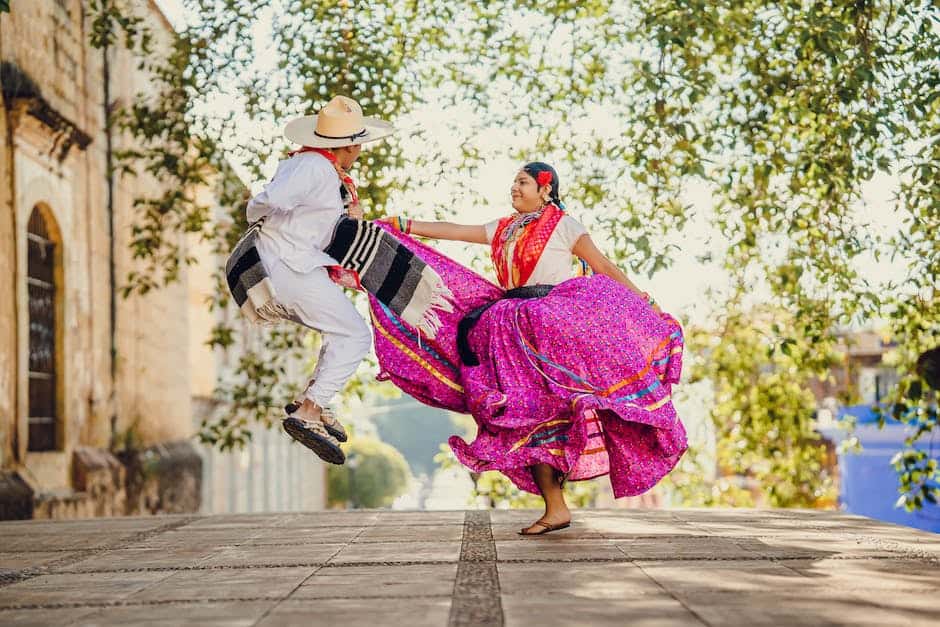
Oaxaca, a southern state in Mexico, is a hub of rich cultural heritage, traditions, and history. The state is famous for its unique textile, crafts, and culinary practices. However, Oaxaca’s music and dance culture is as diverse, fascinating, and significant as any other cultural practices. In this blog post, we will take a plunge into the world of Oaxacan music and dance to understand how the ancient traditions have successfully transitioned into the modern era.
Oaxaca’s music and dance culture are diverse and complex, influenced by the mix of Indigenous, African, and European traditions. The region’s music and dance traditions are believed to date back to pre-Hispanic times, and the use of shells, whistles, drums, and other instruments were some of the most common musical practices. These ancient practices have witnessed several transformations, contributing to the rich and diverse fabric of Oaxacan music and dance forms we see today.
One of the most popular Oaxacan festivals is the Guelaguetza Festival, which is celebrated in July each year. It is a celebration of the region’s music, dance, and costume traditions, where the locals come together to showcase their cultural heritage. In recent years, the popularity of the festival has spread, and it now attracts visitors from different parts of the world who come to witness the unique and diverse Oaxacan music and dance forms.
This blog post will take you on a journey of Oaxaca’s music and dance culture, exploring their pre-Hispanic roots, the role of music and dance in festivals, the unique musical traditions of Zapotec and Mixtec communities, the modern music scene, and the efforts to preserve and promote Oaxacan music and dance culture.
Pre-Hispanic Roots and Folkloric Influences in Oaxacan Music
Oaxaca, a state in southern Mexico, is a cultural melting pot that blends pre-Hispanic and colonial history. With its rich cultural heritage, Oaxaca has a music and dance tradition that dates back thousands of years.
The indigenous communities of Oaxaca, including the Zapotecs, Mixtecs, and Mazatecs, have a fascinating history of music that reflects their cultural identity. Conch-shell trumpets, flutes made of clay, and drums made of tree trunks were some of the musical instruments commonly used by pre-Hispanic peoples.
Oaxacan music preserved its pre-Columbian roots even after the Spanish conquest in 1521. The religious chants of the Catholic church merged with the indigenous music, and new rhythms and melodies were born. The Spanish influence can be heard in the brass-band music played at festivals and fairs.
The Zapotec and Mixtec people have become synonymous with Oaxacan music, and their traditional instruments, such as the marimba and the jarana, have become iconic symbols of the state. The jarana, a small guitar-like instrument, is considered the most representative instrument of Oaxaca, and its unique sound is an essential part of the state’s traditional music.
Oaxacan music is intertwined with dance, poetry, and storytelling. It has a great diversity of musical forms, including son, huapango, chilenas, and sones istmeños, each with its particular rhythm and style. These traditional rhythms are still popular, and many communities have kept the tradition alive and passed it down for generations.
Today, Oaxacan music and dance continue to represent a fusion of pre-Columbian and colonial influences. The diverse styles of music and dance are an expression of the rich cultural heritage of the state, representing its history, identity, and traditions.
Introduction to Oaxacan Music and Dance: A Rich Cultural Heritage
Oaxaca, a southern state in Mexico, is renowned for its rich cultural heritage and ancient traditions that are unique to the region. Oaxacan music and dance are two vital components of this cultural identity that has been passed down from generation to generation and still continues to thrive today. The people of Oaxaca have preserved their traditional music and dance as a way to connect with their ancestors and express their cultural pride.
The indigenous community of Oaxaca has played a significant role in shaping the state’s rich cultural traditions of music and dance. Before the Spanish conquest, the Zapotec and Mixtec people developed their own unique musical styles using indigenous instruments such as the teponaztli (drum), the guiro (a type of percussion instrument), and the pututu (a horn made from a conch shell). These musical traditions fused with the influences of the Spanish colonial era to create a diverse range of music and dance styles that are still prevalent today.
One of the most iconic celebrations of Oaxacan music and dance is the Guelaguetza festival, a week-long cultural extravaganza that takes place every July in the city of Oaxaca. The festival is a celebration of indigenous music, dance, costumes, and cultural heritage that is loved by both locals and tourists alike. During this festival, visitors can witness traditional dance performances like the Danza de la Pluma, the Jarabe del Valle, and more unique styles specific to each region of Oaxaca.
Oaxaca’s musical traditions have also evolved and adapted to modernity. Nowadays, music and dance have fused with different genres like rock, jazz, and electronic music, amongst others, attracting a younger audience while still preserving traditional music roots. The influence of these contemporary styles is notable throughout the region, showcasing the resilience and adaptability of Oaxacan musical styles in the modern era.
To preserve and promote Oaxacan traditional music and dance forms, there have been various cultural tourism initiatives developed by the government and other organizations, including music festivals, dance workshops, and cultural tours. These initiatives help to build awareness of Oaxaca’s rich cultural heritage and drive economic growth by providing jobs and support to small-scale artisans, dancers, and musicians.
In conclusion, Oaxacan music and dance are treasures that represent the amalgamation of cultures and traditions. Their vitality and uniqueness have been passed down from generation to generation, and the people of Oaxaca continue to celebrate and preserve these traditions today. Oaxacan music and dance is something that everyone should experience and appreciate as it gives a glimpse into the rich cultural history of this beautiful region.
Celebrating Festivities with Music and Dance: The Guelaguetza Festival
The Guelaguetza Festival is a major celebratory event in Oaxaca that takes place annually on the last two Mondays of July. Also known as the “Fiesta de los Lunes del Cerro” (Festival of Mondays at the hill), it is a cultural gathering where communities from the seven regions of the state come together to showcase their traditional music, dance, costumes, and local cuisine. This vibrant festival dates back to pre-Hispanic times when the Zapotec and Mixtec communities would gather to offer tributes to their gods for a good harvest.
Dating back to 1932, this unique festival has evolved through the years and become a hub for international tourists and locals alike. The Guelaguetza Festival amplifies the emotions and traditions of a city that prides itself on staying true to its cultural roots. It’s a time to celebrate, reunite, and honor the rich diversity of the Oaxacan cultures. Visitors come from all over the world to witness the beauty, elegance, and charm of traditional dances such as the “Danze de la Pluma”, “La Sandunga”, and “Jarabe del Valle”.
The highlight of the Guelaguetza Festival is the “Ceremony of the Dancers”. This event takes place at the Auditorio Guelaguetza, where all the dancers from the different regions of Oaxaca come together wearing their traditional costumes. The dance presentations are colorful, lively and accompanied by live music. The mesmerizing performances bring out emotions and happiness from the spectators. During the festival, the feeling of joy, hospitality, and cultural expression converges for everyone to enjoy.
In addition to music and dance, the Guelaguetza festival is also an occasion to indulge in Oaxacan cuisine. Traditional dishes such as tlayudas, tamales, quesillo, and mezcal are readily available, providing an unforgettable gastronomical experience to complement the lively atmosphere of the event.
The Guelaguetza Festival is not just about celebrating the cultural heritage of Oaxacan music and dance but also a reminder of the importance of maintaining and preserving traditional festivals in a society that values commercialism and globalization. This celebratory event serves as an excellent platform for the younger generations to appreciate and understand the importance of their culture, while also welcoming visitors from around the world to experience the beauty of Oaxacan traditions.
The Zapotec and Mixtec Musical Traditions: Unique and Diverse
The Zapotec and Mixtec peoples are two of the largest indigenous groups inhabiting the valleys, mountains, and beaches of the Oaxaca region. While their histories have been entwined with those of dominant Spanish forces, they’ve maintained their proud and unique traditions. One of these traditions is their musical heritage.
Music is at the heart of Zapotec culture, and their interpretation of music has a different cadence than neighboring cultures. One example is the zapateado dance, which combines the rhythms of the feet, the guitarrón, and the small violin-like instrument known as the jarana. This dance can be performed either in pairs or by a group, and it’s been around since pre-Colonial times.
The Mixtecs, on the other hand, focus more on vocal performances, but they also have their musical instruments, such as ocarinas, flutes, and drums. Mixtec music is quite diverse because it varies from region to region, reflecting the different customs and traditions in each area. For instance, in the highlands of Mixteca, the music is played on large ensembles of drums, flutes, and reed instruments. It sounds raw and raspy because vocal cords are not used, but rather, the musicians blow tiny bursts of air through a hole in their cheek or their nostrils as they play.
Another popular musical style in Oaxaca is Son Istmeño, which is a type of upbeat and rhythmic music performed with a variety of instruments, including drums, guitars, and saxophones. Created by the Zapotecs and the Mixtecs, it reflects the cultural richness and diversity found in Oaxaca.
The musical traditions of the Zapotec and Mixtec peoples are still very much alive today, not just in Oaxaca but throughout Mexico and the world.
Preserving and Promoting Oaxacan Music and Dance: Cultural Tourism Initiatives
Oaxaca is not just a place where music and dance thrive, it is a destination that offers experiences that reveal the soul of Mexico. As part of cultural tourism, the Mexican state of Oaxaca has introduced various initiatives aimed at preserving and promoting the rich heritage of its music and dance. These initiatives have helped to create a balance between commercial demands and cultural authenticity, ensuring that future generations can continue to enjoy Oaxaca’s cultural treasures.
Apart from the famous Guelaguetza festival, which attracts thousands of visitors from all over the world, there are other initiatives aimed at showcasing Oaxaca’s musical and dance traditions. For instance, there are a variety of cultural events throughout the year, including concerts, dance performances, and music festivals where emerging artists and traditional performers can showcase their talents.
As part of the preservation efforts, the state government has invested in restoration projects of historic venues such as the Teatro Macedonio Alcalá and the Casa de la Cultura de Oaxaca. This has not only ensured that these venues remain in good condition, but also provided spaces for artists to develop their skills and present their craft to a wider audience.
Another initiative that promotes Oaxacan music and dance is the creation of cultural centers that provide training, education, and resources to aspiring musicians and dancers. These centers are equipped with the necessary tools and equipment to enhance the artistic skills of the younger generation and promote cultural exchange between communities.
Moreover, the state of Oaxaca has implemented measures to ensure the protection and respect of cultural expressions, as part of the Human Rights agenda. This has led to the establishment of cultural legal frameworks and policies that have helped to preserve and protect indigenous languages and expressions, while at the same time allowing for creative and artistic freedom.
Oaxacan music and dance is not only about entertainment, it is an expression of the region’s cultural identity and a means to convey messages of social and political significance. With these cultural tourism initiatives, Oaxaca can showcase its unique art and culture to the world, while at the same time preserving it for future generations to come.
Conclusion
Oaxacan music and dance are deeply rooted in the region’s cultural history, dating back to the pre-Hispanic era. Over time, the music and dance traditions evolved with the influence of Spanish and Afro-Caribbean cultures, creating a unique and diverse art form.
The Guelaguetza festival is a prime example of the role that music and dance play in the state’s cultural heritage. It showcases the region’s diverse music and dance styles and attracts visitors from all over the world.
The musical traditions of the Zapotec and Mixtec peoples have a unique sound and rhythm that is distinctly Oaxacan. The modern music scene in Oaxaca is also thriving with artists blending traditional sounds with contemporary elements, creating music that appeals to a wider audience.
As with any cultural tradition, the challenge lies in preserving and promoting Oaxacan music and dance for future generations. Cultural tourism initiatives are playing an essential role in creating awareness and promoting Oaxaca’s rich cultural heritage.
In conclusion, Oaxacan music and dance represent a cultural identity that is unique, diverse, and steeped in history. These traditions have survived for centuries and continue to thrive in the modern world. It is our responsibility to cherish and promote them while keeping the spirit of Oaxacan music and dance alive.


