Oaxaca, Mexico is a cultural hub that has long been known for its art scene. The state’s rich heritage, diverse ethnic groups, and intense social and political realities have influenced the art movements that have emerged in the region. From pre-Columbian times to present day, Oaxaca has been the birthplace of some of Mexico’s most iconic artists and art styles.
A visit to Oaxaca is not complete without experiencing its art scene, which offers a diverse range of art forms, from traditional craftwork such as weaving and pottery to contemporary art in all its forms. Oaxaca’s art combines a passion for life, a deep sense of spirituality, and a commitment to community, making it truly unique in the Mexican art world and beyond.
This guide will take you on a journey through Oaxaca’s vibrant art scene, exploring its rich cultural history, unique artistic traditions, and contemporary movements. You will discover how Oaxaca’s art scene has been shaped by the region’s indigenous communities, the influence of Mesoamerican art, and its place in the context of Mexican art as a whole.
We will delve into the emergence of modern art in Oaxaca, showcasing some of the most exciting contemporary artists who are pushing the boundaries of traditional styles and techniques. We will also take you on a tour of the artisanal marketplaces that are brimming with unique, handcrafted goods that reflect the region’s rich cultural heritage.
But this guide is more than just a travelogue. We will also explore the challenges that Oaxaca’s art scene faces today, including the need to preserve and promote its art for future generations, and the importance of supporting the local artists and artisans who are the backbone of this vibrant community.
Exploring Oaxaca’s Traditional Art Forms
Oaxaca is a state located in Mexico that has a rich history of art and culture. This region is famous for its traditional art forms that draw inspiration from pre-Hispanic civilization. The art in Oaxaca is both traditional and contemporary, with much of it being inspired by the indigenous communities that call the area home.
One of the most well-known traditional art forms in Oaxaca is the ancient technique of weaving. The region has a rich history of weaving, with many talented artisans who have mastered the ancient craft. The textile designs that originate from Oaxaca are typically colorful and intricate, and each piece tells a unique story. The materials used for weaving vary from cotton to wool to silk, and each has a distinct texture and feel.
Another popular traditional art form in Oaxaca is pottery. Many of the indigenous communities in the region still make pottery using techniques that have been passed down through generations. The pottery in Oaxaca is known for its intricate designs and bright colors. Many of the pieces are used for cooking, while others are used for decorative purposes.
Wood carving is another traditional art form in Oaxaca that is highly regarded. The indigenous communities in the region are known for their intricate carvings, which often depict animals and other natural themes. The wood carvers in Oaxaca use a variety of woods, including cedar, copal, and pine. Each wood has its unique character, and the carvers take this into consideration when creating their pieces.
The ancient art of embroidery is also a prevalent traditional art form in Oaxaca. Many of the indigenous communities in the area still use embroidery techniques that have been passed down through generations. The embroidery often depicts flowers, animals, and other natural themes and is known for its vibrant colors.
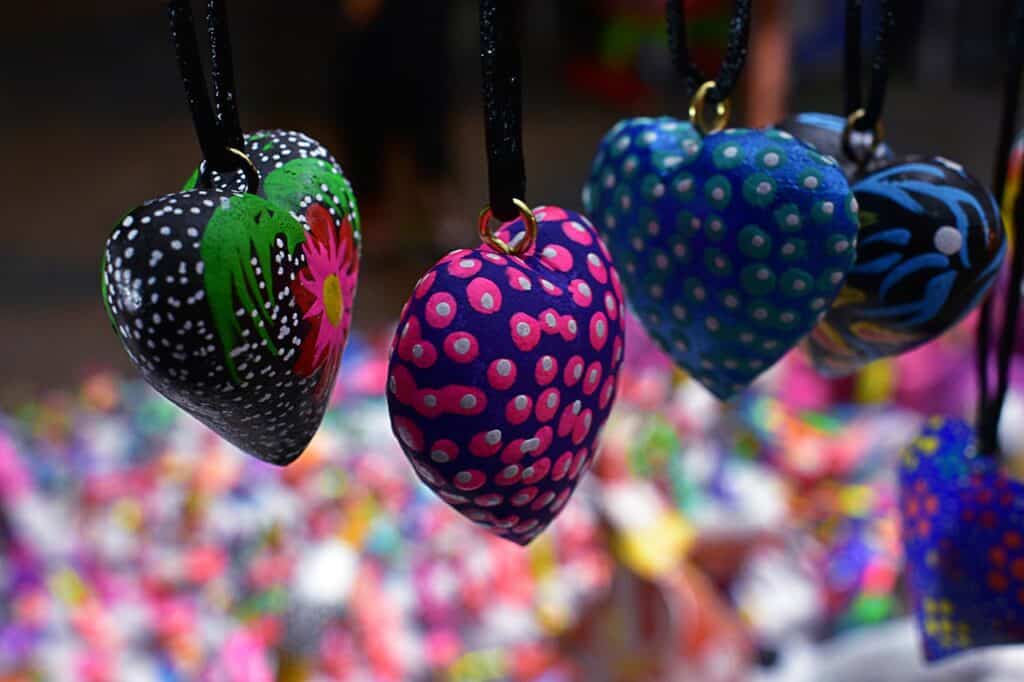
A spectacular traditional art form in Oaxaca is the making of Alebrijes. These are colorful Mexican folk art sculptures of fantastical creatures and are one of the most popular souvenirs among tourists. The carving of these figures is done by hand, using wood from copal trees and then painting it with bright colors and intricate designs.
Exploring Oaxaca’s traditional art forms offers a glimpse into the history of the indigenous people in the region. These art forms have been passed down through generations and continue to be an important part of the culture in Oaxaca. The artistic expression in the region is an inspiration to artists worldwide, and to appreciate it in-person is an opportunity that should not be missed.
The Emergence of Modern Art in Oaxaca
The art scene in Oaxaca is a blend of traditional and modern art forms. While traditional art has been prevalent for centuries, modern art has also been making a name for itself in this beautiful Mexican city. The emergence of modern art in Oaxaca can be traced back to the early 20th century, when Mexican artists began incorporating European art movements into their work.
One of the pioneers of modern art in Oaxaca was Rufino Tamayo. Born in Oaxaca in 1899, Tamayo went on to become one of the most celebrated artists in Mexico, known for his unique style that blended modern and indigenous art forms. Tamayo’s work was groundbreaking in its use of bright colors and abstract imagery, and paved the way for other modern artists to emerge in Oaxaca.
Another important figure in the emergence of modern art in Oaxaca was Francisco Toledo. Born in Juchitán, Oaxaca in 1940, Toledo is considered one of Mexico’s most important contemporary artists. He is known for his paintings, sculptures, and engravings, which often depict the natural world and Mexican culture. Toledo has also been a strong advocate for the preservation of historic buildings and cultural landmarks in Oaxaca.
Today, the modern art scene in Oaxaca continues to thrive, with countless artists creating innovative and thought-provoking works. Some of the most popular modern art galleries in Oaxaca include the Museum of Contemporary Art, the Rufino Tamayo Museum of Pre-Hispanic Art, and the Museum of Philately, which focuses on postal art.
Many of the modern artists in Oaxaca continue to draw inspiration from the city’s rich cultural history and deep connection to the natural world. Some incorporate traditional techniques and materials into their works, while others use technology and contemporary mediums to create cutting-edge pieces.
Whether you’re a long-time art lover or simply curious about the evolving art scene in Oaxaca, there’s no denying the significance of modern art in this vibrant and creative city. From the colorful murals that adorn the walls of local buildings to the thought-provoking exhibits in the city’s many museums and galleries, modern art in Oaxaca is a must-see for anyone interested in exploring the city’s many artistic offerings.
Contemporary Oaxacan Artists to Watch Out For
Oaxaca’s vibrant art scene has an abundance of talented contemporary artists who skillfully integrate traditional techniques and aesthetics into their modern works. These artists showcase their unique perspectives on the world through their photography, painting, sculpture, and multimedia installations. Here are just a few of the many talented contemporary Oaxacan artists to keep an eye on:
1. Demián Flores: Flores is an interdisciplinary artist whose work often explores cultural, political, and social issues. His work spans various mediums, from sculpture to painting. His pieces have been exhibited in numerous museums and galleries in Mexico and beyond.
2. Francisco Toledo: Toledo is one of Oaxaca’s most celebrated artists and a prominent activist in the region. His work often incorporates elements of Oaxacan mythology and symbolism. He has also established an impressive foundation that houses several museums and libraries that focus on Mexican art and history.
3. Shinzaburo Takeda: Takeda is a Japanese-Mexican artist whose work spans various disciplines, including painting, printmaking, and textile art. His pieces often incorporate elements of Japanese and Oaxacan cultures, as well as his own experiences as an immigrant in Mexico.
4. Carolin Jüngling: Jüngling is a German-born artist who studied in Oaxaca and is now based in Mexico City. Her work often explores themes of environment, nature, and ecology. Jüngling’s multimedia installations have been exhibited in various galleries and museums in Mexico and around the world.
5. Luis Zárate: Zárate is an artist whose work often combines figurative and abstract elements. His pieces incorporate vibrant colors and distorted shapes to create dreamlike worlds and characters. Zárate’s work has been showcased in galleries and museums throughout Mexico and the United States.
These contemporary Oaxacan artists are just a few of the many talented individuals who are shaping the art scene in Oaxaca. Their unique perspectives and creative approaches demonstrate how the region’s art scene continues to thrive and evolve.
Artisanal Marketplaces: A Must-Visit for Art Lovers
Oaxaca’s artisanal marketplaces are the perfect places for art lovers to explore. These markets are teeming with locally made arts and crafts, each one unique and beautiful in its own way. One of the most popular marketplaces is the Mercado de Artesanias, where you can find an array of handcrafted textiles, ceramics, wood carvings, and more. If you’re looking for something specific, chances are you’ll find it here.
Another popular marketplace is the Benito Juarez Market, known for its wide selection of artisanal items like pottery, embroidered clothing, leather goods, and traditional Oaxacan snacks. This is a great place to buy souvenirs and gifts for friends and family back home.
For something a little more upscale, head to the Oaxaca City Handicrafts Market, where you’ll find higher-end textiles, pottery, and other handmade goods. This is also a great place to find pieces by local artists, and many of the vendors here are happy to share the stories of the artisans who created the work they sell.
While exploring these marketplaces, it’s important to remember that bargaining is a part of the culture. Don’t be afraid to negotiate the price, but make sure to do so respectfully. And if you find a piece you love, don’t hesitate to make the purchase, as items can sell out quickly.
Finally, be sure to take some time to appreciate the skill and craftsmanship that goes into each piece. Many of these artisans have been making their crafts for generations, and their work is a reflection of the rich cultural heritage of Oaxaca. By purchasing their work and supporting their livelihoods, you’re helping to preserve this heritage for generations to come.
Overall, Oaxaca’s artisanal marketplaces are a must-visit for art lovers and anyone interested in experiencing the rich cultural heritage of the region. Be sure to bring your walking shoes and an open mind, and get ready to discover some of the most beautiful handmade crafts in Mexico.
Preserving and Promoting Oaxacan Art for Future Generations
Oaxaca’s rich artistic heritage is an integral part of its cultural identity, and preserving and promoting this heritage is vital to ensure it is passed on to future generations. The Oaxaca government and various organizations are taking steps towards preserving and promoting local art forms.
One important effort is through the creation of cultural centers. These centers showcase Oaxacan art, provide a space for artists to create and exhibit their work, and offer workshops and classes to the community. They also serve as a hub for local and international cultural exchanges, further promoting Oaxacan art on a global scale.
The Oaxaca government has also implemented policies to protect traditional art forms from being commercially exploited without proper compensation or recognition. This helps ensure that the artists are fairly compensated for their work, and that their traditional knowledge and techniques are preserved.
Another way to promote Oaxacan art is through educational programs. These programs aim to educate both locals and tourists about the rich history and techniques of the various art forms, such as textile weaving, pottery making, and wood carving. They also provide opportunities for people to learn and practice these art forms themselves, helping ensure the continuation of these traditions.
Finally, promoting Oaxacan art through tourism is an important way to support the local economy and encourage the continuation of traditional art forms. Many artisans rely on selling their art as their main source of income, and tourism helps provide a market for their work. Responsible and sustainable tourism can also help raise awareness about the importance of preserving traditional art forms and their cultural significance.
In conclusion, preserving and promoting Oaxacan art is crucial for the continued celebration and appreciation of the local culture. Through cultural centers, policies, educational programs, and tourism, efforts are being made to ensure that Oaxacan art is protected, celebrated, and passed on to future generations.
Conclusion
Exploring Oaxaca’s art scene is a journey that can take you through time and space, showcasing the rich cultural heritage that this region has to offer. From traditional art forms to modern-day expressions, there is something for everyone in this vibrant city.
The Mesoamerican influence on Oaxacan art is apparent in many of the pieces on display, revealing a history that spans centuries. We can witness the evolution of art in Oaxaca, which continues to take new forms and incorporate new techniques, while staying true to its rich cultural traditions.
Contemporary artists like Francisco Toledo, Alejandro Santiago and Guillermo Olguin are putting Oaxaca on the global map with their unique styles and subjects. Their work is an inspiration to future generations of Oaxacan artists, and a testament to the city’s growing artistic talent.
The city’s artisanal marketplaces are a visual feast, and a treasure trove of art and craft that showcases the best of Oaxacan ingenuity. These markets are a must-visit for art lovers and collectors, offering a glimpse into the heart of Oaxacan art and tradition.
As we explore Oaxaca’s traditional art forms, the emergence of modern art in the city, the Mesoamerican influence on Oaxacan art, contemporary artists to watch out for, and artisanal marketplaces, one thing becomes clear – preserving and promoting Oaxacan art is essential for future generations. Through our continued patronage and support, we can ensure that Oaxaca remains a beacon of cultural richness and artistic expression for generations to come.


