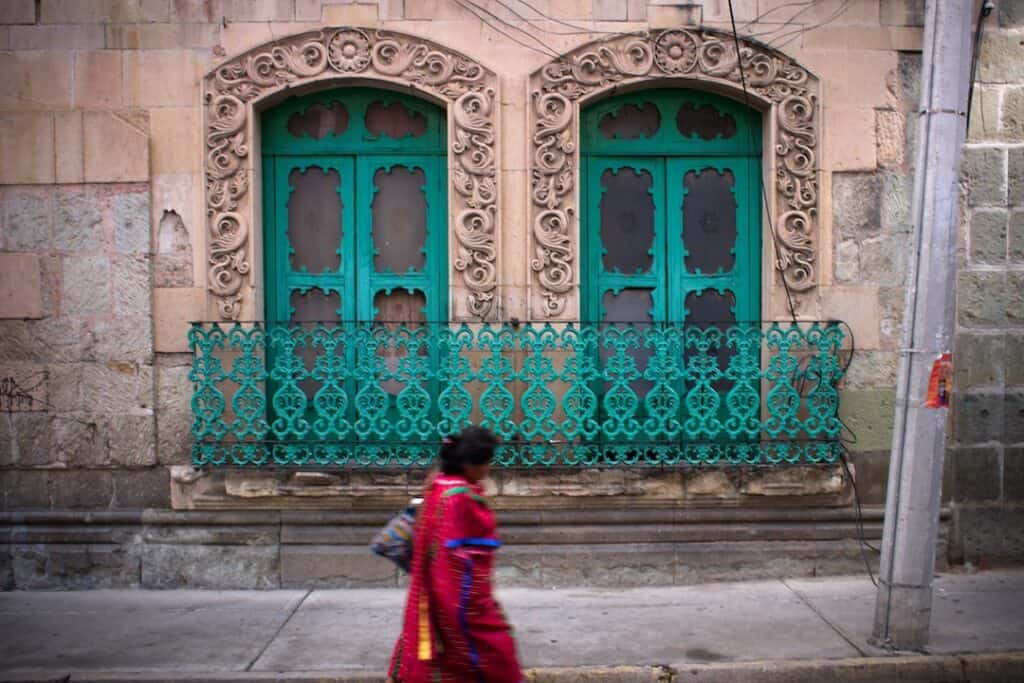
When it comes to exploring the diverse culture of Mexico, the city of Oaxaca is not to be missed. Located in the southern region of the country, Oaxaca is known for its colonial architecture, traditional art and crafts, and rich culinary history.
With just three days to spend in this vibrant city, planning the perfect itinerary can seem daunting. Fear not – we have put together a comprehensive guide that will help you make the most of your time in Oaxaca.
During this trip, you will experience the vibrant colors, flavors and sights of Oaxaca. You’ll explore the historic center of the city, delve into its rich culture and art scene, and venture out into the surrounding countryside to discover the natural beauty of the region.
But that’s not all. We’ll also introduce you to the exciting fiestas, festivals, and regional day-trips that will give you a more immersive experience of this magical Mexican city.
Whether you’re traveling solo or with a group, the following itinerary will provide you with a taste of everything that Oaxaca has to offer. So pack your bags, grab your camera, and get ready to fall in love with this enchanting city.
Experiencing Oaxacan Art, Culture, and Cuisine
After exploring the center of historic Oaxaca on the first day of your trip, day two promises to be equally exciting. Start your day early with a visit to the Museo de las Culturas de Oaxaca, where you can learn about the ancient Zapotec and Mixtec civilizations that once lived in the region. This museum is home to impressive collections of pre-Colombian artifacts, textiles, and other cultural treasures.
Next, head to the colorful Mercado Benito Juárez, where you can experience the hustle and bustle of a traditional Oaxacan market. Here you can find everything from fresh local produce to handmade crafts and textiles. As you explore the market’s winding aisles, be sure to stop by the vendors selling delicious Oaxacan cuisine, including tamales, chapulines (fried grasshoppers), and famous mole sauces.
In the afternoon, take a stroll through the beautiful Jardín Etnobotánico de Oaxaca, a botanical garden dedicated to preserving the region’s diverse plant and animal species. In addition to being an excellent educational resource, this garden is also a peaceful oasis in the middle of the bustling city.
No visit to Oaxaca would be complete without experiencing its vibrant arts scene. In the evening, catch a performance at the stunning Teatro Macedonio Alcalá, a restored 19th-century theater that regularly hosts dance, theater, and music events.
To cap off your day, visit one of the many mezcalerias in the city. Mezcal, a distilled alcoholic beverage made from the agave plant, is a regional specialty in Oaxaca. Sip on a flight of different mezcals and be sure to enjoy the traditional accompaniments, such as orange slices and sal de gusano (worm salt).
Fiestas & Festivals: Oaxaca’s Vibrant Celebration Scene
Oaxaca is known for its lively and colorful fiestas and festivals, which are held throughout the year and offer visitors a unique cultural experience. If you’re lucky enough to be in Oaxaca during one of these celebrations, you’ll be treated to a spectacle of music, dance, food, and drink that captures the spirit of this beautiful region.
Some of the biggest and most popular festivals in Oaxaca include the Day of the Dead celebrations in early November, when locals honor their deceased loved ones with colorful altars, parades, and traditional offerings. Another major event is the Guelaguetza, a two-week festival in July that showcases the art, dance, and music of the various indigenous groups that call Oaxaca home.
If you’re looking for a smaller and more intimate celebration, the town of Zaachila hosts a beautiful Day of the Dead festival that includes a procession to the local cemetery and an outdoor market selling traditional crafts and food. And for foodies, the annual mole festival in the nearby town of San Pedro Atocpan is a must-visit, where you can taste a variety of delicious mole sauces made from family recipes passed down through generations.
But perhaps the best thing about these festivals is the sense of community and joy that they bring to the people of Oaxaca. Joining in the celebrations is a wonderful way to connect with the local culture and make memories that will last a lifetime.
Just be aware that these festivals can be crowded and chaotic, so it’s important to plan ahead and stay safe. Bring plenty of water, wear comfortable shoes, and be prepared to surrender yourself to the lively atmosphere and vibrant energy that make Oaxaca’s fiestas and festivals such a special experience.
Exploring the Historic Center of Oaxaca
Oaxaca’s historic center is a place where Mexico’s rich indigenous heritage, colonial Spanish history, and contemporary culture converge. The city’s narrow cobblestone streets are lined with colorful colonial-era buildings, traditional markets, and art galleries. Be prepared to experience the city’s vibrant cultural scene and to sample some of the best cuisine in Mexico.
Start your journey by heading to Oaxaca’s main square, or Zócalo, surrounded by some of the city’s most iconic landmarks. Here you will find the impressive Cathedral of Oaxaca, which dates back to the 16th century and boasts an impressive Baroque façade. Take a stroll around the square to soak up the lively atmosphere and watch street performers and artisans at work.
From the Zócalo, make your way to the nearby Santo Domingo Church, considered by many to be Oaxaca’s most beautiful church. Its baroque façade and colorful dome are a sight to behold. Inside, you will find the Oaxaca Regional Museum, which houses an impressive collection of pre-Columbian artifacts and contemporary art.
Next, head to the nearby Museum of Contemporary Art, a former 18th-century convent that houses an impressive collection of contemporary Mexican art. From here, stroll down to Oaxaca’s bustling Benito Juarez Market, one of the largest in Mexico. Explore the colorful stalls selling everything from fresh fruit and vegetables to traditional handicrafts and textiles.
As lunchtime approaches, head to one of the nearby local eateries to sample some of the city’s delicious cuisine. Try tlayudas, oversized tortillas topped with beans, cheese, and meat, or sample some of the region’s famous mole sauce, a rich and complex sauce made from chili peppers, nuts, and chocolate.
After lunch, head to the Museum of Oaxacan Cultures, housed in a former monastery. Here you will find an extensive collection of artifacts related to the city’s indigenous cultures, including textiles, pottery, and ancient Zapotec writing.
As the sun sets, wander through the historic streets, taking in the sights and sounds of Oaxaca’s vibrant cultural scene. With live music, dance performances, and street vendors selling traditional snacks, the atmosphere in the historic center is electric.
Finish your day with a visit to the Ethnobotanical Garden, a tranquil oasis in the heart of the city. The garden boasts an impressive collection of local plants and herbs, showcasing the rich biodiversity of the region and the deep relationship between Oaxacan people and the natural world.
Discovering the Natural Beauty of Oaxaca
Oaxaca is a state in southern Mexico with a diverse range of natural landscapes, including mountains, canyons, forests, and beaches. On the third day of your trip, we recommend exploring some of the most beautiful natural attractions in the area.
One must-see destination is Hierve el Agua, a stunning natural wonder just outside of Oaxaca city. Hierve el Agua is a series of petrified waterfalls and mineral springs that bubble up from the ground, creating natural infinity pools with breathtaking views of the surrounding valleys and mountains. It’s a unique and tranquil place to spend a morning or afternoon swimming, hiking, and taking photos.
Another great option is to visit the Monte Albán archaeological site, located about 10 kilometers from Oaxaca city. Monte Albán was a pre-Columbian city built by the Zapotec civilization around 500 BC. It’s situated on a hilltop and surrounded by incredible panoramic views of the valley below. Walking through the ruins, you can imagine what life was like for the Zapotec people and marvel at their impressive architecture and engineering skills.
If you’re looking for a more adventurous experience, we suggest taking a trip to the Sierra Norte mountains, where you can go hiking, zip-lining, and camping. The Sierra Norte is known for its pristine forests, waterfalls, and wildlife, and it’s a great place to escape the city and connect with nature.
For beach lovers, the state of Oaxaca is home to some of the most beautiful beaches in Mexico. One of the closest options to Oaxaca city is Puerto Escondido, a sleepy fishing village turned surf hotspot on the Pacific Coast. Whether you’re a seasoned surfer or a beginner, you can find a wave to catch and enjoy the laid-back beach vibe.
No matter what natural wonders you decide to explore on your third day in Oaxaca, we guarantee you’ll leave with a deeper appreciation for the beauty and diversity of Mexico’s landscapes.
Beyond Oaxaca: Regional Day Trips and Excursions
While Oaxaca has plenty to offer, the surrounding region is also rich in culture, history, and natural beauty that is well worth exploring. Here are some suggested day trips and excursions:
1. Hierve el Agua: This natural wonder features petrified waterfall-like structures and mineral springs pools, providing a perfect spot for a refreshing swim and scenic picnic. It’s located about 1.5 hours from Oaxaca City.
2. Monte Albán: A UNESCO World Heritage site, Monte Albán ancient ruins are located on a hilltop just outside Oaxaca City. This pre-Columbian archeological site dates back to around 500 BC and was the capital of the Zapotec civilization.
3. Mitla: Known for its intricate and well-preserved Mesoamerican buildings, Mitla is a must-see for those interested in ancient history and architecture. It’s located just 45 minutes from Oaxaca City.
4. Teotitlán del Valle: This small village is famous for its traditional weaving techniques and natural dyeing processes, using pigments derived from local plants. Visitors can observe and learn about the process, as well as purchase handmade rugs, blankets, and other textiles.
5. Mezcal Tasting Tour: Oaxaca is known for its high-quality mezcal, a distilled alcoholic beverage made from the agave plant. There are several distilleries in and around Oaxaca that offer tours and tastings of different types of mezcal, including those made from wild agave species.
These are just a few of the many possibilities for exploring beyond Oaxaca City. Transportation options include hiring a private driver, taking a taxi or colectivo (shared taxi), or joining a guided tour.
Planning Your Next Visit: Insider Tips and Local Suggestions
After experiencing Oaxaca’s rich culture, delicious cuisine, and breathtaking natural beauty, it’s hard not to want to plan your next visit right away. Here are some insider tips and local suggestions to make the most out of your next trip:
First and foremost, consider timing your trip around one of Oaxaca’s many festivals or cultural celebrations. From the Day of the Dead to the Guelaguetza, these events offer a unique and immersive experience that’s not to be missed.
When it comes to accommodations, many visitors opt to stay in the historic center of Oaxaca, where charming colonial buildings and lively street markets abound. However, if you’re looking for a more peaceful retreat, consider staying in one of the nearby pueblos mágicos (magical towns) such as Capulálpam de Méndez or San José del Pacífico.
For those interested in outdoor adventures, a visit to the stunning Hierve el Agua is a must. These petrified waterfalls and crystal-clear pools are located about 70 kilometers east of Oaxaca and offer plenty of opportunities for hiking, swimming, and photography.
No trip to Oaxaca would be complete without indulging in some of the region’s famous cuisine. Don’t be afraid to venture off the beaten path and try some of the local street food, such as tlacoyos or tlayudas. For a more upscale dining experience, head to restaurant Casa Oaxaca, which offers a creative and contemporary take on traditional Oaxacan dishes.
Finally, make sure to take some time to explore the region’s artisanal markets, where you can find everything from handmade textiles and ceramics to intricate alebrijes (colorful carved wooden figures). Some of the best markets include the Sunday market in Tlacolula and the Benito Juarez Market in central Oaxaca.
With these tips and suggestions in mind, you’ll be well on your way to planning another unforgettable trip to Oaxaca. ¡Hasta pronto! (See you soon!)
Conclusion
Oaxaca is a captivating destination that offers a unique blend of history, culture, nature, and celebrations. With three days, you can get a glimpse of everything that Oaxaca has to offer, but it is just enough to leave you wanting more.
Exploring the Historic Center of Oaxaca is a must-see for any visitor. You can witness the city’s rich history, architecture, and lifestyle. However, it is also essential to immerse yourself in the culture, art, and cuisine of the region, which is why spending Day 2 experiencing Oaxacan Art, Culture, and Cuisine is a must-do.
Day 3 is all about discovering the natural beauty of Oaxaca, which is a perfect way to unwind after immersing yourself in the culture and nightlife of the city. You can explore the stunning natural wonders of the region and make the most of the opportunities to relax and unwind in one of the famous spa towns.
If you have more time, exploring the Regional Day Trips and Excursions Beyond Oaxaca is an excellent way to experience more of the region’s history, nature, and culture. The vibrant celebration scene of Oaxaca also makes it the perfect place to plan your visit around one of the many fiestas and festivals.
In conclusion, Oaxaca is an exciting destination that caters to all types of travelers. With its rich history, culture, and natural beauty, there is always something new to discover every time you visit. Plan your next visit with these insider tips and local suggestions to make the most of your experience in Oaxaca.


