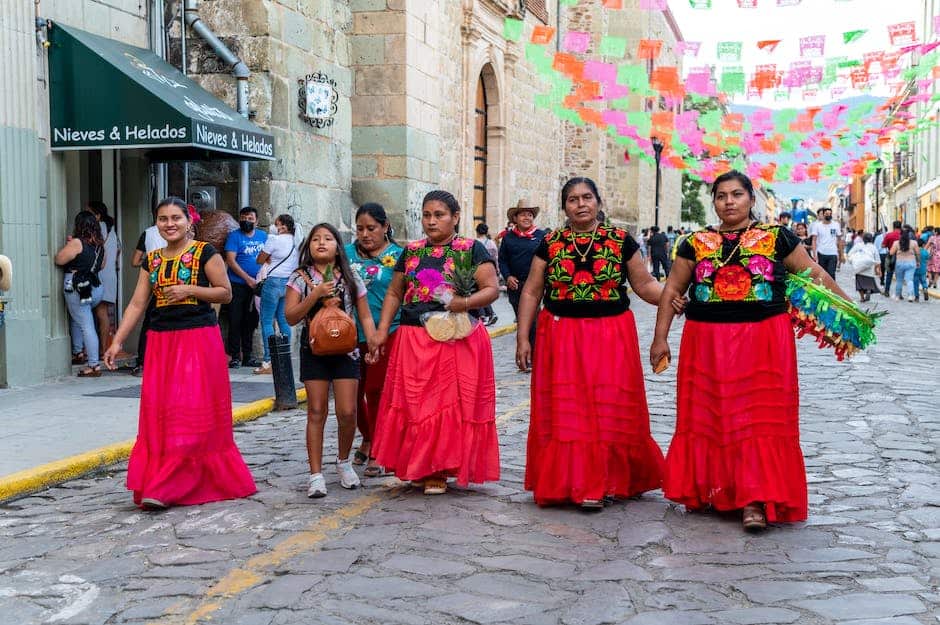
Oaxaca is a Mexican state known for its rich indigenous culture, vibrant art, and vibrant cuisine. The city of Oaxaca, the state capital, is at the heart of the region’s charm. It’s a UNESCO World Heritage Site with stunning architecture, including brightly colored buildings, charming cobblestone streets, and ancient temples.
The historic district of Oaxaca is a gem that boasts a unique blend of Spanish and indigenous influences. The colonial era’s architecture entwined with the native traditions and beliefs make the district a fascinating place to visit. The district’s historical landmarks include the Basilica de la Soledad, the Santo Domingo church, and the Macedonio Alcala Theater.
The historic district isn’t just a place for sightseeing; visitors can participate in the city’s lively traditions that honor its indigenous roots. Oaxaca is known for its unique food and drink, including moles, tlayudas, and mezcal, and visiting its bustling markets is an excellent way to experience it. Exploring the streets and neighborhoods of Oaxaca’s historic district is the perfect way to see the city’s unique charm. You can hop on a bike tour, join a walking tour, or stroll at your own leisurely pace.
Visiting Oaxaca’s historical district is sure to take you on a journey through Mexico’s rich history and culture. Whether you’re interested in architecture, art, or food, you’ll find something to love here. So pack your bags, grab your camera and head to Oaxaca to explore this hidden gem!
A Walk Through Time: Discovering the Architecture of Oaxaca’s Historic District
As one of the most intact colonial cities in Mexico, Oaxaca’s historic district is an enchanting mix of ornate colonial architecture and indigenous influence. A stroll through the cobblestone streets will take you on a journey through time, exposing you to the rich architectural heritage of the region.
One of the most striking buildings in Oaxaca is the Santo Domingo church. The intricate Baroque facade is adorned with lavish carvings and statues, making it a masterpiece of colonial-era architecture. The interior is equally as impressive, with gold-plated altars and delicate frescoes that tell the story of the region’s religious and cultural history.
For a glimpse into the blend of indigenous and Spanish influences in Oaxacan architecture, stop by the Palacio de Gobierno. Built in the 1700s, the building boasts grand arches and intricate detailing, but its main draw is the impressive murals by famous Oaxacan artist, Rufino Tamayo. Tamayo’s murals depict the history of Oaxaca, from pre-colonial times to the present day, offering insight into the cultural and political evolution of the region.
Another noteworthy building is the Ex-Convento de Santo Domingo. Originally built in the 16th century, this convent showcases intricate stonework and a tranquil courtyard, providing a serene escape from the bustling streets of the city. Here, you can explore the unique chapels and admire the architecture that represents the cultural mix of the colonial era.
The Church of La Compañía de Jesus also deserves a visit. Known for its vibrant yellow facade, it is considered one of the most beautiful churches in Oaxaca. The church was built in the 16th century, with a mix of Baroque and indigenous design elements. Step inside to view the original artwork adorning the walls and ceiling, and relish the intricate craftsmanship that went into every detail of this colonial-era masterpiece.
No visit to Oaxaca’s historic district is complete without a stop at the Casa de los Azulejos – a grand 18th-century mansion covered in blue and white tiles, lovingly restored to its original grandeur. The intricate tilework on the facade sets the scene for a stunning interior, with grand staircases and soaring rooms that transport you back in time.
Embark on a cultural journey through Oaxaca’s historic district, and uncover the region’s fascinating architectural heritage. From Baroque-style churches to colorful colonial mansions, the region offers an architectural legacy that is sure to captivate any visitor.
Tasting Tradition: Sampling Traditional Cuisine in Oaxaca’s Market District
Oaxaca’s cuisine is a feast for the senses, and nowhere is it more vibrant than in the bustling market district. From the bright colors of the fresh produce to the aroma of slow-cooking stews, every corner offers a unique culinary experience.
One of the most iconic dishes of Oaxacan cuisine is mole. This rich, complex sauce made of dozens of ingredients, including chili peppers, nuts, and chocolate, is served over chicken or pork, and can be tasted in almost every market stall and restaurant in the district.
Another must-try dish is tlayudas, a type of Mexican pizza made of a large, crispy tortilla topped with beans, meat, cheese, and vegetables. These are usually cooked to order on a wood-fired grill, which lends a distinctive smoky flavor to the ingredients.
For those who are feeling adventurous, chapulines, or fried grasshoppers, are a traditional snack in Oaxaca. These crunchy treats are usually seasoned with salt, lime, and chili powder, and are a great way to try a unique and unexpected ingredient.
Of course, no visit to the market district would be complete without sampling some of Oaxaca’s famous mezcal. This distilled spirit made from agave is often served neat, with a slice of orange and a sprinkle of worm salt – a traditional companion made from ground chili peppers and toasted worms.
Visitors to the market district will also find a wide range of sweets and baked goods to satisfy their sweet tooth. From traditional churros and pan dulce to the more unusual tastes of candied pumpkin and sweet potato, there’s something for everyone to enjoy.
Whether you’re a foodie or just looking for a memorable culinary experience, the market district of Oaxaca is a must-visit destination. With its vibrant colors, bold flavors, and warm hospitality, it’s a feast for both the senses and the soul.
Artisanal Treasures: Exploring Oaxaca’s Rich Textile and Craft Tradition
Oaxaca’s rich artisanal tradition is one of the main draws for tourists visiting the region. From beautiful textiles to intricate pottery, there is no shortage of unique handmade crafts to discover. A great place to start is the Mercado de Artesanías, the artisan’s market, where you can find a wide variety of crafts from around the state all in one place.
The market is a feast for the senses with bright colors and intricate designs adorning every stall. The textiles on offer are particularly impressive with a range of wools, cottons, and silks to choose from. Hand-woven rugs, shawls, and tapestries are just a few of the items you can find.
One of the most fascinating types of crafts in Oaxaca is the traditional pottery made by indigenous communities. Each piece is unique and is crafted using techniques that date back centuries. You can watch the artisans work their magic at numerous workshops in the town of Santa Maria Atzompa, just outside of Oaxaca City.
The black pottery from San Bartolo Coyotepec is another must-see. The technique used to create this dark, glossy finish has been passed down through generations of Zapotec families.
For something truly special, head to the village of Teotitlán del Valle, where you can witness the ancient art of weaving rugs using natural dyes. Traditional methods of spinning, carding, and dyeing the wool are still used here today.
Whether you are looking for a beautiful keepsake to take home or just want to explore the rich artisan culture of Oaxaca, there is something for everyone to discover. From intricate pottery to colorful textiles, the region’s crafts represent centuries of tradition and history.
Day Tripping: Discovering the Nearby Ancient Ruins of Monte Alban
Located just a few miles from the historic district of Oaxaca city, Monte Alban is one of the most important archeological sites in Mexico. This ancient city was built by the Zapotec civilization around 500 BC and inhabited for over a thousand years. Its location on a mountaintop provides visitors with spectacular views of the valley below.
The city is filled with impressive architectural structures, including the Great Plaza, where important ceremonies and rituals were held. The Ball Court is another notable structure, with its carved reliefs and unique shape. Visitors can also explore the remarkable stone-carved tombs that were discovered on the site.
Monte Alban is also significant for its artistic and cultural legacy. The site has a museum with an impressive collection of artifacts, including pottery, figurines, and jewelry. These items offer insight into the daily lives of the people who once lived in Monte Alban and provide a fascinating glimpse into ancient Zapotec culture.
Exploring the ancient ruins of Monte Alban is an unforgettable experience that offers visitors a unique perspective on Mexico’s rich history. Visitors can take guided tours or explore the site on their own. There are also various vendors selling local handicrafts and traditional food, making it a great day trip for those looking to immerse themselves in Oaxaca’s unique culture.
Monte Alban is a must-visit destination for history enthusiasts, archeology buffs, and anyone interested in immersing themselves in Mexico’s rich cultural heritage. Its incredible ruins and artifacts are a testament to the creativity and ingenuity of the people who once inhabited this remarkable site.
Religious Roots: Unraveling the Sacred History of Oaxaca’s Ancient Churches
Oaxaca is home to some of the most beautiful and historic churches in Mexico. The architecture, art, and history of these churches are a reflection of the region’s rich cultural heritage. Visitors to the city can take a journey through time by exploring the mysterious and awe-inspiring churches that dot the landscape of Oaxaca’s historic center.
One of the most remarkable churches in Oaxaca is the Templo de Santo Domingo de Guzmán. This baroque-style church is a masterpiece of architecture and decoration, boasting ornate gold leaf altarpieces, intricate carvings, and beautiful frescoes. Visitors can explore the church’s museum, which houses an impressive collection of pre-Hispanic artifacts, religious art, and silverwork. Guidance is available for visitors to know about the church’s history, the religious significance of its artifacts, and the traditional ceremonies and customs that have been passed down through the ages.
The Cathedral of Oaxaca is another must-see church for lovers of architecture and history. The cathedral was built in the 16th century on the site of a former Aztec temple, and it serves as a testament to the city’s long and complex history. The cathedral’s ornate Baroque façade, vaulted ceilings, and beautiful altarpieces make it one of the most impressive churches in Mexico. Visitors are invited to attend mass or simply enjoy the peaceful atmosphere and stunning architecture.
The Iglesia de La Compañía is another church that should not be missed. The church, which was built in the 16th century, is a prime example of Churrigueresque architecture. The façade of the church is adorned with intricate stonework, and the interior houses magnificent frescoes, statues, and gold-leaf altarpieces. Visitors can take guided tours to learn about the history and architecture of this stunning church.
The churches of Oaxaca are not only impressive architectural feats, but they also serve as a window into the city’s rich cultural heritage. The churches are an integral part of the city’s religious and cultural life, and they offer visitors a unique perspective on Oaxaca’s fascinating history.
Celebrating Culture: Joining Festivals and Celebrations in Oaxaca’s Historic District
Oaxaca is a state with a rich cultural heritage, and its historic district is the perfect place to celebrate it. Throughout the year, various festivals and celebrations take place that reflect the traditions and customs of the local community.
One such celebration is the Day of the Dead, a UNESCO-recognized tradition that takes place on November 1st and 2nd. The streets of the historic district are filled with colorful altars, marigold flowers, and delicious food offerings for deceased loved ones. Visitors can join in the celebrations by taking a night tour of the cemeteries or participating in a spiritual cleansing ritual with a local shaman.
The Guelaguetza festival is another signature event in Oaxaca, held on the last two Mondays of July. It features traditional dances, music, and costumes from the different regions of the state. Visitors can enjoy delicious food and purchase locally made handicrafts at the artisanal market. Guelaguetza is a celebration of the state’s indigenous cultures, and it is a must-attend event for anyone interested in learning about Mexico’s diverse cultural heritage.
The Radish Night festival is a unique holiday that takes place annually on December 23rd. The event features elaborate sculptures made out of radishes, depicting biblical or historical scenes. Visitors can enjoy food and drinks while admiring the intricate and colorful displays in the main square of Oaxaca’s historic district.
The Mazunte International Film Festival is another must-see event for film enthusiasts and cultural aficionados alike. It takes place every year in June and features independent films from around the world, along with workshops, concerts, and art exhibitions. Visitors can connect with like-minded individuals and filmmakers, learn about the latest trends in world cinema, and enjoy the scenic beaches of Mazunte.
Other cultural events in Oaxaca’s historic district include the Oaxaca Film Fest, the Oaxaca Textile Museum Fair, and the Night of the Radishes. No matter when you visit Oaxaca, there is always a celebration going on, and it is the perfect opportunity to join the locals in celebrating their rich cultural traditions.
Conclusion
In conclusion, exploring the historic district of Oaxaca is a true feast for the senses. From the stunning architecture that reflects the city’s rich cultural heritage, to the mouth-watering cuisine and intricate handcrafted textiles, Oaxaca is a destination that truly has it all.
Visitors can immerse themselves in the sacred history of the city’s ancient churches or take a day trip to the nearby ruins of Monte Alban. And if timing permits, joining in on the various festivals and celebrations in the historic district is a wonderful way to experience Oaxacan culture.
Throughout it all, visitors will be greeted with warm hospitality and a deep sense of pride in the city’s traditions. Oaxaca’s unique blend of indigenous and Spanish colonial influences is truly unforgettable.
Whether it’s the colorful markets, the charming cobblestone streets, the vibrant festivals or the delicious cuisine, exploring the historic district of Oaxaca is bound to leave a lasting impression on any traveler. It’s truly a gem of Mexico that should not be missed.


