The Parisian Art Scene: A Guide to Galleries and Exhibitions
Welcome to the vibrant world of the Parisian art scene. Paris, widely recognized as a global capital of art, has a rich and diverse history of artistic movements, groundbreaking exhibitions, and influential artists. This blog post aims to be your comprehensive guide to exploring the art galleries and exhibitions that make up this captivating scene.
From the enchanting streets of Montmartre to the iconic Louvre Museum, Paris offers a multitude of artistic experiences that will leave art enthusiasts in awe. We will embark on a journey through time, starting with a historical overview of how the Parisian art scene evolved through the ages.
Step back in time to the Impressionist movement, which revolutionized the art world with its emphasis on capturing fleeting moments and natural light. Discover the key artists and influences that shaped this iconic period in art history.
We will then delve into the birth of modern art movements, including Cubism, Surrealism, and Dadaism. Uncover the artists who defied traditional artistic norms and challenged viewers’ perception of reality.
No exploration of the Parisian art scene would be complete without a visit to the Montmartre district, known as a hub for bohemian artists. Immerse yourself in the spirit of this historic neighborhood, which has been an inspiration for countless artists throughout the years.
Of course, no guide to the Parisian art scene would be complete without mentioning the world-famous Louvre Museum. Home to thousands of masterpieces, it is a must-visit destination for any art lover.
We will also venture beyond the traditional gallery spaces and explore the contemporary art scene in Paris. Uncover the avant-garde exhibitions and unconventional pop-up displays that showcase the cutting-edge art of today.
From vibrant street art to innovative urban installations, Paris offers a diverse range of artistic expressions. Discover the city’s captivating urban art scene and witness how street artists have transformed the city’s walls into public art galleries.
Additionally, we will shed light on the galleries in Paris that promote multicultural art, celebrating diversity and offering a platform for artists from various backgrounds to showcase their talent.
Lastly, we will explore alternative art forms in Paris, going beyond traditional canvases to discover installations, sculptures, performance art, and more.
Get ready for an unforgettable journey through the fascinating world of the Parisian art scene. Whether you’re a seasoned art aficionado or a curious visitor, this guide will provide you with the knowledge and inspiration to navigate the galleries and exhibitions of this vibrant city.
The Evolution of Art in Paris: A Historical Overview
The city of Paris has long been regarded as one of the world’s artistic capitals, with a rich history that dates back centuries. From the Renaissance to the present day, the art scene in Paris has undergone a fascinating evolution that continues to influence the global art landscape.
During the Renaissance, Paris emerged as a vibrant hub of artistic activity. The era saw the rise of prominent painters such as Jean Fouquet and François Clouet, who brought a newfound realism to their portraiture. The city’s royal patronage attracted talented artists from across Europe, further fueling the creative fervor.
In the 18th century, Paris became a hub for neoclassicism, with artists embracing the ideals of ancient Greece and Rome. Painters such as Jacques-Louis David created grand historical and mythological works that celebrated the Enlightenment and the French Revolution. Parisian salons also played a significant role in fostering artistic discourse and showcasing new talent.
However, it was in the 19th century that Paris truly established itself as an art epicenter. The emergence of Impressionism, led by renowned artists such as Claude Monet and Pierre-Auguste Renoir, revolutionized the art world. Departing from traditional techniques, these artists sought to capture the fleeting effects of light and atmosphere. Their works, exhibited in independent shows, challenged the established art establishment and sparked heated debates.
As the 20th century unfolded, Paris continued to lead the way in pushing artistic boundaries. The city became a breeding ground for avant-garde movements like Cubism, spearheaded by Pablo Picasso and Georges Braque. The Surrealist movement, led by André Breton, André Masson, and Salvador Dalí, emerged as a profound exploration of the unconscious mind and dreams.
Post-World War II, Paris witnessed the rise of abstract expressionism, with artists like Jean Dubuffet and Pierre Soulages making their mark. The city also became a focal point for contemporary artists experimenting with new mediums and concepts, ranging from performance art to video installations. Today, Paris remains a captivating destination for art enthusiasts, with its world-class museums, galleries, and vibrant art scene.
Impressionism Takes Center Stage: Key Artists and Influences
The emergence of Impressionism in the 19th century marked a significant shift in the art scene of Paris. This innovative art movement had a lasting impact on the course of art history, challenging traditional techniques and subject matter. Impressionist artists aimed to capture fleeting moments, emphasizing the play of light and color.
One of the key pioneers of Impressionism was Claude Monet. His groundbreaking works like “Impression, Sunrise” showcased loose brushwork and a focus on capturing the essence of a scene rather than intricate details. Monet’s approach paved the way for other prominent Impressionist artists who took center stage in Paris.
Edgar Degas, known for his depictions of ballet dancers and everyday life, employed unique compositions and a keen observation of movement. His use of unconventional angles and crop scenes added a fresh perspective to the art world.
Berthe Morisot, one of the few female Impressionists, captured intimate moments of women and children with a delicate touch. Her paintings often had a domestic setting, providing a glimpse into the private lives of her subjects.
Édouard Manet, while not an official member of the Impressionist group, played a crucial role in shaping the movement. His bold and controversial works, such as “Olympia” and “Le Déjeuner sur l’herbe,” challenged societal norms and paved the way for future experimentation in art.
Impressionism was greatly influenced by the changing world of the era. The Industrial Revolution led to progress and urbanization, inspiring artists to explore new subject matter such as cityscapes and bustling streets. The expansion of railways allowed artists to venture out into the countryside, capturing the beauty of nature in a rapidly changing world.
Moreover, Japanese woodblock prints, with their flattened perspectives and emphasis on the natural world, were highly influential on Impressionist artists. The use of vibrant colors and asymmetrical compositions became prominent features of this art movement.
Overall, Impressionism marked a turning point in the Parisian art scene. It challenged the established norms, celebrated the fleeting beauty of everyday life, and sparked a new way of looking at the world. The influence of Impressionism continues to resonate in art today, reminding us of the revolutionary spirit of these remarkable artists.
The Birth of Modern Art Movements: Cubism, Surrealism, and Dadaism
The early 20th century in Paris witnessed the birth of revolutionary art movements that forever changed the course of artistic expression. Among the most influential were Cubism, Surrealism, and Dadaism, each offering a unique perspective on reality, imagination, and the boundaries of traditional art.
Cubism, pioneered by Pablo Picasso and Georges Braque, emerged around 1907 as a rejection of traditional perspective and representation. Breaking objects down into geometric forms and reassembling them in innovative ways, Cubist artists aimed to depict multiple viewpoints and dimensions simultaneously, challenging the viewer’s perception and understanding of reality.
Simultaneously, the Dada movement emerged in response to the horrors of World War I, aiming to dismantle societal conventions and traditional artistic norms. Championing absurdity, irrationality, and spontaneity, Dada artists such as Marcel Duchamp and Tristan Tzara rejected logical explanations and embraced chance and randomness in their creations.
Surrealism, spearheaded by André Breton, arose in the 1920s as a means to explore the unconscious mind and unleash the power of dreams. Influenced by Freudian psychoanalysis, Surrealist artists like Salvador Dalí and René Magritte sought to bridge the gap between reality and fantasy, creating dreamlike and often bizarre imagery that challenged societal norms and perception.
These avant-garde art movements not only revolutionized the way art was created but also deeply influenced other disciplines such as literature, poetry, and cinema. The Cubist, Surrealist, and Dadaist artists pushed the boundaries of conventional aesthetics, embracing unconventional materials, techniques, and subject matter.
Paris became the epicenter of these groundbreaking movements, attracting artists from all over the world who sought to contribute to and be inspired by the city’s vibrant and progressive art scene. The city’s prestigious galleries and artistic gatherings provided platforms for artists to showcase their bold experiments, sparking conversations and debates that ripples through the art world.
Although these movements emerged a century ago, their impact can still be felt today in contemporary art. The philosophies and techniques developed by Cubism, Surrealism, and Dadaism have influenced subsequent generations of artists who continue to challenge expectations, redefine traditions, and explore the limitless possibilities of artistic expression.
Exploring the Montmartre District: A Hub for Bohemian Artists
The Montmartre district in Paris has long been regarded as a vibrant and creative hub for bohemian artists. Nestled on a hill in the northern part of the city, Montmartre’s captivating charm has attracted countless painters, writers, and musicians throughout history.
One of the district’s defining features is its picturesque streets, lined with charming cafés, art studios, and iconic landmarks. Artists such as Pablo Picasso, Vincent van Gogh, and Henri de Toulouse-Lautrec once roamed these very streets, seeking inspiration and camaraderie among fellow creatives.
The famous Le Bateau-Lavoir, an old and dilapidated building turned artistic commune, served as a meeting place for avant-garde artists in the late 19th and early 20th centuries. It was here that revolutionary art movements such as Cubism and Surrealism began to take shape, forever altering the course of modern art.
No visit to Montmartre would be complete without a stop at the iconic Sacré-Cœur Basilica, perched at the summit of the hill. This stunning white-domed masterpiece offers breathtaking panoramic views of the city and serves as a symbol of spiritual inspiration for artists and visitors alike.
Montmartre is also home to the legendary Moulin Rouge, a cabaret that has captivated audiences with its extravagant performances since the late 19th century. The vibrant energy and artistic spirit of this historic venue continue to inspire performers and visitors who seek a taste of the district’s bohemian charm.
Today, Montmartre remains a thriving artistic center, with numerous art galleries and studios dotting its narrow streets. Visitors can explore these creative spaces, witness artists at work, and even purchase unique pieces to take home as souvenirs.
The district’s artistic legacy is celebrated in various museums, such as the Musée de Montmartre, which houses a collection of artwork by renowned Montmartre artists and provides insights into their lives and inspirations.
As you wander through the Montmartre district, you’ll encounter street artists creating captivating portraits, bustling markets offering unique crafts, and an overall atmosphere that exudes creativity and artistic expression at every turn.
Whether you’re an art enthusiast or simply in search of a place that captures the bohemian essence of Paris, Montmartre is sure to leave a lasting impression on your artistic soul.
The Iconic Louvre Museum: A Paradise for Art Connoisseurs
The Louvre Museum in Paris stands as an iconic symbol of art and culture, enticing art connoisseurs from around the world to immerse themselves in its rich collection. Spanning over 800 years of artistic history, this magnificent museum offers visitors a unique opportunity to witness masterpieces spanning different art movements and civilizations.
As visitors step into the vast halls of the Louvre, they are immediately greeted by the renowned Mona Lisa, captivating viewers with her enigmatic smile. This masterpiece by Leonardo da Vinci is just one of the many treasures that lie within the museum’s expansive collection.
Exploring the Louvre is like embarking on a journey through time. Ancient Egyptian artifacts, including the famous Sphinx, provide a glimpse into the life and beliefs of one of the world’s earliest civilizations. Moving through the galleries, visitors encounter classical Greek and Roman sculptures, showcasing the impeccable craftsmanship of these ancient cultures.
The Louvre’s collection also features art from the Renaissance period, with works by renowned artists such as Michelangelo and Raphael. These masterpieces illustrate the rebirth of artistic expression and the pursuit of beauty and harmony during a time of great cultural transformation.
One cannot overlook the influence of French art within the Louvre’s walls. The museum proudly houses works by French painters, including Jacques-Louis David, Édouard Manet, and Eugène Delacroix. These paintings reflect the changing styles and subjects that defined different periods in French art history.
Beyond painting and sculpture, the Louvre showcases an extensive selection of decorative arts, including furniture, ceramics, and textiles. These objects offer a glimpse into the opulence and intricacy of design throughout various eras, from the lavishness of the Baroque period to the simplicity of Art Nouveau.
While the Louvre is undeniably a paradise for art enthusiasts, it is essential to plan a visit strategically to fully appreciate its vast collection. Navigating the museum’s many rooms and corridors can feel overwhelming, so it is recommended to prioritize the artworks and periods of interest beforehand.
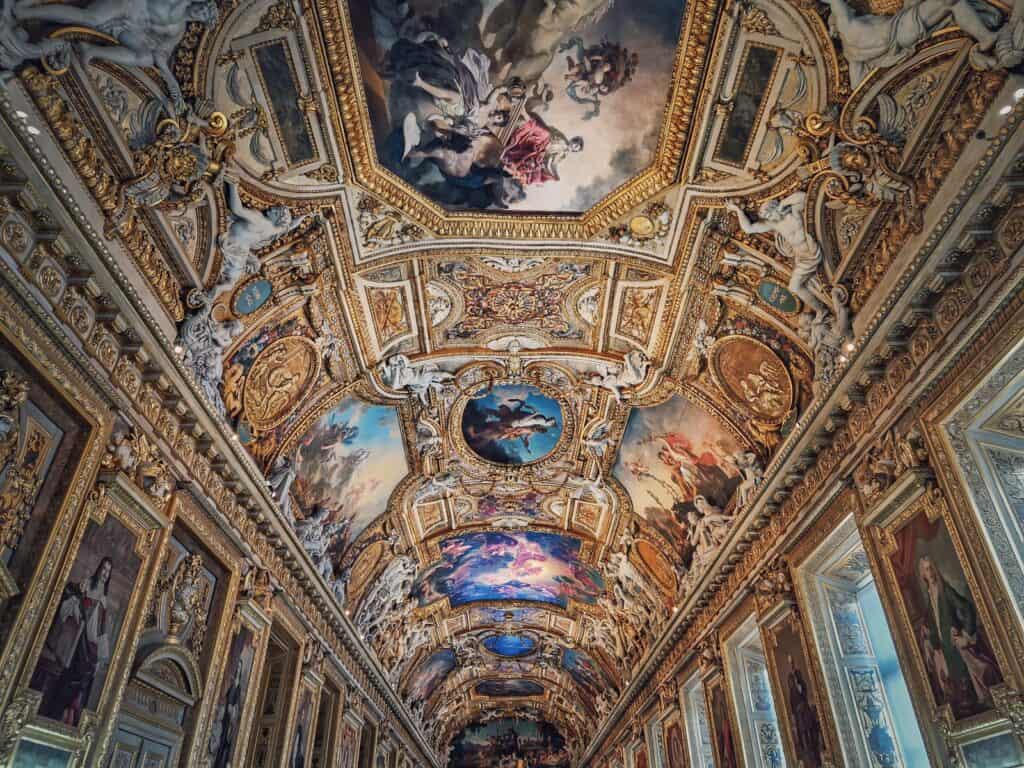
The Louvre Museum is not only a sanctuary for art but also an architectural marvel. Housed in the historic Louvre Palace, visitors are treated to grand halls adorned with stunning ceilings and intricate details that add to the overall experience of artistic immersion.
A visit to the Louvre Museum is a pilgrimage for art connoisseurs and a testament to the enduring power and beauty of human creativity. With its diverse and awe-inspiring collection, the Louvre remains an unparalleled destination for those seeking to explore the world of art and its everlasting impact.
Contemporary Art Galleries: Unveiling the Avant-Garde in the 21st Century
The art world is constantly evolving, and nowhere is this more evident than in the contemporary art galleries of Paris. These vibrant spaces are at the forefront of artistic innovation, showcasing the works of avant-garde artists who challenge traditional norms and push the boundaries of creativity.
One such gallery is the prestigious Galerie XYZ, known for its commitment to promoting cutting-edge art forms. Here, visitors can immerse themselves in installations that combine various mediums and explore unconventional themes. The gallery’s rotating exhibitions constantly introduce fresh perspectives and engage viewers in thought-provoking ways.
Another notable destination for contemporary art enthusiasts is the Maison de l’Art Moderne. With its sleek design and impressive collection of modern artwork, this gallery provides an immersive experience for visitors. From bold abstract paintings to interactive digital installations, the Maison de l’Art Moderne showcases the diverse expressions of today’s artists.
For those seeking a more experimental and interdisciplinary approach to contemporary art, the Studio 123 is a must-visit. Blurring the boundaries between art, technology, and performance, this gallery hosts multimedia exhibitions that challenge traditional definitions of art. Through installations, virtual reality experiences, and live performances, Studio 123 offers a glimpse into the future of artistic expression.
While exploring the myriad of contemporary galleries in Paris, art enthusiasts will also come across the Galerie Saint-Germain. This gallery has gained a reputation for discovering emerging talents and promoting their works to a wider audience. From thought-provoking sculptures to bold mixed-media creations, the Galerie Saint-Germain provides a platform for promising artists to make their mark in the art world.
In addition to established galleries, Paris is also home to a flourishing street art scene. The city’s streets and alleys serve as an open-air gallery, showcasing the works of renowned street artists such as Banksy and Invader. These anonymous and often politically charged creations add another layer of dynamism to Paris’ contemporary art landscape.
With its diverse range of contemporary art galleries, Paris continues to be a beacon for those seeking to delve into the avant-garde. Whether you’re a seasoned art connoisseur or simply someone who appreciates bold and unconventional expressions, these galleries offer a window into the ever-evolving world of contemporary art.
Unconventional Spaces: Unique Pop-Up Exhibitions in Paris
When it comes to experiencing art in Paris, the city offers more than just traditional museums and galleries. One of the most exciting trends in the Parisian art scene is the emergence of pop-up exhibitions held in unconventional spaces. These temporary showcases provide a fresh and dynamic approach to art, challenging the boundaries of traditional exhibition spaces.
From abandoned warehouses and disused factories to street corners and outdoor parks, pop-up exhibitions in Paris are known for transforming unexpected locations into vibrant art hubs. Artists and curators often use these unconventional spaces as a means to engage with the public on a more intimate level, breaking away from the formality of traditional gallery settings.
What distinguishes pop-up exhibitions from traditional art venues is their ephemeral nature. These exhibitions are often transient, existing only for a short period of time before moving on to another location. This evokes a sense of urgency and exclusivity, as visitors must seek out and make the most of the limited time frame to experience these unique art events.
Pop-up exhibitions also provide a platform for emerging artists to gain exposure and connect with a wider audience. These unconventional spaces often attract a diverse crowd, including art enthusiasts, collectors, and curious individuals looking for an alternative art experience. The absence of traditional restraints allows artists to experiment with their work, pushing boundaries and showcasing their creativity in new and exciting ways.
One of the advantages of pop-up exhibitions is their ability to create a unique atmosphere and ambiance. By utilizing unconventional spaces, artists and curators have the opportunity to curate immersive experiences that elicit emotional and sensory responses from visitors. From interactive installations to multimedia showcases, these pop-up exhibitions leave a lasting impression.
Furthermore, the dynamic nature of pop-up exhibitions adds an element of surprise and discovery to the art scene in Paris. As the locations constantly change, art enthusiasts are encouraged to stay informed about upcoming events and explore the city to find these hidden gems. The element of unpredictability builds anticipation and excitement, encouraging visitors to engage with art in unconventional ways.
In conclusion, pop-up exhibitions in Paris offer a refreshing departure from traditional art venues. Through their use of unconventional spaces, these temporary showcases create a sense of exploration and adventure for art enthusiasts. Whether you stumble upon one unexpectedly or actively seek them out, pop-up exhibitions provide a unique opportunity to experience art in a dynamic and ever-changing environment.
From Street Art to Museums: Parisian Urban Art Scene Explored
Paris, renowned for its cultural vibrancy, not only boasts a rich history of classical art but also embraces the ever-evolving world of urban art. The city’s streets are transformed into vibrant canvases by talented street artists, creating a captivating urban art scene that continues to draw attention from locals and tourists alike.
Walking through the lively neighborhoods of Paris, one cannot help but be captivated by the colorful and thought-provoking street artworks adorning walls, buildings, and bridges. From bold graffiti to intricate stencil art, the city’s streets offer a glimpse into the creativity and expression of its urban artists.
One of the most iconic locations for street art in Paris is the Belleville district. This multicultural neighborhood has become a burgeoning hub for emerging artists, attracting talent from around the world. As you wander through the streets of Belleville, you’ll encounter an array of striking murals and graffiti pieces, each telling its own unique story.
While street art has gained significant recognition in recent years, Paris also provides spaces for urban art within the confines of museums. Leading institutions such as the Musée de la Chasse et de la Nature and the Palais de Tokyo have embraced urban art as a legitimate form of artistic expression, showcasing the works of renowned street artists.
The Musée de la Chasse et de la Nature, located in the Marais district, presents a fascinating fusion of traditional art and urban elements. Here, visitors can witness how street art meshes with natural history, creating an unconventional yet captivating experience.
On the other hand, the Palais de Tokyo, situated near the Eiffel Tower, offers a dynamic platform for contemporary art forms, including urban art. Its exhibitions feature installations, performances, and immersive environments that intrigue and provoke the viewer’s imagination.
Parisian urban art is not confined to traditional exhibition spaces— it spills out into various street festivals and events as well. The Paris Street Art Festival, held annually in summer, showcases the talent of local and international street artists through live painting performances, workshops, and art installations, adding an extra layer of depth and excitement to the city’s vibrant art scene.
The fusion of street art and museums, along with the presence of dedicated art festivals, highlights the evolution and acceptance of urban art within the Parisian contemporary art scene. Whether you stumble upon a captivating mural while exploring the streets or immerse yourself in a thought-provoking urban art exhibition, Paris offers a mesmerizing urban art experience like no other.
Showcasing Diversity: Galleries Promoting Multicultural Art in Paris
Paris, known as the cultural capital of the world, is not only home to renowned masterpieces but also a vibrant hub for multicultural art. The city’s art galleries play a crucial role in promoting diversity and showcasing artists from various backgrounds, bringing their unique perspectives to the forefront.
One such gallery is Galerie Métisse, which focuses on promoting multicultural and cross-cultural exchanges through visual arts. The gallery houses works of artists from diverse ethnicities, nationalities, and cultural backgrounds, fostering a dialogue on identity, heritage, and universal human experiences. Through thought-provoking exhibitions, Galerie Métisse emphasizes the power of art to transcend boundaries and unite people.
Another notable gallery is Gallerie Nomade, a nomadic gallery that embraces nomadism as an art form in itself. It features works that explore ideas of migration, displacement, and hybridity. Gallerie Nomade collaborates with artists from different corners of the world, offering a platform for their voices to be heard and their artistic visions to be celebrated.
Art XXI is yet another dynamic gallery that focuses on contemporary art from diverse cultural perspectives. With a mission to challenge stereotypes and break cultural barriers, Art XXI features artists from all corners of the world who offer alternative narratives and push the boundaries of traditional art forms. The gallery strives to create meaningful connections between artists, viewers, and community.
La Galerie Particulière is a unique space that celebrates both emerging and established artists from various cultural backgrounds. With a commitment to representing artists with diverse ethnicities and identities, they curate exhibitions that tackle relevant social and political issues. La Galerie Particulière acts as a catalyst for dialogue and understanding, encouraging viewers to contemplate the complexities of the world we live in.
These galleries, among many others in Paris, provide crucial platforms for artists to express their unique cultural perspectives and challenge conventional notions of art. By promoting multicultural art, these galleries contribute to Paris’ reputation as a global center for creativity and innovation. They offer visitors an opportunity to engage with diverse art forms, fostering an appreciation for different cultures and creating bridges between communities.
Paris is a city where the art scene is constantly evolving, and galleries promoting multicultural art play a vital role in shaping this evolution. They not only provide a space for underrepresented artists but also facilitate cross-cultural dialogue, promoting understanding and appreciation for artistic expressions from around the world.
Beyond the Canvas: Exploring Alternative Art Forms in Paris
While Paris has long been renowned for its rich tradition of painting and sculpture, the city’s art scene extends far beyond the conventional mediums. Paris embraces and celebrates a myriad of alternative art forms that push boundaries, challenge norms, and redefine artistic expression. From immersive installations to performance art, let’s delve into the world of alternative art forms in the vibrant city of Paris.
One of the most intriguing alternative art forms found in Paris is street art. The city’s walls serve as an ever-evolving canvas for talented graffiti artists who use this public space to convey powerful messages, showcase their creativity, and engage with the community. Walking through neighborhoods like Belleville or the 13th arrondissement, one can witness the vibrant street art scene that brings life and character to the city streets.
Another fascinating form of artistic expression gaining popularity is multimedia installations. Artists create immersive experiences where visitors can interact with various elements, such as light, sound, and digital technologies. These installations challenge traditional notions of art by engaging the senses and creating a unique and captivating experience that blurs the boundaries between the viewer and the artwork.
Performance art is yet another alternative art form that has found a home in Paris. Artists use their bodies as a medium to convey ideas, emotions, and stories. They stage thought-provoking performances in galleries, theaters, and public spaces, captivating audiences with their movements, gestures, and use of space. Performance art pushes the boundaries of what is considered art, often leaving a lasting impact on those who witness it.
Paris is also home to a thriving alternative music scene. Experimental musicians and avant-garde composers push the boundaries of traditional music, incorporating unconventional instruments, electronic sounds, and non-traditional compositions. The city’s underground venues offer a platform for these musicians to showcase their innovative and boundary-pushing creations.
In recent years, Paris has witnessed the rise of digital art, where artists utilize technology to create interactive and immersive experiences. From virtual reality installations to digital sculptures, this form of art challenges the traditional notions of form and materiality and explores the possibilities offered by the digital realm.
As we venture beyond the canvas in Paris, we discover a world of alternative art forms that thrive in the creative energy of the city. From street art to multimedia installations, performance art to experimental music, and digital art to immersive experiences, these alternative forms challenge conventions, ignite the imagination, and offer new avenues for artistic expression. Paris continues to be a haven for artists and art enthusiasts seeking to explore the limitless possibilities of creativity.
Conclusion
In conclusion, the Parisian art scene is a vibrant and dynamic world that has shaped the course of art history. From the birth of Impressionism to the avant-garde movements of the 20th century, Paris has been a playground for artists, attracting creative minds from all over the world.
The city’s rich artistic heritage can be explored through its numerous galleries, exhibitions, and iconic museums. Whether it’s the world-renowned Louvre Museum or the quirky pop-up exhibitions in unconventional spaces, there is something for every art connoisseur.
Paris not only celebrates the traditional art forms but also embraces the ever-changing landscape of contemporary art. The city’s contemporary art galleries provide a platform for emerging artists and showcase innovative and thought-provoking artworks.
Furthermore, Paris is a melting pot of cultures, and this diversity is prominently reflected in its art galleries. From promoting multicultural art to exploring alternative art forms beyond the canvas, Paris offers a space for different artistic expressions and perspectives.
With its bohemian past and thriving urban art scene, Paris continues to inspire and captivate artists and art lovers alike. The city’s streets become a canvas for street art, while its museums display masterpieces that have stood the test of time.
Whether you’re an art enthusiast or someone curious to explore the world of art, Paris presents an endless array of galleries and exhibitions that will leave you inspired and in awe. So, immerse yourself in the Parisian art scene and let the creativity and beauty of this vibrant city enchant you.


