Paris, the enchanting capital of France, is a city renowned for its timeless beauty, romantic ambiance, and rich cultural heritage. Beyond the iconic landmarks and bustling streets lies a hidden world of ancient ruins, vestiges of a bygone era that bear witness to the city’s fascinating history. In this blog post, we invite you on a captivating journey through the remnants of Paris’s past, as we unveil the secrets of its ancient ruins.
Our exploration begins with a visit to the foundations of the city itself – Lutetia, the ancient Roman settlement that would eventually evolve into modern-day Paris. Unearthing the ruins, we glimpse into the daily lives of the Roman inhabitants, marvel at the vestiges of their architectural genius, and discover the legacy they left behind.
Continuing our chronological voyage, we delve into the medieval period, where we encounter the crypts of Notre-Dame Cathedral. Here, amidst the hallowed chambers, we unravel the mysteries and stories hidden beneath the majestic structure, offering a glimpse into the spiritual and artistic heritage of medieval Paris.
As we journey further, we encounter the infamous Bastille, a central symbol of the French Revolution. Exploring its ruins, we’re transported back in time to an era of political upheaval, where freedom fighters clashed against oppressive powers, shaping the destiny of a nation.
From the revolutionary era, we make our way to the remarkable Saint-Denis Basilica, a testament to medieval architecture and the final resting place of French monarchs. Mysterious and awe-inspiring, the basilica’s ancient ruins hold stories of kings and queens, knights and crusaders, and the grandeur of a bygone era.
Exploring the Foundations: Unearthing Paris’s Ancient Roman Lutetia
Hidden beneath the bustling streets and elegant boulevards of modern-day Paris lies a forgotten world, a vestige of a distant era. Embark on a fascinating journey back in time as we delve into the foundations of Paris’s ancient Roman city, Lutetia.
Long before the city became the epitome of sophistication and culture, the Romans established a settlement on the banks of the Seine around the 1st century BC. Lutetia, as it was known then, was home to a thriving community, and through archaeological excavations, we can now catch a glimpse of its remarkable past.
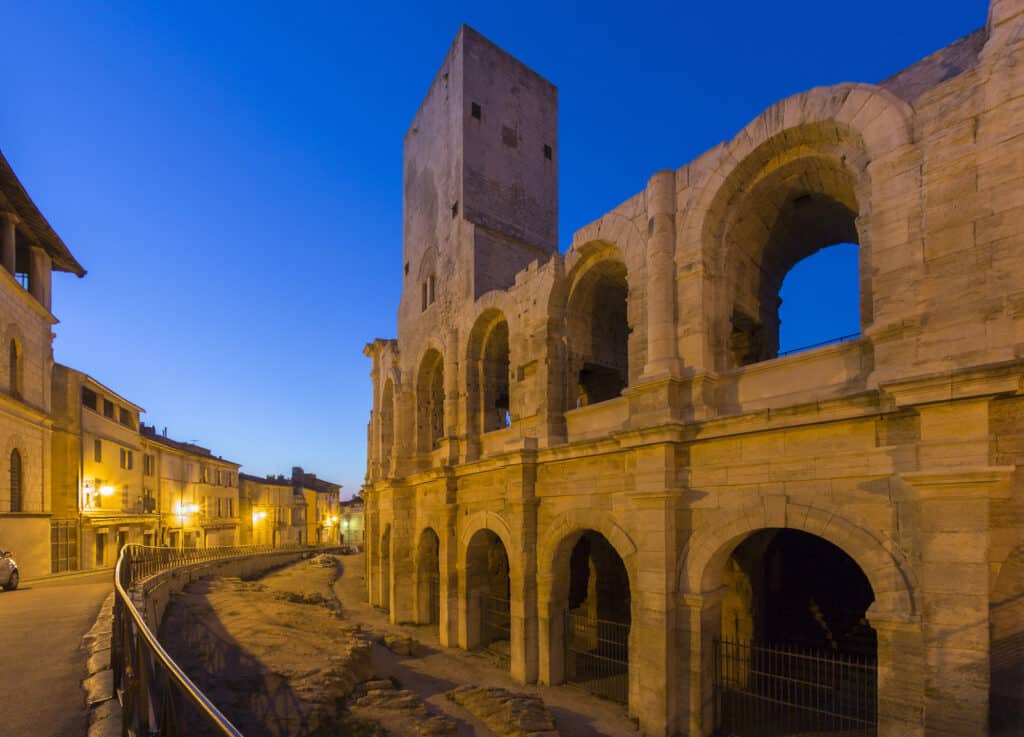
Remnants of the old Roman city can be found throughout Paris, serving as silent witnesses to its ancient history. Among the most prominent sites is the Arènes de Lutèce, the awe-inspiring ruins of a Roman amphitheater. Let your imagination roam as you stand amidst its weathered stone walls, picturing the spectacles and excitement that once filled this grand arena.
As we wander further, we encounter the bathhouses, or “thermae,” which formed an integral part of Roman community life. These communal bathing complexes provided a space for relaxation, socializing, and even political discussions. Close your eyes and envision the Roman citizens soaking in the warm waters, their voices echoing through these long-lost chambers.
Another fascinating site to explore is the Musée de Cluny, which houses a collection of Gallo-Roman artifacts. Marvel at the intricate mosaics, ornate statues, and delicate pottery, all remnants of the people who once inhabited this ancient city. Transport yourself back to the time of togas and chariots as you delve into the artifacts that bridge the gap between past and present.
No exploration of Lutetia would be complete without a visit to the Roman thermal baths under the Hôtel de Cluny. Step into the dimly lit underground chambers and imagine the steam rising, the echoes of chatter, and the laughter that would have filled these spaces centuries ago.
As we marvel at these incredible vestiges, it becomes clear that beneath the modern façade of Paris lies a rich tapestry of history, waiting to be discovered. Join us as we embark on this captivating journey through time, unearthing the ancient Roman city of Lutetia and delving into the foundations that shaped the Paris we know today.
Traversing Time: Unveiling the Majestic Roman Amphitheater of France
Step back in time and explore the grandeur of France’s ancient history as we unveil the majestic Roman Amphitheater nestled within the heart of the country. This remarkable archaeological site takes us on a captivating journey through the past, offering a glimpse into the thriving Roman civilization that once flourished in this region.
As we enter the amphitheater’s archaeological park, the remnants of this ancient structure stand tall, reminding us of a bygone era. The sheer scale of the amphitheater leaves us awestruck, as we try to comprehend the breathtaking spectacles that unfolded within these walls. It becomes apparent that this site held great significance in the daily lives of the Roman inhabitants, serving as a hub for entertainment, gatherings, and cultural events.
Amidst the ruins, we can still discern the seating tiers, once filled with eager spectators, eagerly anticipating the gladiatorial contests and other spectacles hosted here. The curved corridors and entrances speak of a sophisticated architectural design, the product of Roman engineering brilliance.
Imagining the atmosphere that once engulfed this amphitheater, we can almost hear the roars of the crowds, the clash of weapons, and the adrenaline-fueled excitement of the ancient Romans. The amphitheater was a cornerstone of their society, symbolizing their power, culture, and love for entertainment.
Exploring further, we encounter the remnants of the underground chambers that supported the events above. These labyrinthine passages housed prisoners, animals, and the intricate mechanisms that made the performances possible, further deepening our understanding of Roman ingenuity.
Standing on the same grounds that witnessed countless scenes of glory and tragedy, it is impossible not to reflect upon the significance of this site. The amphitheater served as a symbol of Roman dominance, an architectural testament to their conquests and accomplishments. Today, it stands as a reminder of the rich tapestry of history woven within the fabric of France.
As we leave the amphitheater, we cannot help but feel connected to the past, appreciating the beauty, complexity, and grandeur of the Roman civilization that once thrived in this very place. Traversing time within these ancient ruins has been an enlightening experience, inviting us to immerse ourselves in the incredible legacy left behind by those who came before us.
Medieval Marvels: Discovering the Mysteries of Notre-Dame’s Ancient Crypts
Steeped in history and shrouded in secrets, the ancient crypts beneath the iconic Notre-Dame Cathedral hold an enigmatic allure. As visitors descend into this subterranean world, they are transported back in time, unraveling the mysteries of Paris’s medieval past.
The dimly lit passageways reveal the architectural marvels of Notre-Dame’s foundations, serving as a testament to the skilled craftsmanship of the medieval era. Stone pillars, arches, and vaults create an atmosphere of grandeur and mystique, hinting at the rituals and legends that unfolded within these very walls.
Exploring the crypts allows one to delve into the religious significance of the cathedral. Dedicated to Saint Stephen, the patron saint of the ancient Parisian trade guilds, the crypts served as a place of worship and pilgrimage, attracting devoted followers seeking solace and spiritual connection.
Moreover, the crypts reveal fascinating archaeological discoveries, including remnants of ancient structures that once stood on the site before the construction of the Notre-Dame we know today. These vestiges provide a glimpse into the city’s evolution, before Paris transformed into the bustling metropolis we see now.
One of the highlights of the crypts is the tomb of Maurice de Sully, the bishop who launched the construction of Notre-Dame in the 12th century. This sacred resting place is a testament to the vision and dedication that went into the creation of one of the most renowned Gothic cathedrals in the world.
As visitors traverse the stone corridors, they encounter sepulchers and tombs, each with its own story to tell. The crypts house the remains of prominent figures, including bishops and archbishops, whose lives were intertwined with the cathedral’s rich history.
The aura of tranquility within the crypts invites contemplation and reflection. This hidden space beneath the bustling streets of Paris provides a momentary escape from the outside world, offering a profound connection to the past and an appreciation for the enduring beauty of Notre-Dame.
Unveiling the mysteries of Notre-Dame’s ancient crypts is an opportunity to witness the tangible remnants of the medieval era. It is a journey that transports us back in time, allowing us to marvel at the architectural wonders and profound spirituality that shaped Paris’s iconic cathedral.
Reliving the Revolution: A Journey through the Revolutionary Bastille
Step into the tumultuous history of the French Revolution as you embark on a captivating journey through the remnants of the legendary Bastille. This symbol of oppression turned icon of liberty holds tales that resonate with the spirit of a nation seeking freedom.
As you enter the grounds, the massive stone walls stand as silent witnesses to the momentous events that unfolded within these prison walls. It was here, on that fateful day of July 14, 1789, that a determined crowd stormed the Bastille, marking the beginning of the French Revolution.
Exploring the ruins provides a glimpse into the harsh living conditions endured by the prisoners during the reign of the Ancien Régime. Within these cells, you can visualize the struggles and resilience of those unjustly held captive, while listening to their stories echoing through the walls of history.
The interactive exhibits transport you back in time, offering a multimedia experience that vividly recreates the atmosphere of the revolution. From the prison yard to the governor’s apartment, every corner unveils a piece of the past, rekindling the revolutionary fervor that once engulfed the nation.
One of the most poignant stops along the journey is the recreated cell of the legendary prisoner François Pujolas. Walking through these confined spaces, you can almost feel the weight of his confinement and the courage that he, and many others, embodied in their fight against tyranny.
Immerse yourself in the revolutionary spirit by exploring the extensive displays of artifacts, manuscripts, and artwork that tell the gripping story of those who fought for justice. From the flags of various revolutionary factions to the original key of the Bastille, these tangible remnants offer a tangible connection to the past.
The visit to the Revolutionary Bastille concludes with a visit to the memorial honoring the lives lost during the revolution. This solemn space invites reflection on the sacrifices made and the ideals that continue to shape the nation today.
As you leave the Revolutionary Bastille, you carry with you a profound appreciation for the courage and resilience of those who dared to challenge the status quo. Their struggle serves as a reminder that the fight for freedom and equality is an ongoing journey, one that every generation must undertake.
Secrets beneath the Streets: Descending into the Mysterious Catacombs of Paris
Hidden deep beneath the bustling streets of Paris lie the enigmatic catacombs, a labyrinth of underground tunnels that holds a fascinating and eerie history. These catacombs, initially quarries for limestone used in the construction of the city, evolved into a macabre repository for the remains of approximately six million Parisians.
Descending into the catacombs means embarking on a journey through time, as you traverse dimly lit passageways that wind their way through the ancient quarries. Step by step, you’ll discover countless human bones arranged intricately along the walls, creating an almost haunting display. It is a chilling testament to Paris’s unique approach to preserving its past.
As you weave through the narrow passages, you’ll encounter several areas of interest, including the Port-Mahon corridor, adorned with walls made of carefully stacked bones, and the famous Ossuary, a grand chamber that greets visitors with the inscription “Stop! This is the Empire of Death.” The eerie silence and somber atmosphere are as captivating as they are unsettling.
Although the catacombs are both intriguing and mysterious, it is worth noting that only a small section is accessible to visitors. This limited area provides a glimpse into the vast underground network of tunnels that stretches for more than 300 kilometers beneath the city. The sheer scale and complexity of the catacombs are awe-inspiring, leaving visitors with a sense of wonder at the hidden depths of Paris.
While exploring the catacombs, it becomes evident that these underground passageways were in themselves a crucial part of the city’s history. They served as a refuge during times of war, a clandestine meeting place for various groups, and even a canvas for artistic expression. The catacombs inherently embody the layers of Parisian history, revealing stories of both life and death that have shaped the city over the centuries.
Visiting the catacombs is an unforgettable experience, allowing you to immerse yourself in the hidden underbelly of Paris. It serves as a reminder that beneath the vibrant streets and iconic landmarks lies a world shrouded in mystery and intrigue, waiting to be discovered by those curious enough to venture below.
Architectural Testaments: Unmasking the Medieval Enigma of Saint-Denis Basilica
The Saint-Denis Basilica stands proudly as an architectural testament, unraveling the mysteries of the medieval era. Located in the northern suburbs of Paris, this imposing basilica holds historical significance as the burial site of numerous French monarchs. As you step inside, you are immediately transported back in time, surrounded by grandeur and an aura of sacredness.
The basilica’s exterior is a marvel to behold, adorned with intricate Gothic details. Its towering spires reach for the heavens, exuding a sense of awe and reverence. As you approach the entrance, the weight of history hangs in the air, hinting at the enigma waiting to be discovered within.
Once inside, the dimly lit interior reveals a stunning display of medieval craftsmanship. Stone columns rise gracefully, supporting the vaulted ceilings that seem to touch the heavens. Stained glass windows, adorned with vibrant hues, cast a kaleidoscope of light onto the worn stone floors. The silence within echoes with whispers of ancient tales and hidden secrets.
Exploring the nave, you can’t help but marvel at the stunning tombs and effigies of noble figures nestled within the chapels and transepts. These regal monuments pay homage to the kings and queens of the past, their stone visages forever immortalized in the annals of history. Each carving is a work of art, a testament to the skill and dedication of the medieval craftsmen.
As you descend into the crypt, the air becomes cooler, saturated with a sense of tranquility. Here, beneath the surface, lie the final resting places of the monarchs who once ruled over France. Tombs, adorned with royal insignia, stand as silent sentinels, bearing witness to the passage of time and the legacy of a bygone era.
The journey through the Saint-Denis Basilica is not only a visual delight but also a spiritual experience. It serves as a tangible link to the past, where the echoes of medieval piety and power come alive in every corner. The enigma of this sacred place beckons the curious traveler to explore further, to discover the architectural marvels and unravel the stories etched into its ancient walls.
In a world that moves relentlessly forward, the Saint-Denis Basilica stands as a reminder of our shared history and the enduring legacy of the medieval era. It invites us to step back in time, to appreciate the skill and artistry of the past, and to reflect on the significance of these architectural testaments.
Imperial Remnants: Exploring Napoleon’s Grand Temple of the Madeleine
As you wander through the bustling streets of Paris, the grandeur of the city’s architectural marvels captivates the senses. Among these magnificent structures is the awe-inspiring Madeleine, a grand temple that stands as a testament to the imperial aspirations of Napoleon Bonaparte.
The Madeleine, also known as the Church of Saint Mary Magdalene, is a neo-classical masterpiece that leaves visitors in awe of its grand façade. Designed by Pierre-Alexandre Vignon in the early 19th century, its imposing columns and magnificent pediment evoke a sense of timeless elegance.
Stepping inside, you’ll find yourself immersed in a sanctuary that seamlessly blends art, history, and religion. The interior of the Madeleine is adorned with stunning artworks, including intricate mosaics and ornate sculptures that narrate biblical tales.
One cannot help but feel the weight of history within these hallowed walls. Originally commissioned by Napoleon as a grand temple to honor the French army, the Madeleine was later repurposed as a Catholic church during the Bourbon Restoration. Today, it serves as a place of worship, cultural events, and a symbol of Parisian elegance.
As you explore further, take a moment to marvel at the mesmerizing musical performances held within the church. The Madeleine boasts a grand organ with over 3,500 pipes, providing a heavenly soundtrack to its majestic ambiance.
Make sure to wander around the exterior as well, where you’ll be greeted by the sight of the majestic Corinthian columns that envelop the entrance. The meticulous attention to detail in the carvings and reliefs on these columns is nothing short of extraordinary.
To truly appreciate the grandeur of the Madeleine, consider climbing to the rooftop, where panoramic views of Paris unfold before your eyes. From up high, you can marvel at the beauty of the surrounding city and the architectural wonders that have defined it through the centuries.
Whether you’re seeking solace in its tranquil interior, admiring the exquisite art, or simply marveling at its imposing structure from the outside, a visit to the Grand Temple of the Madeleine is an unforgettable experience. It stands as a remarkable architectural remnant of Napoleon’s reign and a testament to the rich history and cultural heritage of Paris.
Witnessing History: The Majestic Remains of the Ancient Louvre Castle
As you wander through the bustling streets of Paris, it’s easy to be captivated by the exquisite beauty and grandeur of the Louvre Museum. However, hidden beneath this iconic modern structure lies the captivating story of the ancient Louvre Castle, where centuries of history intertwine with architectural wonders.
The origins of the Louvre Castle can be traced back to the medieval era, when it was initially constructed as a fortress by King Philip II in the 12th century.
Over the years, the castle underwent numerous transformations under different monarchs, expanding and evolving in response to political and artistic aspirations. It served as a royal residence for several generations, witness to grand celebrations, lavish banquets, and complex power struggles that shaped the history of France.
One of the most remarkable features of the ancient Louvre Castle is the iconic Tuileries Palace, which was added during the Renaissance period. This stunning palace adorned the banks of the Seine with its elegant architecture and lavish gardens.
Despite its opulence, the Louvre Castle faced the devastating flames of conflict. In the midst of the French Revolution, the palace was set ablaze and reduced to ruins in 1871. Nevertheless, even in its dilapidated state, the remnants of the castle continue to embody the resilience and grandeur of France’s history.
Today, visitors can explore the archaeological site beneath the Louvre Museum to catch a glimpse of the fortress walls that have withstood the test of time. The ancient foundations and dungeons that lay hidden for centuries offer a tangible connection to the medieval origins of the castle.
As you navigate through the winding corridors and ruins, you can almost feel the echoes of the past reverberating through the stones. Stroll along the remnants of the medieval moat or marvel at the intricate stonework that has survived for centuries.
While the Louvre Museum may steal the spotlight, taking the time to explore the remains of the ancient Louvre Castle is a chance to immerse oneself in the history and the architectural wonders of the past. It is an opportunity to witness firsthand the resilience and enduring beauty of one of Paris’s most significant vestiges.
A Royal Abode: Unraveling the Stories within the Ruins of the Tuileries Palace
Amidst the heart of Paris lies the haunting remnants of the majestic Tuileries Palace, once a symbol of regal opulence and power. Built in the 16th century, this sprawling palace served as a royal residence for over three centuries, witnessing the rise and fall of French monarchs and the seismic shifts of history.
As you walk through the ruins of the Tuileries Palace, imagination takes flight, transporting you to a bygone era of grandeur and glory. The remnants of grand halls and elegant chambers echo with the whispers of past councils and lavish events that unfolded within these walls.
Marvel at the intricate architecture and ornate details that hint at the palace’s former splendor. Gaze upon the majestic façade, adorned with sculptures and reliefs, as you contemplate the stories etched into the stone, telling the tale of a tumultuous past.
Beyond the physical beauty, the Tuileries Palace holds a rich historical significance. From its construction under Catherine de’ Medici to its destruction during the Paris Commune, it bore witness to the rise and fall of kings, the tumultuous French Revolution, and the relentless march of time.
Take a moment to reflect on the role the Tuileries Palace played in shaping France’s destiny. It was within these walls that Louis XVI and Marie Antoinette were held captive during the revolution, before meeting their tragic fate. It was from here that Napoleon Bonaparte embarked on his campaigns, reshaping Europe’s political landscape.
As you wander through the remains of the palace gardens, envision the grand promenades and lavish festivities that once took place in these meticulously manicured grounds. Picture the splendor of courtly life, the whispers of intrigue, and the ever-present undercurrents of power that pulsed through the veins of this royal abode.
Despite the destruction inflicted upon the palace during the 19th century, its ruins remain as a testament to the enduring spirit of France and a lasting reminder of its rich cultural heritage. Today, as you explore the ruins, you become part of the story, connecting with the past and embracing the legacy left behind by those who once inhabited these hallowed halls.
In the presence of the Tuileries Palace ruins, you are immersed in a time long gone, where the echoes of royalty and the grandeur of a bygone era weave together an exquisite tapestry of history. Come, unravel its stories and be captivated by the allure of this royal abode.
From Prison to Symbol: Unveiling the Haunting Ruins of the Conciergerie
Once a formidable prison that held countless prisoners during the French Revolution, the Conciergerie now stands as a haunting symbol of a bygone era. Nestled on the Île de la Cité in the heart of Paris, this historic site offers a captivating glimpse into the lives of those imprisoned within its walls.
As you step into the ancient halls of the Conciergerie, a sense of solemnity envelops you. The dimly lit corridors and the imposing architecture serve as a poignant reminder of the prison’s grisly past. It is here that the infamous Marie Antoinette herself was confined before her tragic fate on the guillotine.
Exploring the prison’s chilling cells, you can almost hear the echoes of footsteps and whispers from the past. The small, damp chambers, with their sparse furnishings, provide a stark contrast to the grandeur of the palace that once stood adjacent to the prison walls.
One of the most striking features of the Conciergerie is the Revolutionary Tribunal Room, where prisoners faced their trials during the Reign of Terror. The room exudes a sense of history, with its high ceiling and worn wooden furniture, offering a glimpse into the judicial proceedings of the time.
Don’t miss the opportunity to visit the monumental Hall of the Guards, with its stunning rib vaulted ceiling and intricate Gothic architecture. This grand space once served as a meeting place for the kings and queens of France, before its transformation into a prison during the Revolution.
Descending into the depths of the Conciergerie, you’ll discover the somber atmosphere of the prison’s ancient chapel. Despite its current state of ruin, the remaining stone walls and arches convey the former beauty and spiritual significance of this space.
As you emerge from the depths of the chapel, take a moment to pause and reflect by the Seine River, which flows beside the Conciergerie. The view serves as a poignant reminder of the many prisoners who gazed out onto this very same river, yearning for their freedom.
The Conciergerie stands today as a powerful testament to the turbulent history of Paris and France. It serves as a tribute to those who suffered within its walls and a reminder of the enduring struggles for justice and freedom. A visit to the haunting ruins of the Conciergerie is an immersive experience that will transport you back in time and leave an indelible mark on your understanding of the past.
Conclusion
In conclusion, exploring the ancient ruins of Paris unveils a captivating journey through time. From the foundations of the Roman city of Lutetia to the haunting remnants of the Conciergerie, each site holds a fascinating story within its walls.
By traversing through the majestic Roman amphitheater and descending into the mysterious catacombs, visitors can witness firsthand the vestiges of Paris’s rich history. The medieval marvels of Notre-Dame’s ancient crypts and the architectural enigma of Saint-Denis Basilica offer a glimpse into the city’s religious and artistic past.
Reliving the revolution at the Bastille and unraveling the tales within the ruins of the Tuileries Palace provide insight into key moments in French history. The imperial remnants of Napoleon’s Grand Temple of the Madeleine and the ancient Louvre Castle showcase the grandeur of bygone eras.
One cannot help but be captivated by the secrets beneath the streets of Paris. Descending into the mysterious catacombs reveals a world shrouded in darkness, where the remains of millions rest in silent commemoration.
Lastly, the haunting ruins of the Conciergerie serve as a poignant symbol of the transition from prison to a historical landmark, reminding us of the turbulent times that shaped Paris’s past.
By exploring these ancient ruins, one can truly immerse themselves in the rich tapestry of Parisian history. The stories these sites tell, the mysteries they hold, and the emotions they evoke, all contribute to the allure of the City of Lights.
So, whether you are a history enthusiast, an architecture lover, or simply curious about the past, a tour of Paris’s ancient ruins is an unforgettable experience that will leave you in awe of the enduring power of history.


