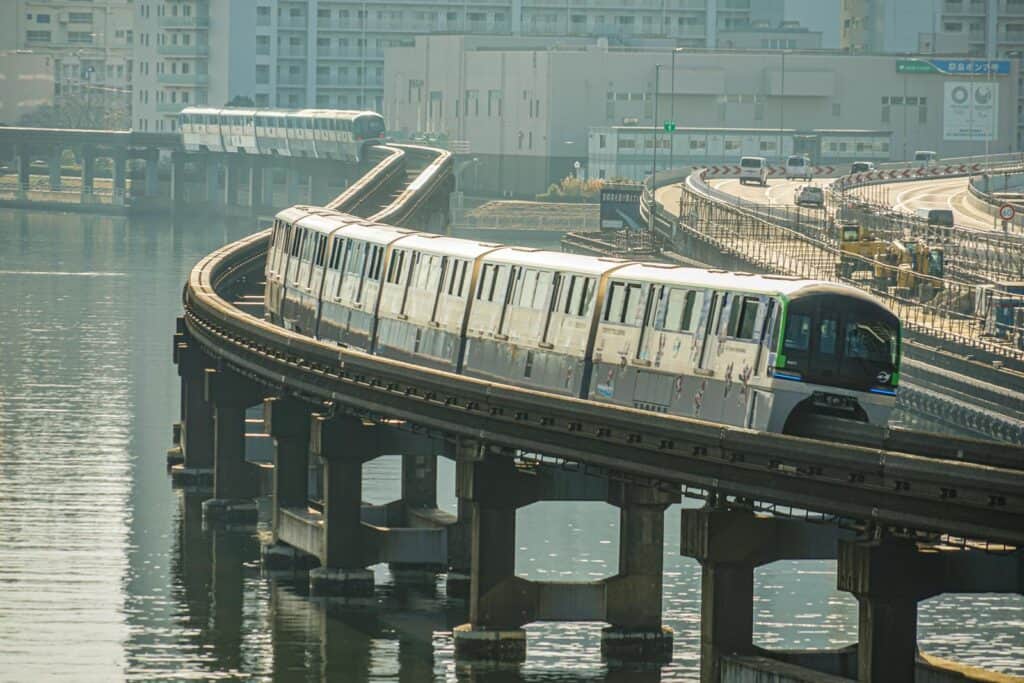
Welcome to our blog post on “Getting Around Tokyo: Transportation Tips and Tricks”! Navigating a bustling city like Tokyo can be quite the adventure, but with the right transportation know-how, you can make your exploration seamless and enjoyable. In this article, we will provide you with essential tips and tricks to help you conquer the city’s vast transportation network.
First and foremost, it’s crucial to understand Tokyo’s public transportation system, which is known for its efficiency and punctuality. Whether you’re planning to rely on the extensive subway network, train lines, buses, or trams, familiarizing yourself with the basics will be a game-changer for your travel experience.
The Tokyo Metro, an intricate network of subway lines, is a primary mode of transportation for both locals and tourists. We’ll delve into how to navigate this subway system, from purchasing tickets to understanding the color-coded lines and transfers, empowering you to confidently navigate Tokyo’s underground.
While the subway is incredibly convenient, Tokyo’s train lines also play a significant role in getting around the city. We’ll explore key train lines that connect major districts, enabling you to easily reach popular destinations like Shibuya, Shinjuku, and Akihabara.
But public transportation in Tokyo isn’t limited to trains and subways. We’ll also guide you through the bus and tram systems, providing insider tips on using these modes of transport to reach specific neighborhoods or off-the-beaten-path attractions.
If you prefer a more flexible and independent means of travel, we’ll highlight the convenience of using an IC card. These cards allow you to effortlessly pay for various forms of transportation, including trains, subways, buses, and even taxis, making it a stress-free option for your Tokyo adventures.
Getting Started: Understanding Tokyo’s Public Transportation System
As a bustling metropolis and one of the most populated cities in the world, Tokyo boasts a highly efficient and extensive public transportation system that connects every corner of the city. Navigating Tokyo’s transportation network may seem intimidating at first, but with a little understanding and some essential tips, you’ll be able to explore the city like a seasoned local.
At the core of Tokyo’s transportation system are the trains and subways, which offer the most convenient and fastest way to get around the city. The two major rail operators, Japan Railways (JR) and Tokyo Metro, provide an extensive network of lines that crisscross the city, making it easy to reach even the most remote neighborhoods.
One of the first things to familiarize yourself with is the train ticketing system. Tokyo’s trains operate on a distance-based fare system, which means that the cost of your journey is determined by the distance traveled. To enter and exit the train stations, you’ll need to purchase a ticket or use a reloadable IC card, such as Suica or Pasmo, which offer a more convenient way to pay for your rides.
In addition to trains, Tokyo is also well-served by buses, trams, and taxis. Buses are an excellent option for shorter distances or when you want to explore specific neighborhoods. Tokyo’s bus network can be extensive, with numerous routes and stops, so be sure to check the bus numbers and routes in advance. Trams, on the other hand, are limited to certain areas like Toden Arakawa Line, but they offer a nostalgic way to travel and enjoy the city’s scenery.
Taxis in Tokyo are readily available but can be quite expensive, especially during peak hours. They are best reserved for situations when convenient transportation is paramount or when traveling in a group. When taking a taxi, it’s crucial to provide the driver with your destination written in Japanese or show them the address on a map to avoid any miscommunication.
Understanding Tokyo’s public transportation system is crucial for navigating the city efficiently. Whether you’re planning to use the trains, buses, or taxis, knowing how the system works and being prepared with the necessary tickets or cards will make your journey much smoother. In the following sections, we will delve deeper into each mode of transportation, providing you with useful tips and tricks to make the most of your Tokyo adventure.
The Tokyo Metro: Your Ultimate Guide to Exploring the City
When it comes to getting around Tokyo efficiently and conveniently, the Tokyo Metro system is an absolute game-changer. Operating an extensive network of subway lines, it provides the perfect means of transportation for both locals and visitors alike.
With a well-designed and easy-to-navigate map, the Tokyo Metro makes it a breeze to explore all areas of the city. Whether you want to visit popular tourist spots like Shibuya or Asakusa, or venture off the beaten path to hidden gems, the metro system has got you covered.
As an added bonus, the Tokyo Metro is known for its punctuality and cleanliness. Trains arrive like clockwork, and stations are meticulously maintained. This reliability ensures that you can plan your itinerary with confidence, without worrying about delays or disruptions.
Before embarking on your Tokyo Metro adventure, it’s important to have some essential knowledge and tips. Firstly, consider purchasing a rechargeable IC card, such as Suica or Pasmo. These cards allow for seamless travel across multiple modes of transportation, including the Tokyo Metro.
As you navigate the Tokyo Metro, you’ll notice that each station has multiple exits. To make your journey more efficient, refer to the station maps that indicate the closest exit to your desired destination. This way, you can save valuable time and energy by avoiding unnecessary detours.
While riding the Tokyo Metro, be mindful of the etiquette expected by Japanese passengers. Avoid talking on your phone, eating, or engaging in loud conversations. Additionally, make sure to give up your seat to those in need, such as elderly or pregnant passengers.
During peak hours, the Tokyo Metro can get quite crowded, especially on major lines. If possible, try to avoid traveling during these times to ensure a more comfortable experience. Early mornings and late evenings are generally less congested.
Another useful tip is to familiarize yourself with some key Japanese phrases related to the Tokyo Metro. While there are ample signage and announcements in English, knowing basic words like “entrance,” “exit,” and “direction” can make a difference when seeking assistance or directions from station staff or fellow travelers.
The Tokyo Metro system operates until around midnight, so if you plan on staying out late, make sure to check the last train times to avoid being stranded. Alternatively, taxis are readily available but can be costly for long distances.
By following these tips and guidelines, you’ll be well-equipped to navigate the Tokyo Metro system like a pro. So grab your metro map, charge your IC card, and get ready to explore all that this incredible city has to offer!
Unraveling the Web of Tokyo’s Train Lines: Key Lines to Know
Navigating Tokyo’s extensive train network can initially seem overwhelming, but with a basic understanding of the key train lines, you’ll be able to explore the city with ease. From the iconic Yamanote Line to the efficient Chuo Line, each line offers its own unique benefits and access to different areas of Tokyo.
The Yamanote Line, often referred to as the city’s lifeline, encircles central Tokyo and stops at major hubs like Tokyo, Shibuya, and Shinjuku. This convenient loop line connects you to popular neighborhoods, shopping districts, and tourist attractions. Consider getting a Suica or Pasmo card to smoothly hop on and off this line.
The Chuo Line provides a direct route between the western and eastern parts of Tokyo. It connects Tokyo Station to Shinjuku, offering access to areas like Akihabara, Nakano, and Kichijoji along the way. Whether you’re looking to explore electronics stores or experience the charm of Nakano Broadway, the Chuo Line is a great choice.
If you want to venture to Tokyo Disneyland or Tokyo DisneySea, the Keiyo Line is your go-to. This line connects central Tokyo to Maihama Station, the gateway to the magical world of Disney. Enjoy a seamless journey to experience the enchantment and excitement of these theme parks.
For those seeking a taste of old Tokyo and traditional charm, the Asakusa Line is perfect. This line takes you to the historic Asakusa district, home to the iconic Senso-ji Temple. Immerse yourself in the atmosphere of the past as you stroll through Nakamise Shopping Street and witness the vibrant Senso-ji complex.
The Ginza Line, Tokyo’s oldest subway line, runs through the upscale Ginza shopping district and intersects with major transit hubs. Whether you’re in search of high-end fashion, must-try restaurants, or renowned Kabuki theaters, the Ginza Line provides easy access to the heart of Tokyo’s elegance and culture.
Not to be overlooked is the Tozai Line, which connects eastern and western Tokyo. It intersects with major stations such as Otemachi and Nihombashi, offering convenient access to the Imperial Palace, the vibrant Akihabara district, and the bustling shopping streets of Ginza.
Other key lines include the Hibiya Line, which runs through popular areas like Roppongi and Ueno; the Marunouchi Line, which connects Tokyo Station to Shinjuku; and the Oedo Line, offering access to various districts such as Roppongi, Shinjuku, and Shibuya.
By familiarizing yourself with these key train lines, you’ll be equipped to explore Tokyo’s diverse neighborhoods, attractions, and hidden gems. Keep in mind that Tokyo’s train system is efficient, reliable, and well-connected, making it the ideal way to get around this vibrant metropolis.
Beyond the Trains: Exploring Tokyo by Bus and Tram
While Tokyo’s efficient train system is often the preferred mode of transport for visitors, exploring the city by bus and tram offers a unique perspective and a chance to discover hidden gems. The city’s extensive bus network and nostalgic tram lines provide convenient and scenic alternatives to get around Tokyo.
One of the advantages of using buses in Tokyo is the flexibility they offer in reaching destinations not well-served by trains. Buses operate throughout the city, including popular tourist areas, and can take you directly to specific neighborhoods or attractions that may be more challenging to reach by train.
Another option for exploring Tokyo is to hop on one of the city’s iconic trams. While they may not be as fast as trains, trams allow you to leisurely experience the charm of the city streets. Tram routes like the Toden Arakawa Line take you through traditional neighborhoods, offering a glimpse into Tokyo’s rich cultural heritage.
When using buses and trams in Tokyo, it is important to familiarize yourself with the various routes and schedules. Tokyo’s bus system can be complex, but there are helpful resources available, including route maps, timetables, and smartphone apps that provide real-time information.
For those who prefer a more structured approach to sightseeing, several companies offer convenient hop-on-hop-off bus tours that cover popular tourist spots in Tokyo. These tours allow visitors to explore the city at their own pace, with the freedom to disembark and explore locations of interest.
In addition to convenience, buses and trams in Tokyo can also be a more scenic way to travel. As you ride along, you can admire panoramic views of the city, including its iconic landmarks, bustling streets, and picturesque neighborhoods. The slower pace of these modes of transport allows you to take in the sights and capture memorable photographs.
While not as prevalent as trains, using buses and trams in Tokyo can be an enriching experience, enabling you to explore the city from a different perspective. Whether it’s venturing into lesser-known neighborhoods, enjoying a leisurely ride, or capturing unique photos, these alternative modes of transport offer a delightful way to discover Tokyo’s diverse and vibrant character.
So, consider including buses and trams in your Tokyo itinerary to enhance your exploration and make lasting memories of this fascinating city.
Navigating Tokyo Like a Pro: Essential Transportation Tips for Visitors
Welcome to Tokyo, an exhilarating city known for its bustling streets, cutting-edge technology, and vibrant culture. As you embark on your journey through this metropolis, mastering its transportation system is fundamental to ensure a seamless and enjoyable experience. With its vast network of trains, buses, and other modes of transport, Tokyo offers numerous options for getting around. Whether you’re a first-time visitor or a seasoned traveler, these essential transportation tips will help you navigate Tokyo like a pro.
One of the first things you’ll encounter is Tokyo’s extensive public transportation system. From subways to buses, the city has a well-connected network that reaches every corner. The Tokyo Metro, consisting of 13 lines, serves as the backbone of the city’s transportation system. It’s incredibly efficient and reliable, allowing you to reach your destination swiftly.
Before embarking on your Tokyo adventure, it’s crucial to familiarize yourself with the different train lines. From the iconic Yamanote Line, which circles the city’s major attractions, to the Chuo Line that connects Tokyo with neighboring cities, each line has its own unique characteristics. Take some time to study the route maps and identify the key lines that will facilitate your explorations.
In addition to trains, Tokyo’s buses and trams offer alternative means of transportation. Buses are particularly convenient for reaching destinations not directly accessible by train. Although navigating the bus routes may appear daunting at first, studying the bus timetables and maps will make your journey more manageable. Trams, on the other hand, provide a nostalgic and scenic way to explore certain areas of the city, like the charming neighborhoods of Toden Arakawa Line.
Efficiency and convenience go hand in hand when traveling in Tokyo. Consider obtaining an IC card, such as Suica or Pasmo, which allows you to seamlessly access trains, buses, and even make purchases at select shops and vending machines. These rechargeable cards save you from the hassle of purchasing individual tickets for each ride, making your travel experience much smoother.
As you plan your daily activities, timing is essential to avoid Tokyo’s notorious rush hour. The morning and evening peaks can be incredibly crowded, making it challenging to navigate through the bustling stations and train cars. If possible, plan your sightseeing around these hours or choose less congested modes of transportation, such as cycling or walking, to truly experience the city at a more relaxed pace.
Speaking of cycling, Tokyo offers an increasingly bike-friendly environment, with dedicated paths and rental services available throughout the city. Explore Tokyo on two wheels as you pedal your way through scenic routes, including the renowned Tokyo Bay Cycling Course or the beautiful paths along the Sumida River.
While trains and buses dominate Tokyo’s transportation scene, don’t overlook the city’s unique water transport options. Tokyo Bay cruises and water buses offer a refreshing perspective of the city, combining sightseeing with practical transportation. Enjoy breathtaking views of iconic landmarks like the Rainbow Bridge and the Tokyo Skytree as you glide along the city’s waterways.
To maximize your travel experience in Tokyo, consider combining different modes of transportation. For instance, take the train to a specific neighborhood, then explore it on foot or rent a bike to discover hidden gems that may not be easily accessible by public transport alone. This way, you can truly immerse yourself in the diverse aspects of Tokyo’s culture and heritage.
In conclusion, Tokyo’s transportation system may initially seem complex, but with a bit of planning and these essential tips, you’ll be navigating the city like a pro in no time. From mastering the trains and buses to embracing the flexibility of cycling and water transport, Tokyo offers an array of options for visitors to explore its captivating wonders. So, get ready to embark on an unforgettable journey through this vibrant metropolis and unlock the secrets of Tokyo’s transportation network!
Easy and Efficient: Using Tokyo’s IC Card for Seamless Travel
When it comes to traveling around Tokyo, having an IC card is a game-changer. These rechargeable smart cards, such as Suica or Pasmo, allow you to effortlessly pay for your transportation in the city.
The convenience of using an IC card is unmatched. Simply tap your card on the designated card reader when entering and exiting trains, buses, or even when making purchases at select stores. No need to worry about carrying exact change or purchasing separate tickets for each journey.
One of the major advantages of using an IC card is the interoperability between different transportation systems. Whether you’re hopping on a train, bus, or subway, your card is universally accepted, saving you time and effort in planning your travels within the city.
Another noteworthy feature of IC cards is their ability to be automatically recharged. By registering your card online or setting it up at a ticket machine, you can link your bank account or credit card for seamless automatic top-ups. This ensures that you never run out of credit during your time in Tokyo.
Using an IC card also provides other perks, such as potential discounts. Some cards offer exclusive deals or reduced fares for certain attractions, making it even more enticing to choose this convenient option.
Don’t worry about the language barrier either, as both Suica and Pasmo cards have English options available for easy navigation. The user-friendly design and clear instructions ensure that using an IC card is a hassle-free experience for travelers from all around the world.
Whether you’re in Tokyo for a few days or an extended period, investing in an IC card is undeniably a smart decision. With its time-saving convenience, interoperability, and potential discounts, you can explore the wonders of Tokyo without any transportation-related worries. So, be sure to get your IC card and embark on a seamless journey through the streets and attractions of this vibrant city.
Unconventional Options: Ferries and Water Transport in Tokyo
When it comes to exploring Tokyo, most people immediately think of the bustling train stations and crowded streets. However, there is an alternative way to navigate the city that offers a unique perspective – by utilizing the ferries and water transport systems available in Tokyo.
One of the most popular options is the Tokyo water buses, which provide scenic cruises along the city’s major waterways, such as the Sumida River. These boats offer a relaxing and picturesque way to travel, allowing you to enjoy stunning views of Tokyo’s iconic landmarks, including the Tokyo Skytree and the Asakusa district.
In addition to water buses, Tokyo also has a developed ferry network that connects various islands and waterfront areas. For example, you can take a ferry to Odaiba, a futuristic island with shopping malls, entertainment centers, and beautiful waterfront parks. The ferries not only provide a convenient mode of transportation but are also a delightful experience in themselves.
Traveling by ferry or water transport in Tokyo also offers an opportunity to escape the city’s hustle and bustle, as you can enjoy a serene and calm environment while gliding across the water. This can be a refreshing break from the typically crowded trains and bustling streets of Tokyo.
It’s worth noting that the Tokyo water buses and ferries are included in the city’s public transportation system, so if you have an IC card or a prepaid pass, you can easily use them without the need for separate tickets. This adds to the convenience and cost-effectiveness of these unconventional transportation options.
Whether you’re looking to explore the scenic waters of Tokyo, take a leisurely cruise, or simply want to try something different, the ferries and water transport in Tokyo provide an excellent alternative to the traditional modes of transportation. So, don’t be afraid to step off the beaten path and embark on a journey through Tokyo’s waterways.
Mastering the Art of Tokyo’s Rush Hour: Tips for Stress-Free Commuting
Navigating Tokyo’s rush hour can be an overwhelming experience for visitors and residents alike. However, with a few simple strategies, you can make your daily commute a much more pleasant and stress-free journey.
First and foremost, it’s important to plan your commute in advance. Check the train schedules and identify the peak hours to avoid the most crowded trains. If possible, adjust your schedule to travel during off-peak times, which are generally less congested and offer a more comfortable ride.
Another effective tactic is to familiarize yourself with alternative routes. Tokyo has an extensive network of train lines, and during rush hour, some lines may be more crowded than others. Research and identify alternative routes that may not be as congested, even if they require a transfer or a slightly longer journey.
To ensure a stress-free commute, consider using a mobile app or website that provides real-time information on train and subway congestion. These apps can help you plan your journey and alert you to any delays or disruptions, allowing you to make informed decisions and avoid particularly crowded areas.
When boarding the train, be mindful of your belongings. Keep your bags and personal items close to you to avoid occupying unnecessary space or causing inconvenience to other commuters. In crowded trains, it’s essential to be aware of your surroundings and practice good etiquette by not talking loudly on the phone or engaging in disruptive behavior.
In Tokyo’s rush hour, the train cars can become incredibly packed. To make your commute more comfortable, consider travelling in the women-only carriages, usually marked with pink signs. These carriages are designated for female passengers during specific hours and offer a more relaxed and spacious environment.
Finally, if you find yourself consistently commuting during peak hours, consider joining Tokyo’s “tsukin jigoku,” or standing-only commuter clubs. These clubs consist of regular commuters who have banded together to secure a designated spot on particularly crowded trains. By joining one of these groups, you can ensure you have a spot to stand without the need to constantly jostle for space.
By implementing these strategies, you can minimize the stress and discomfort typically associated with Tokyo’s rush hour. Plan your commute, utilize alternative routes, stay informed, practice good etiquette, and explore additional options like women-only carriages or commuter clubs. With these tips in mind, you’ll navigate Tokyo’s rush hour with ease, making your daily journey a more enjoyable experience.
Making the Most of Tokyo’s Transportation Network: Combining Modes for Efficient Sightseeing
When exploring Tokyo, it’s essential to make the most of its efficient transportation network to maximize your sightseeing experience. By combining various modes of transportation, you can navigate this vibrant city with ease, saving time and energy for exploring its many attractions.
One of the best ways to begin your Tokyo adventure is by utilizing the extensive subway and train network. The Tokyo Metro and JR lines connect almost every corner of the city, making it convenient to reach popular landmarks like the Tokyo Tower, Shibuya Crossing, and the Imperial Palace.
However, don’t limit yourself to just the trains. Tokyo’s buses are also a great way to get around, offering scenic routes and access to areas that may not be easily reached by train. Consider using the convenient bus services, especially if you have specific destinations in mind that are not well served by the train network.
In addition to trains and buses, renting a bicycle is another fantastic option for efficient sightseeing in Tokyo. The city has an extensive network of cycling paths, allowing you to explore at your own pace and discover hidden gems that may be off the beaten path. Some cycling rental shops even offer guided tours, providing you with expert knowledge and insider tips about the city.
For a unique perspective, consider taking advantage of Tokyo’s water transport options. Tokyo Bay and the Sumida River offer opportunities for scenic boat rides, providing breathtaking views of the city’s skyline and iconic landmarks. Whether you hop on a regular river cruise or opt for a water bus, this mode of transportation adds a memorable touch to your sightseeing journey.
When planning your Tokyo itinerary, consider combining different modes of transport for increased efficiency. For instance, you can take the subway to a specific area, rent a bike to explore nearby neighborhoods, and then take a river cruise back to your starting point.
By combining various modes of transportation, you can optimize your time, experience different aspects of Tokyo, and enjoy a more well-rounded sightseeing adventure. Be sure to plan ahead, make use of transportation passes or IC cards for seamless transfers, and embark on a memorable journey through the vibrant streets of Tokyo.
Exploring Tokyo on Two Wheels: Cycling Around the City
Discovering Tokyo on a bicycle is not only a unique experience but also offers a refreshing perspective of the city. With its well-planned bike paths and bike-friendly culture, cycling has become an increasingly popular mode of transportation for locals and visitors alike. Whether you are an avid cyclist or just looking for an alternative way to explore the city, here are some essential tips for cycling around Tokyo.
First and foremost, familiarize yourself with Tokyo’s cycling regulations. Cyclists are required to ride on the left side of the road and follow traffic signals. It’s important to be aware of pedestrian areas and walk your bike when necessary. Additionally, wearing a helmet is not mandatory by law, but it is highly recommended for your safety.
When it comes to renting a bike, Tokyo offers numerous options. You can find bike rental shops near major train stations or take advantage of the city’s bike-sharing services. Most rental shops require a valid identification document and may charge an hourly or daily fee. Consider choosing a bike with gears and a comfortable saddle to ensure a smooth and enjoyable ride.
Planning your cycling route in advance is essential to make the most of your time in Tokyo. Utilize maps, smartphone applications, or even join guided bike tours to discover the city’s hidden gems and famous landmarks. Tokyo boasts a well-developed network of cycling paths that connect various neighborhoods and parks, making it easy to navigate around the city.
While cycling, it is crucial to prioritize safety. Be attentive to your surroundings, especially during busy hours, and respect the pedestrians and other cyclists sharing the road. Stay visible by wearing brightly colored clothing and using lights on your bike, especially when riding at night.
One of the advantages of exploring Tokyo by bike is the accessibility to parks and green spaces. Take advantage of Tokyo’s beautiful parks, such as Yoyogi Park or Shinjuku Gyoen, where you can enjoy a tranquil escape from the bustling city. These parks often offer dedicated cycling paths, allowing you to pedal through scenic landscapes.
Lastly, don’t forget to fully immerse yourself in the local culture and enjoy the journey. Take breaks at charming street-side cafes, indulge in delicious street food, or visit local shops along your cycling route. Cycling around Tokyo offers a unique perspective that allows you to discover the city’s vibrant neighborhoods and hidden treasures.
In conclusion, exploring Tokyo on two wheels is an exhilarating way to experience the city’s wonders. By following the rules, planning your route, and prioritizing safety, you can effortlessly navigate Tokyo’s streets and enjoy an unforgettable cycling adventure.
Conclusion
Exploring Tokyo’s vast transportation network can be a daunting task for visitors, but with these essential tips and tricks, you’ll be navigating the city like a pro in no time. Understanding the public transportation system is crucial, and with a little research and preparation, you can easily get started on your Tokyo adventure.
The Tokyo Metro is a reliable and efficient way to get around the city, offering convenient access to the major attractions and neighborhoods. Familiarizing yourself with the key metro lines will greatly simplify your travels and help you make the most of your time in Tokyo.
While trains are the backbone of Tokyo’s transportation system, don’t forget about the options beyond the rail. Exploring the city by bus and tram can provide a unique and different perspective, allowing you to discover hidden gems and charming neighborhoods that may be off the beaten path.
For seamless travel, using an IC card is highly recommended. These prepaid cards are accepted on most modes of transportation in Tokyo and eliminate the need for separate tickets. Simply tap your card, and you’re good to go, making your journey hassle-free.
Mastering the art of commuting during rush hour in Tokyo can be challenging, but with a few tips, you can navigate the crowds and make your commute a stress-free experience. Planning your travel outside peak hours or opting for less crowded routes can help you avoid the busiest times.
If you’re feeling adventurous, exploring Tokyo on two wheels is a fantastic option. Cycling around the city allows you to witness its vibrant energy up close and personal, and with the city’s extensive cycling infrastructure, you can easily venture to popular attractions, parks, and local neighborhoods.
For a unique and scenic experience, consider the unconventional options of ferries and water transport in Tokyo. Enjoy breathtaking views of the city skyline as you cruise along the Sumida River or visit the man-made island of Odaiba, providing an alternative way to discover Tokyo’s beauty.
Lastly, to make the most of Tokyo’s transportation network, don’t be afraid to combine different modes for efficient sightseeing. By utilizing a mix of trains, buses, trams, and other options, you can maximize your time and easily explore the different facets of this vibrant metropolis.
With these transportation tips and tricks at your disposal, you can confidently navigate Tokyo’s bustling streets and immerse yourself in the wonders it has to offer. So, grab your map, get your IC card ready, and embark on an unforgettable adventure through this captivating city.


